
Last updated November 18, 2026

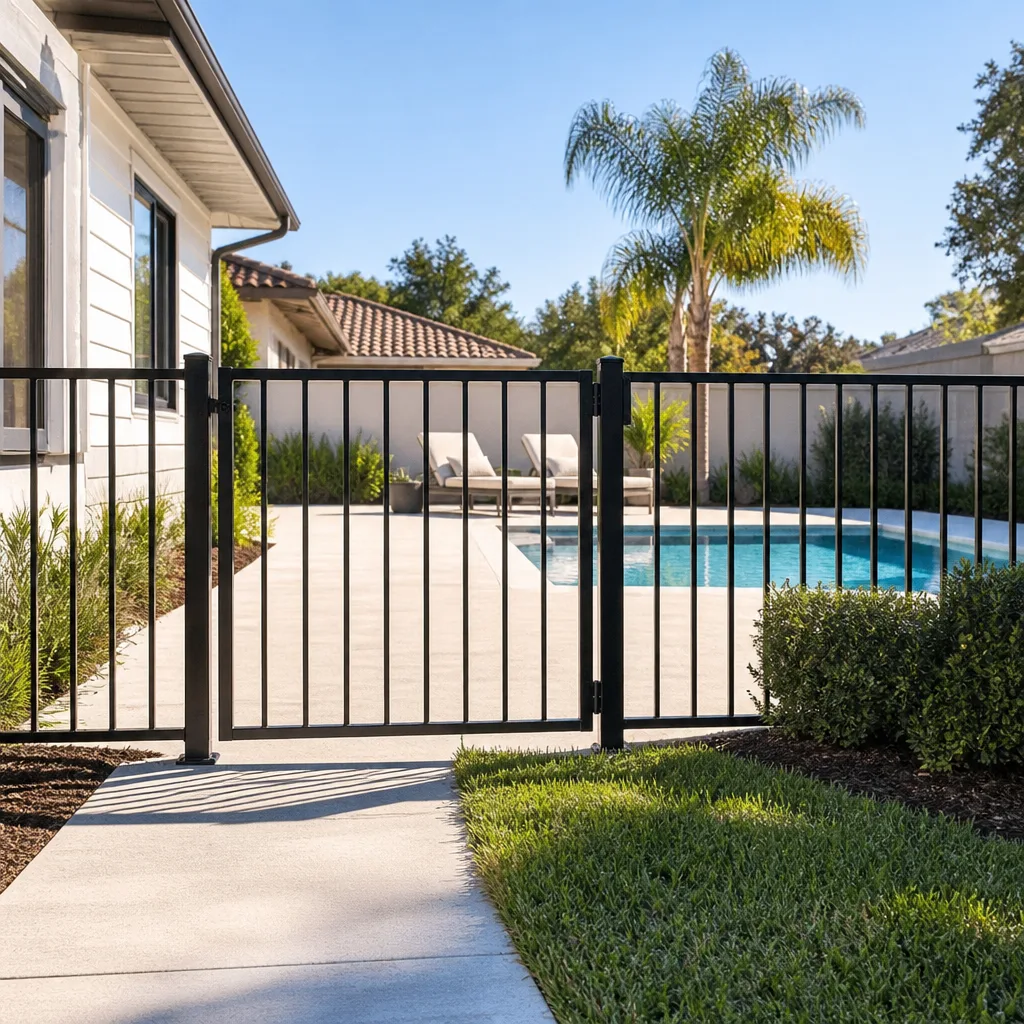






Free written scope consultation - allowances, timeline, and change-order rules on paper before a single trade is scheduled
Construction Emergency Preparedness Guide for Whitney Homes
When a Whitney home’s stucco exterior develops a sudden, wide horizontal crack during July, most homeowners assume it’s heat-related movement and wait for cooler weather to look at it. That assumption is the problem. A horizontal crack running along a mortar joint is one of the few crack patterns that can point to active wall stress, and the window to act on it is shorter than most people realize. This guide is about the emergencies that actually show up in Whitney homes, season by season, and exactly how to recognize, document and respond to each one before a repair turns into a replacement.
Quick Answer
Construction emergencies in Whitney fall into four predictable types tied to the calendar: monsoon drainage failures in summer, heat-driven structural crack escalation from June through September, freeze-burst plumbing and stucco damage in January, and roof or stucco damage after high-wind events. Your response matters more than the event itself. Document the damage before you touch anything, take safe temporary steps only, and know which problems need a same-day structural assessment versus which can wait 48 hours for a scheduled estimate.
Styles & brands we work with
- Kitchen remodeling
- Bathroom remodeling
- Home additions & ADU
- Roofing
- Windows & doors
- Driveway & pavers
- Fence
Table of Contents
- Why Whitney Emergencies Follow a Seasonal Pattern
- Monsoon Drainage Failure: The Summer Water Problem
- Summer Structural Crack Escalation
- Freeze-Burst Scenarios in January
- Post-Wind Roof and Stucco Assessment
- The Documentation Protocol That Speeds Up Everything
- Triage: Same-Day Response vs. 48-Hour Window
- Clark County Permits and Disclosure After Emergency Repairs
Why Whitney Emergencies Follow a Seasonal Pattern
Whitney sits in a high desert valley, and that geography drives almost everything about how homes here fail. The soil moves with moisture. Summer monsoon storms drop a season’s worth of rain in an hour and overwhelm drainage that was never sized for it. July and August heat bakes the west and south elevations of a house all afternoon, and stucco, wood framing and concrete all expand at different rates. Then January arrives with overnight freezes that catch plumbing and exterior assemblies that spent the rest of the year warm.
That rhythm is useful because it’s predictable. If you know what month it is, you know what kind of emergency is most likely to hit your home. That means you can prepare for it instead of reacting to it. Most of the Whitney homeowners we work with who come through a storm with a small repair instead of a major one had one thing in common: they knew what to check and when to check it.
The neighborhoods matter too. Homes on sloped lots at the base of the surrounding hills see concentrated runoff that flat-lot homes never get. Older properties with mature landscaping have root systems that have had decades to find the weak points in a fence line, a paver driveway or a patio edge. Newer construction in Whitney tends to have tighter, less mature drainage systems that can fail suddenly under their first real monsoon test.
Monsoon Drainage Failure: The Summer Water Problem
Monsoon season in Whitney runs roughly from late June through September, and the storm pattern is distinctive. A single afternoon cell can drop an inch or more of rain in less than an hour, and the ground has been baked hard and dry for weeks, so it sheds water instead of absorbing it. That water finds the lowest point, and if your property grading doesn’t direct it away from the house, it will come in.
The most common places water wins during a Whitney monsoon:
- Paver driveways and patios where the base material has settled and created a low spot that pools against the garage door or patio wall.
- Fence lines where soil has eroded out from under the post footings, leaving posts loose and creating a channel for runoff.
- Roof edges and transitions where water sheets off a steep pitch and lands directly against a wall instead of into the landscape or a drainage path.
- Window and door frames where weatherstripping and caulk have aged and the water finds a horizontal seam during wind-driven rain.
If a storm is in the forecast, the smart preparation is boring and effective. Clear your gutters and downspout outlets. Make sure the soil line slopes away from the foundation on all sides. Walk your property and look for the low spots where water would naturally pool after a storm. If your paver hardscape already has settled sections, that’s a job for a proper driveway & pavers assessment before the season, not after the water is already in the garage.
Summer Structural Crack Escalation
Not all cracks are emergencies. Hairline cracks in stucco are common in a desert climate and usually cosmetic. But there are patterns that should make you pick up the phone, and heat is one of the things that accelerates them.
Here’s how to read what you’re looking at:
- Vertical or diagonal hairline cracks under a quarter inch wide are usually stucco shrinkage and normal seasonal movement. Note them, photograph them, watch them.
- Stair-step cracks in masonry that follow the mortar joints can indicate foundation or soil movement and deserve a professional look.
- Horizontal cracks along a mortar joint are the most serious pattern. They can point to active wall stress, and they tend to widen as the heated side of a home expands and the shaded side doesn’t.
- Any crack through a structural element like a beam or a load-bearing wall should be assessed the same day.
In Whitney, west- and south-facing walls take the brunt of the summer sun, and that temperature differential is real. If you see a horizontal crack that’s wider at one end than the other, or one that has grown visibly since the last time you looked, don’t wait for autumn. That’s the pattern where a swift structural assessment is worth making.
The same principle applies to fences, which take a beating in this climate. A concrete or masonry wall that has a horizontal crack needs the same attention, and a fence line that has begun to lean after a season is a sign its footings are moving. A fence installation professional can tell you quickly whether the fence is settling normally or whether it needs to be reset.
Freeze-Burst Scenarios in January
Whitney’s winters are mild by most standards, but overnight freezes are common in January, and that’s exactly what catches homeowners off guard. The danger isn’t deep cold. It’s a hard freeze that hits plumbing or exterior assemblies that have been warm for the rest of the year.
The most likely freeze-burst targets in a Whitney home:
- Exterior hose bibs and irrigation lines that weren’t drained before the first freeze.
- Plumbing in exterior walls, especially on north-facing walls with poor insulation.
- Water heaters in the garage or in an uninsulated exterior closet.
- Exterior stucco and paint, where a freeze can open up a small crack into a wider one overnight.
The preparation is simple: before the first cold night, disconnect hoses, drain and shut off the irrigation system, and make sure any exposed pipe is wrapped or insulated. If a pipe does burst, shut off your main water supply immediately, and don’t try to solder or patch a burst section yourself. The visible repair is one thing. The water that has soaked into a wall cavity behind the plumbing is another, and that’s where a small leak becomes a mold and structural problem.
The stucco point is worth its own mention. A freeze after a summer of sun creates real thermal stress on exterior walls, and if you noticed a small crack in the fall, January is when it may open up. If the crack reaches an inch or more, or if it’s accompanied by any interior sign of water or movement, that’s a same-week call, not a spring project.
Post-Wind Roof and Stucco Assessment
High wind events in Whitney, whether part of a monsoon system or a spring gust front, do damage that isn’t always obvious from the ground. The two most common wind-related problems we see are lifted or missing shingles on a roof and stucco or siding damage to the windward side of a home.
Wind damage decisions come down to a few key questions:
- Can you see missing or lifted shingles? Any exposed decking or underlayment is an active water threat and needs to be addressed before the next rain, not weeks later.
- Is there debris on the roof? Small branches and other material can hide damage beneath them. If wind has dropped anything on the roof, have it assessed.
- Has the stucco cracked or separated? Wind-driven stucco failures often appear along corners, seams or wherever the wall meets the roofline.
- Are the windows and doors watertight? Wind can drive rain into seams around windows and doors that are otherwise fine in a normal rain.
Roofing is one of those areas where a fast assessment is genuinely worth it. A roofing professional can tell within a minute whether you’re looking at a patch or a full replacement. Your roofing material matters here too: the difference in wind performance between roofing systems installed by manufacturers like GAF, CertainTeed and Owens Corning is significant, and a proper installation by a qualified contractor is what keeps any of them weather-tight. If a storm has exposed a section of your roof, call the same day. A qualified roofing professional can tarp the affected area as a temporary measure and give you a real assessment once the weather clears.
The Documentation Protocol That Speeds Up Everything
If there’s one step in this guide that saves Whitney homeowners the most time, money and stress, it’s this one. When a construction emergency hits, the natural instinct is to rush in and start cleaning up. That instinct is wrong. Document everything first, and document it thoroughly. A good photo set and a written record make the contractor’s assessment faster, make an insurance claim stronger, and protect you if anyone questions what the damage looked like before repairs.
Here’s what to capture, in order:
- Overall shots of each affected area from a few feet back, before you move anything.
- Close-up shots of the damage itself, with something in the frame for scale (a coin, a ruler, a pen).
- Photos of the wider context: the wall around the crack, the roof slope around the damaged area, the ground around the fence post, the floor around the window.
- Ruler measurements of any crack or opening: width at both ends and length. Take these in daylight if possible.
- Written notes: date and time observed, weather at the time, and a description of what you saw when you found it.
- Photos and video of anything you had to move before you moved it, and where you put it.
- A list of anything wet, whether something got wet before you found it, and how you found it.
One practical addition: if you have prior photos of the same area from a year or two ago, include them. A before-and-after comparison is the single most useful thing you can hand a contractor and an insurer. A homeowner who says “the crack was always there but it was small” has a much stronger position than one who says “I think it was smaller last year.”
Triage: Same-Day Response vs. 48-Hour Window
Not every construction emergency needs a technician on-site today, and treating everything like a five-alarm fire just makes it harder to get real help for the things that do. Here’s how to triage what you’re looking at.
Needs a same-day structural assessment:
- Any horizontal crack along a mortar joint, especially one that’s widening.
- Stair-step masonry cracks that have grown visibly.
- Any damage that has exposed a wall cavity, decking, or interior framing.
- Sagging roofline, wall or beam, however slight.
- A burst pipe that has wet a wall, ceiling or floor assembly.
Can wait up to 48 hours with safe temporary measures:
- Cosmetic stucco cracks under a quarter inch with no other symptoms.
- A single missing shingle or lifted shingle with the underlayment intact.
- A leaning fence post with no water intrusion into a home.
- Water staining with no active leak.
- Interior hairline cracks that haven’t changed size since the last check.
The key question on temporary measures is always the same: what can you do safely? Boarding a broken window, moving furniture away from a wet area, placing buckets under an active drip, tarping a small exposed roof section from the ground with proper safety gear, or shutting off water to a leaking fixture are all reasonable. Climbing onto a roof, cutting into drywall to find a leak, or wedging a support under a sagging element are not. That’s a trained professional’s job and a real safety risk to you.
Clark County Permits and Disclosure After Emergency Repairs
Here’s the part most Whitney homeowners miss. A repair you do in a hurry can create a compliance issue that outlasts the emergency, especially if the repair alters work that was originally permitted. Clark County, like most jurisdictions, treats emergency repairs as they would any other construction activity once the immediate problem is stabilized. That means if the repair changes the structural or systems aspect of a permitted item, it may need its own permit and inspection before it’s considered complete.
The practical rule is: know what was permitted on your home in the first place, and expect the repairs to be held to the same standard. If a storm blows off a roofing section that was installed under a permit, the repair needs to bring it back to a compliant state. If a freeze burst causes plumbing repairs inside a wall, the wall assembly restoration needs to be done correctly and inspected if the scope requires it.
This is also where disclosure comes in. When you eventually sell a Whitney home, you’re asked to disclose known defects and repairs made. Emergency repairs that were done to fix a real problem are fine. Emergency repairs done without a permit that should have had one, or done to a standard that later fails an inspection, become a buyer’s objection, a renegotiation, or a price reduction. Doing it right the first time is cheaper.
One more consideration specific to this climate: exterior systems in Whitney, whether roofing, stucco, windows or hardscape, need to be installed to perform in a desert valley with monsoon season and freeze events. The materials matter, but so does the installation. Whether that’s a home additions & ADU project that needs the same care on its exterior envelope, or a full roof replacement, the standard is the same. Getting one contractor who can specify and install the right product across the whole scope means the roof, walls, windows and drainage are all designed together, not patched together by specialists who never talked to each other.
Common Mistakes to Avoid
- Cleaning up before documenting. If you sweep away the debris or dry out the water before taking photos, you have no record of what actually happened. Capture it first, then clean up.
- Assuming a widening crack is just heat. In a desert climate, heat movement is real, but a horizontal crack along a mortar joint isn’t a heat crack. Get it assessed.
- Waiting for the next storm to check the roof. Any exposed decking after a wind event needs a same-day call, because the next storm is the one that does the real damage.
- Trying to fix a burst pipe or an electrical issue yourself. Beyond the safety risk, an unpermitted repair becomes a disclosure problem when you sell, and a botched one can cause more damage than the original leak.
- Hiring the first person who shows up after a storm. Emergency conditions bring out people who are not properly vetted. Ask for a written scope and a written estimate, and confirm the contractor you engage is licensed and insured as the state requires.
- Making the emergency repair without considering the whole system. A roof patch that doesn’t address the drainage, or a stucco repair that doesn’t address the crack, just delays the next emergency. Water lives where water can reach.
- Assuming your insurance will cover it before you’ve read your policy. Documentation makes a claim stronger, but you need to know what your policy actually says before you start a repair, not after.
See the difference
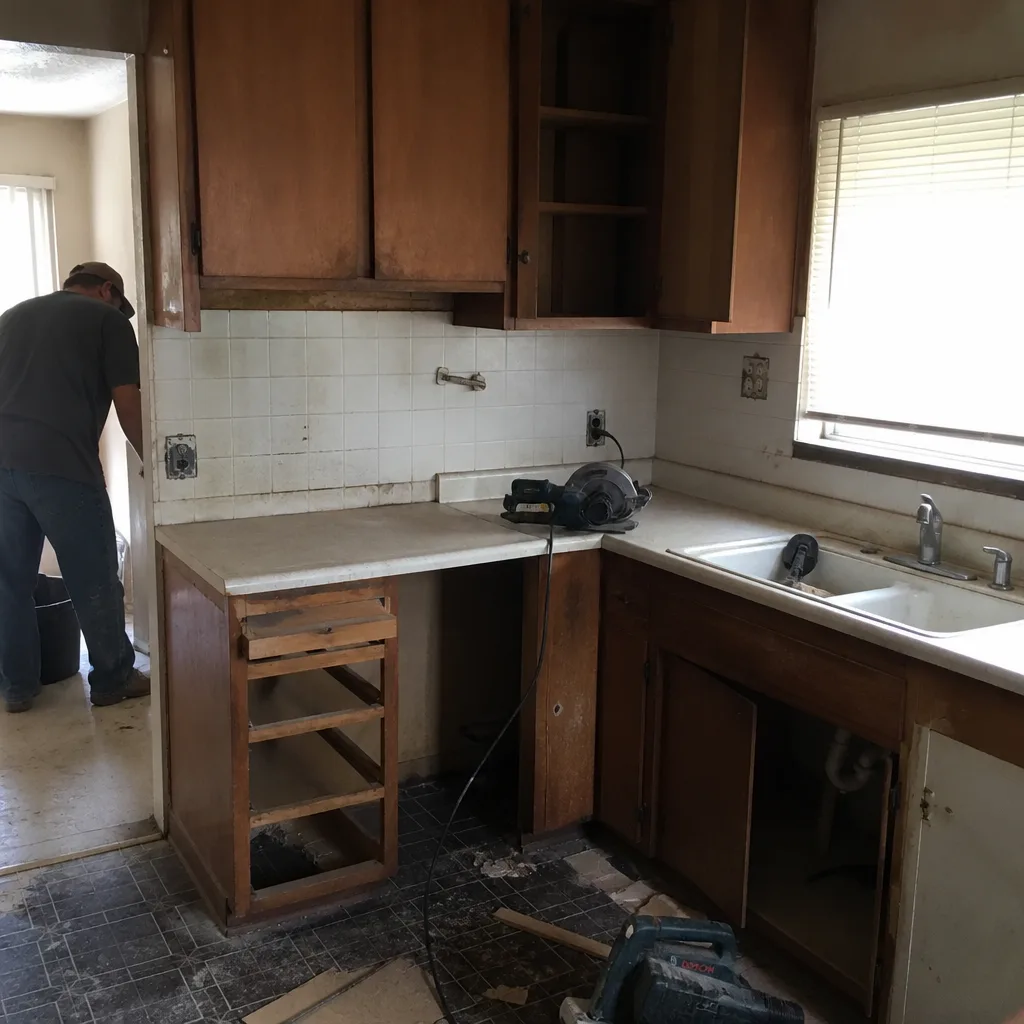 Before
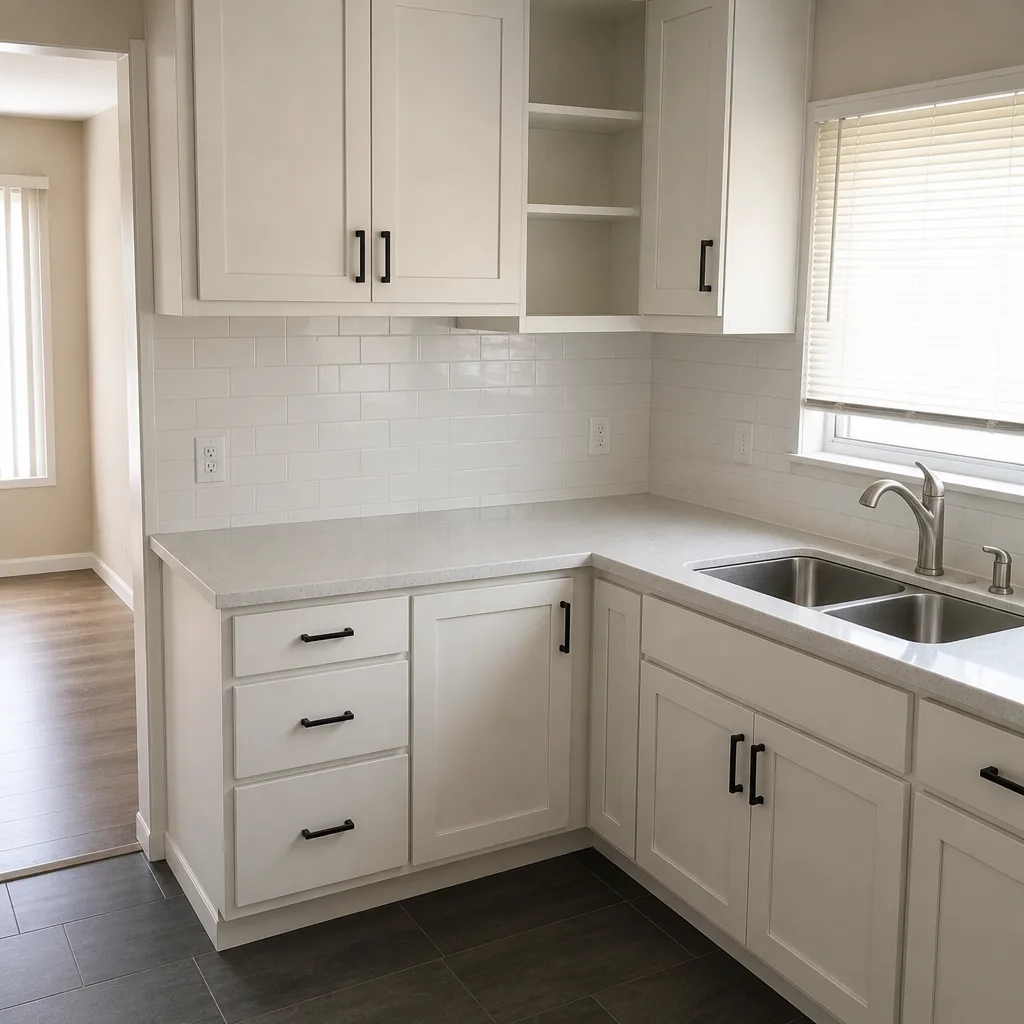 After
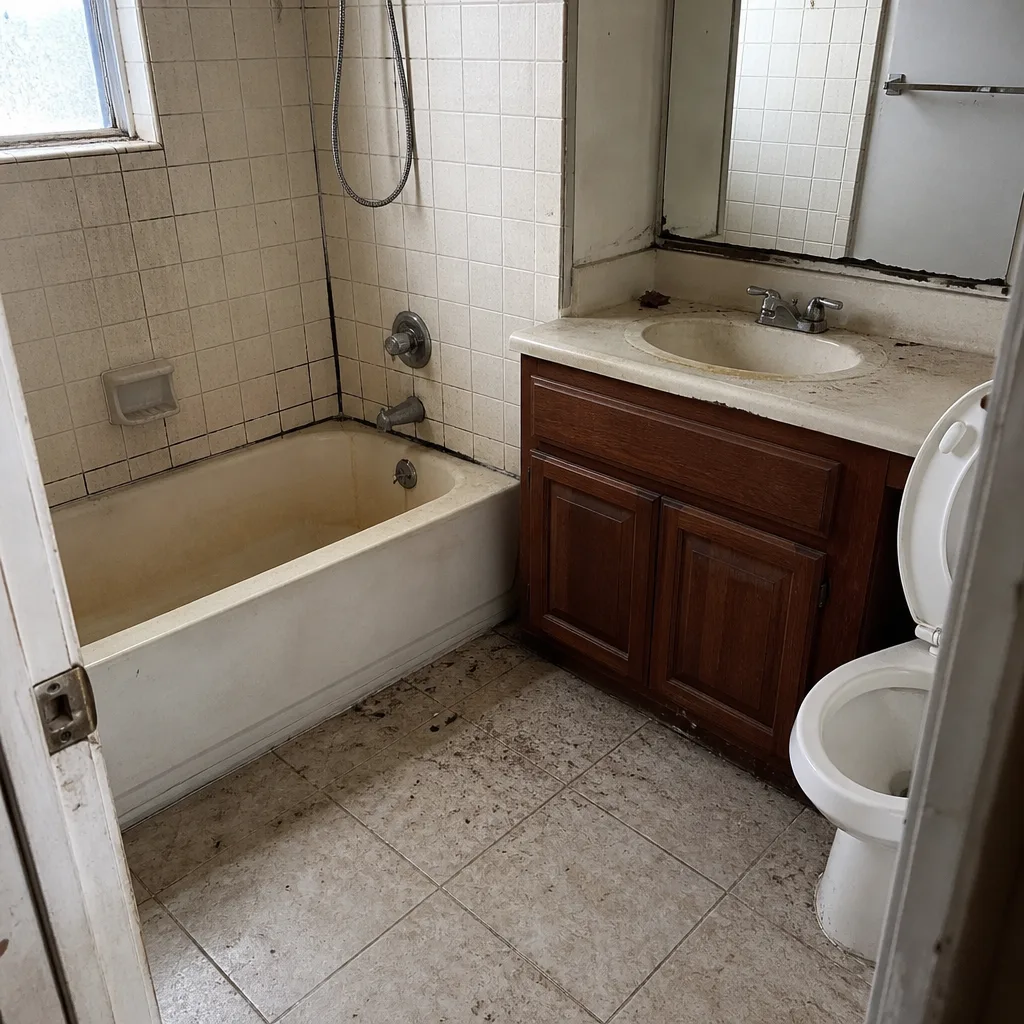 Before
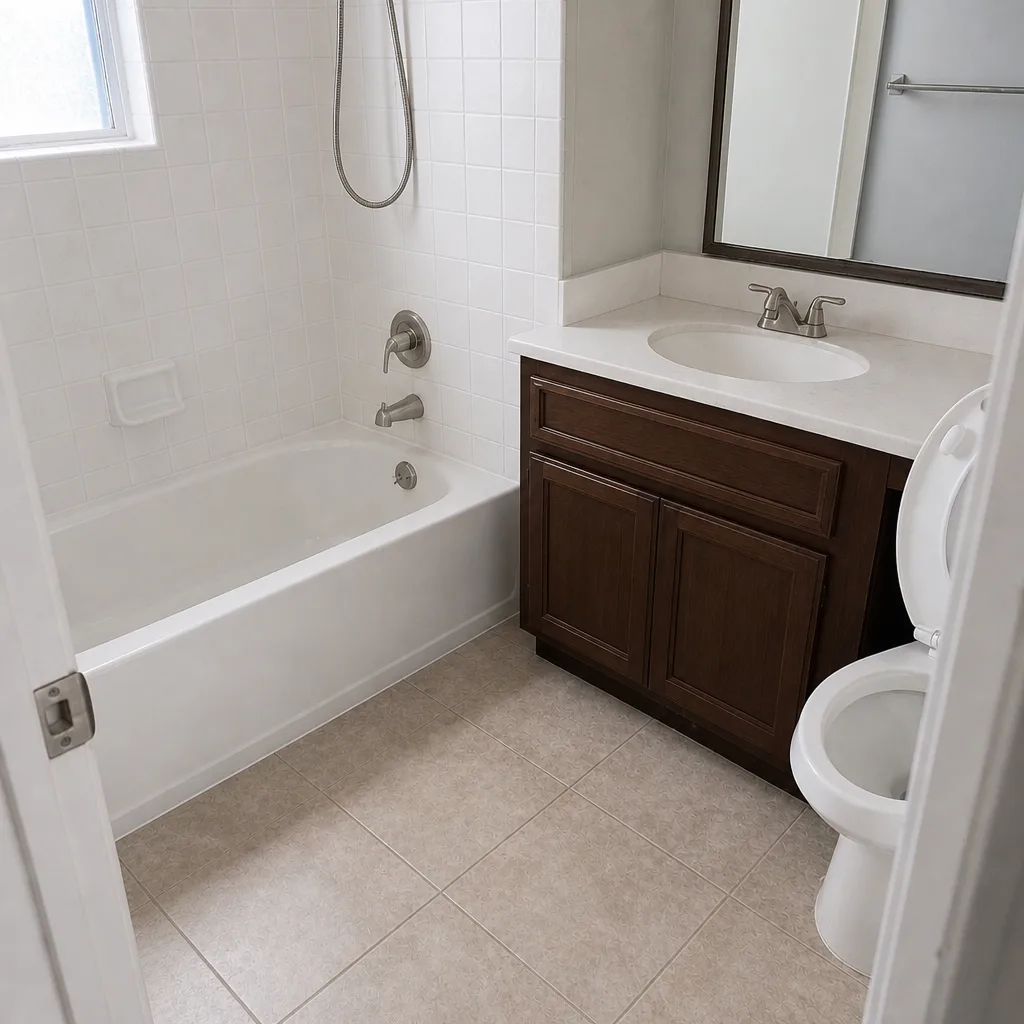 After
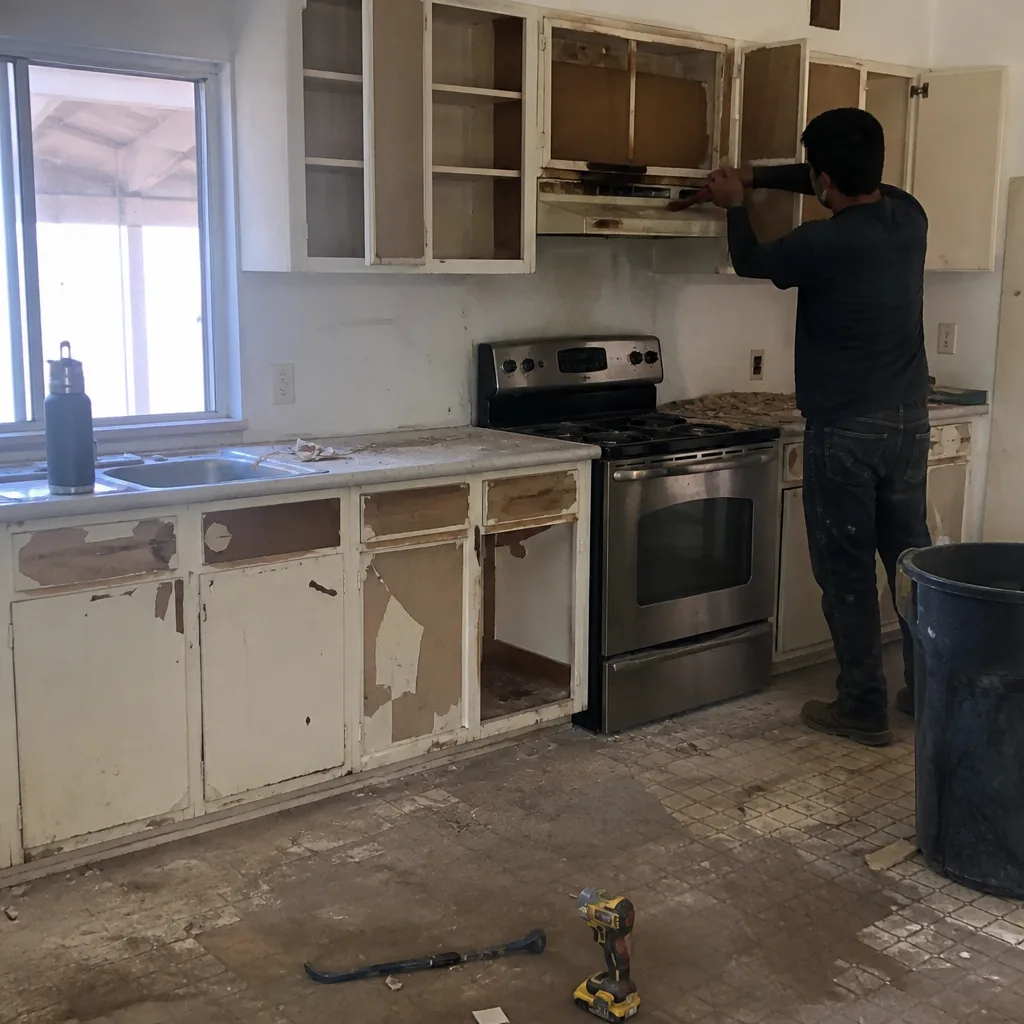 Before
 After
When to Call a Professional
Call a professional the same day for any horizontal wall crack, any masonry crack that has grown, any roof area with exposed decking, any burst pipe that has wet a wall or floor, and any visible sag in a structure. Call within 48 hours for cosmetic cracking that hasn’t changed, a single missing shingle, a leaning fence post or passive water staining. Don’t attempt temporary fixes that put you on a roof or inside a wall cavity. In these situations it’s not about speed, it’s about safety and doing it right. If you’re in doubt, call, and let a trained professional tell you what you’re looking at. Construction Whitney offers free estimates in Whitney. Call (844) 761-9669 to schedule yours. We answer 24/7. Fast dispatch from 7am to 7pm, Sunday through Friday.
Frequently Asked Questions

A construction emergency in Whitney is any damage that threatens the safety or weather-tightness of your home, or that is actively getting worse. That includes horizontal wall cracks, exposed roof decking, burst plumbing that has wet a structure, and anything causing active water intrusion. Cosmetic cracks and single missing shingles aren’t emergencies, but they do need to be scheduled.
It depends entirely on the cause, so read your policy before you assume. Damage from a sudden storm-driven event is often covered; damage from long-term deferred maintenance or poor drainage usually isn’t. The documentation protocol above is what makes the difference between a claim that goes smoothly and one that doesn’t.
Cost depends on the scope, and the most useful thing we can tell you is that the written estimate sets the final price. A cosmetic stucco patch, a small roof repair and a structural crack assessment are three completely different jobs. Call (844) 761-9669 for a free estimate. We answer 24/7. Fast dispatch from 7am to 7pm, Sunday through Friday.
Sometimes, and it depends on whether the repair alters originally permitted work. If you’re replacing a roof section, structural element or a system that was covered by a permit, expect the repair to be held to the same standard. Call your local building department to confirm for your specific scope, and ask any contractor you hire to pull the permits that apply.
The emergency response (stabilizing, tarping, shutting off water) is usually quick. The actual repair timeline depends on the scope and on material lead times. For exterior work in Whitney, roof and stucco repairs typically run a few days once materials are on site, while structural or interior repairs take longer. The written estimate should state the expected completion timeline.
Take the documentation photos first, then take only the safe temporary measures: bucket a drip, move furniture away from water, shut off the water to a leaking fixture, tarp a small exposed area from the ground. Don’t get on the roof, don’t cut into a wall looking for a leak, and don’t try to shore up anything that’s sagging.
Call (844) 761-9669 for a free estimate. We answer 24/7. Fast dispatch from 7am to 7pm, Sunday through Friday.
The Bottom Line
Construction emergencies in Whitney follow the seasons, and knowing the pattern is the biggest advantage you have. Monsoon drainage failures, summer structural crack escalation, January freeze-bursts and post-wind roof and stucco damage are predictable problems you can prepare for. Document everything before you touch anything. Take only safe temporary measures. Know which problems need a same-day assessment and which can wait 48 hours. Repair to the standard that was permitted, so a fast fix doesn’t become a disclosure problem later. The difference between a repair and a full replacement is usually response time, and a Construction Whitney free estimate is the place to start. Call (844) 761-9669 to schedule yours.
Written by the team at Construction Whitney.