Last updated November 18, 2026
Free written scope consultation - allowances, timeline, and change-order rules on paper before a single trade is scheduled
DIY vs Professional Construction: The Whitney Homeowner’s Decision Guide
Most homeowners assume the DIY-versus-contractor question comes down to skill. It doesn’t. In Whitney, the deciding factor is often legal and environmental before it’s ever about whether you can swing a hammer. Laying a paver patio on a dry-stack sand bed is a legitimate weekend project in a lot of places, but in Whitney’s flash-flood zone an improperly sloped base migrates after the first real monsoon, and if that surface ties into a shared drainage easement, Clark County can require licensed correction at your expense. This guide maps project types to honest go/no-go recommendations, with the specific reasons behind each call: permit rules, desert material specs, HOA pre-approval, and where a hybrid approach actually works.
Quick Answer
In Whitney, structural work, roofing, electrical, gas, and anything tied to a Clark County permit are not safe DIY categories regardless of your ability, because a licensed contractor must pull the permit and the inspection has to pass. Cosmetic and non-permitted work – interior paint, demolition, haul-off, finish carpentry – is genuinely doable yourself and can save real money. Everything in between depends on three things: whether a permit is required, how unforgiving the desert material specs are, and what a failure would cost you.
Styles & brands we work with
- Kitchen remodeling
- Bathroom remodeling
- Home additions & ADU
- Roofing
- Windows & doors
- Driveway & pavers
- Fence
Table of Contents
- The Permit Reality in Clark County
- Desert-Specific Technical Requirements
- HOA Communities and Pre-Approval
- The Decision Matrix: Project Type by Project Type
- Where Hybrid Approaches Work
- The Safety Line You Don’t Cross
- What “Saving Money” Actually Means Here
- When to Call a Professional
The Permit Reality in Clark County
Permits are the part of the DIY question homeowners skip, and they’re the part that matters most. Clark County requires a permit for most structural changes, additions, roof replacements, electrical work, and gas line work, and the work tied to that permit has to be performed by a licensed contractor. That removes DIY as a legal option for those categories whether or not you feel capable of doing the job. A homeowner can often pull an owner-builder permit for certain work on their own residence, but the moment the scope involves regulated trades or a structure that has to pass inspection, the licensed path is the only one that holds up.
Why this matters in Whitney specifically: a permit isn’t just paperwork, it’s a record. When you sell, an unpermitted addition or a roof replacement with no inspection trail can surface in a buyer’s due diligence and stall the sale. The county can also require correction of unpermitted work, and correction is usually more expensive than doing it right the first time because it often starts with demolition.
Here’s how permit status typically sorts out for the projects Whitney homeowners ask about most:
- Almost always permitted: home additions, ADUs, structural changes, roof replacements, electrical panel work, gas lines, new window and door openings in load-bearing walls.
- Often permitted: fence installation above a certain height, driveway and paver work that touches drainage or right-of-way, hardscape that alters site grading.
- Usually not permitted: interior paint, cabinet refacing, cosmetic bathroom updates that don’t move plumbing, landscaping that doesn’t change grading.
Rules shift, so confirm the specifics with Clark County’s building department before you buy materials. If the answer is “permit required,” the DIY option is off the table and a Construction Whitney single-contract scope is the cleaner path, because the licensed work and the inspections run through one accountable contractor instead of three.
Desert-Specific Technical Requirements
Skill gets you a long way, but desert construction has material specs that punish guesswork. The heat cycle in Whitney – brutal summer afternoons and cold winter nights – is hard on anything that expands, dries out, or cures in the open sun, and the flash-flood risk means water management is part of the design, not an afterthought. These aren’t things you learn from a weekend video; they’re things a trade learns by fixing the jobs that got them wrong.
Three specs come up on nearly every exterior project in Whitney:
- Concrete mix design. Slabs, footings, and paver base courses need a mix and thickness appropriate to the load and the sun exposure. A base built too thin or too wet cracks and settles within a season, and on a driveway that’s the whole point of the pour.
- Vapor barrier and base prep. Under interior slabs and under paver beds, the barrier and the compaction of the subgrade determine whether the surface stays flat. Skip or shortcut it and the finish moves.
- UV-rated sealants and finishes. Standard caulk and finish products degrade fast under desert sun. UV-rated sealants, exterior-grade coatings, and sun-stable materials are what keep a roof edge, a door frame, or a paver joint tight after a summer.
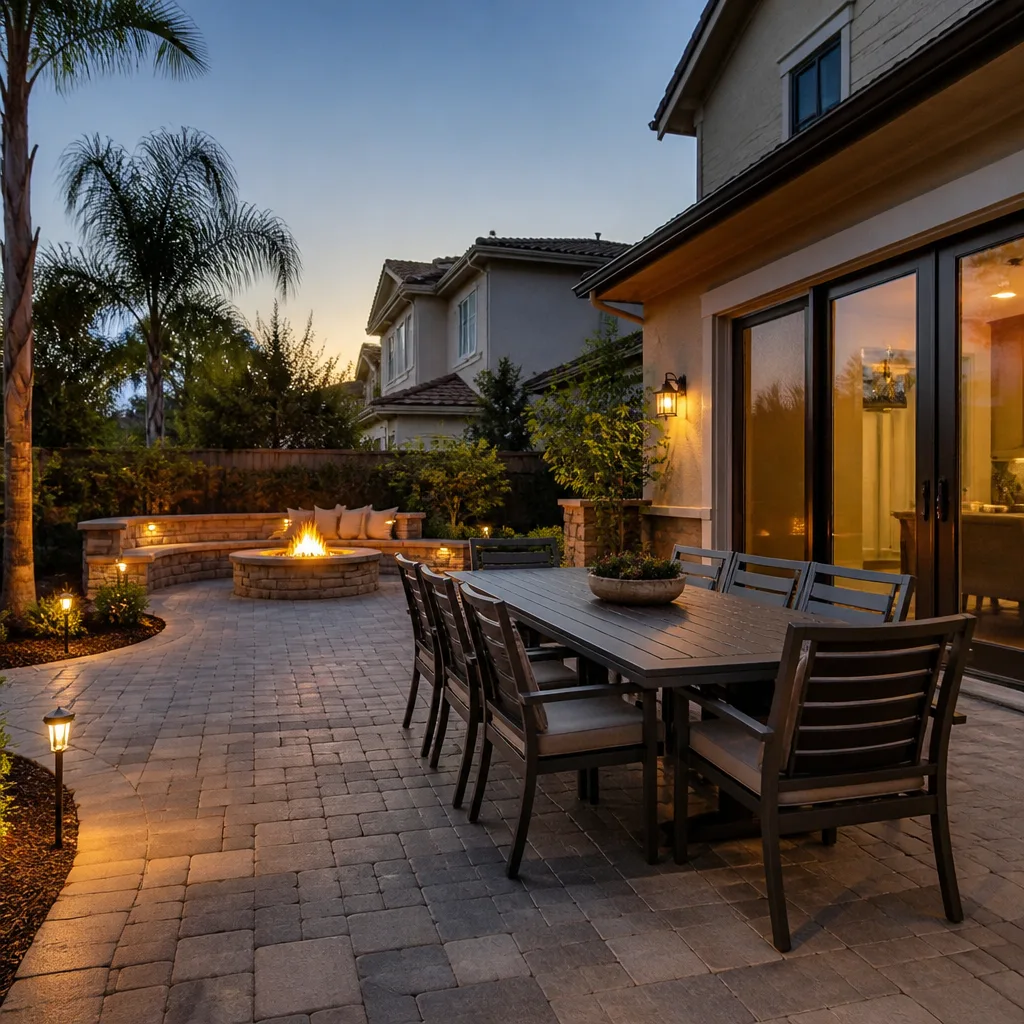
Wind-driven rain during monsoon season also stresses flashing, roof-to-wall transitions, and drainage slopes. An improperly sloped paver surface or a roof detail that sheds water toward the house will show its failure in the first heavy event, not the first year. That’s why driveway & pavers work in Whitney is less about the pavers themselves and more about the base, slope, and drainage underneath them. The material is the visible part; the spec is the part that lasts.
HOA Communities and Pre-Approval
A large share of Whitney homes sit in HOA-governed communities, and HOA standards add a layer most DIY guides ignore. Many associations require architectural review and pre-approval before exterior changes – fence style and height, roof color and material, paver color and pattern, window and door profiles, even paint color. Submit the wrong material or skip the submission and the association can require you to remove or redo the work at your cost, which wipes out any DIY savings and then some.
This is where the DIY process gets tangled. The pre-approval packet wants documented material specs, manufacturer and color names, and sometimes a site plan showing placement. Assembling that yourself means chasing down spec sheets from retail suppliers who may not stock the exact approved product line. A contractor working from a curated brand roster can hand you the documentation the board asks for, because the products come from manufacturers with published specs.
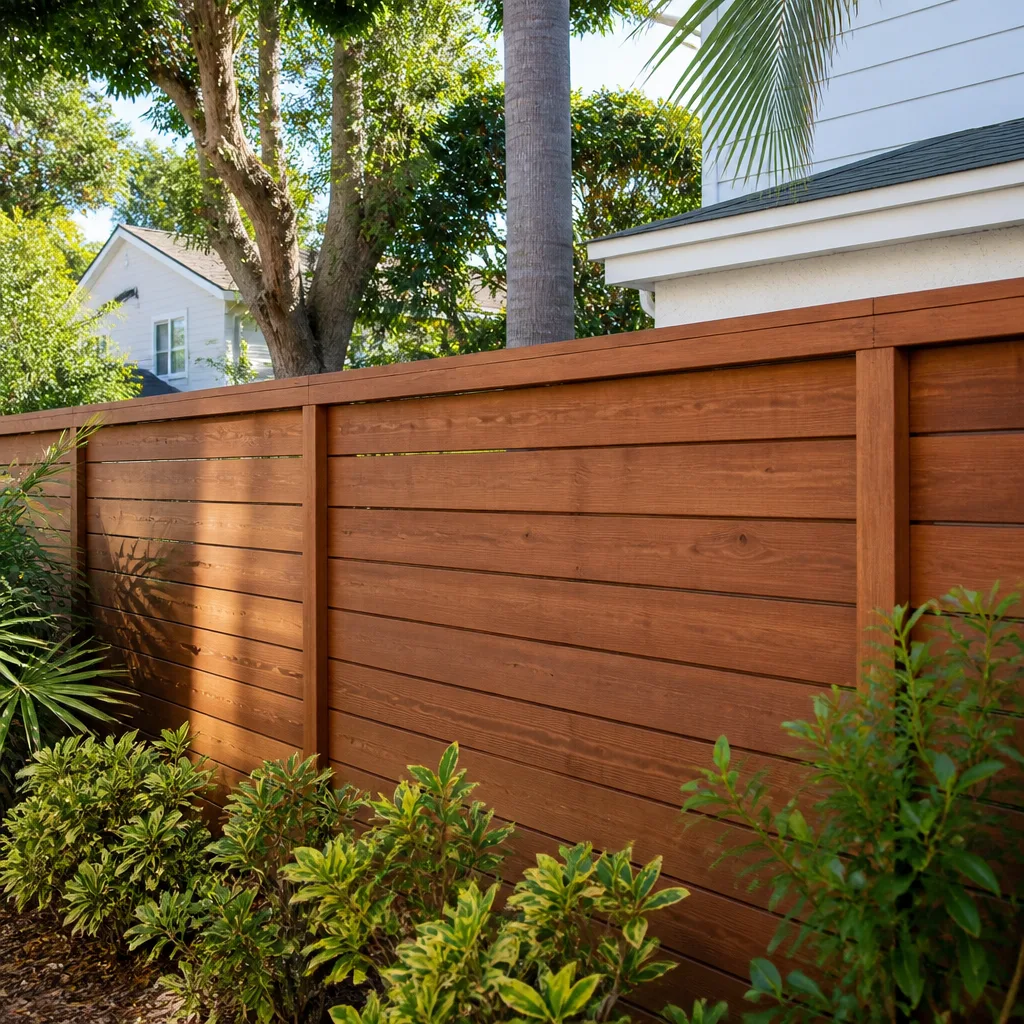
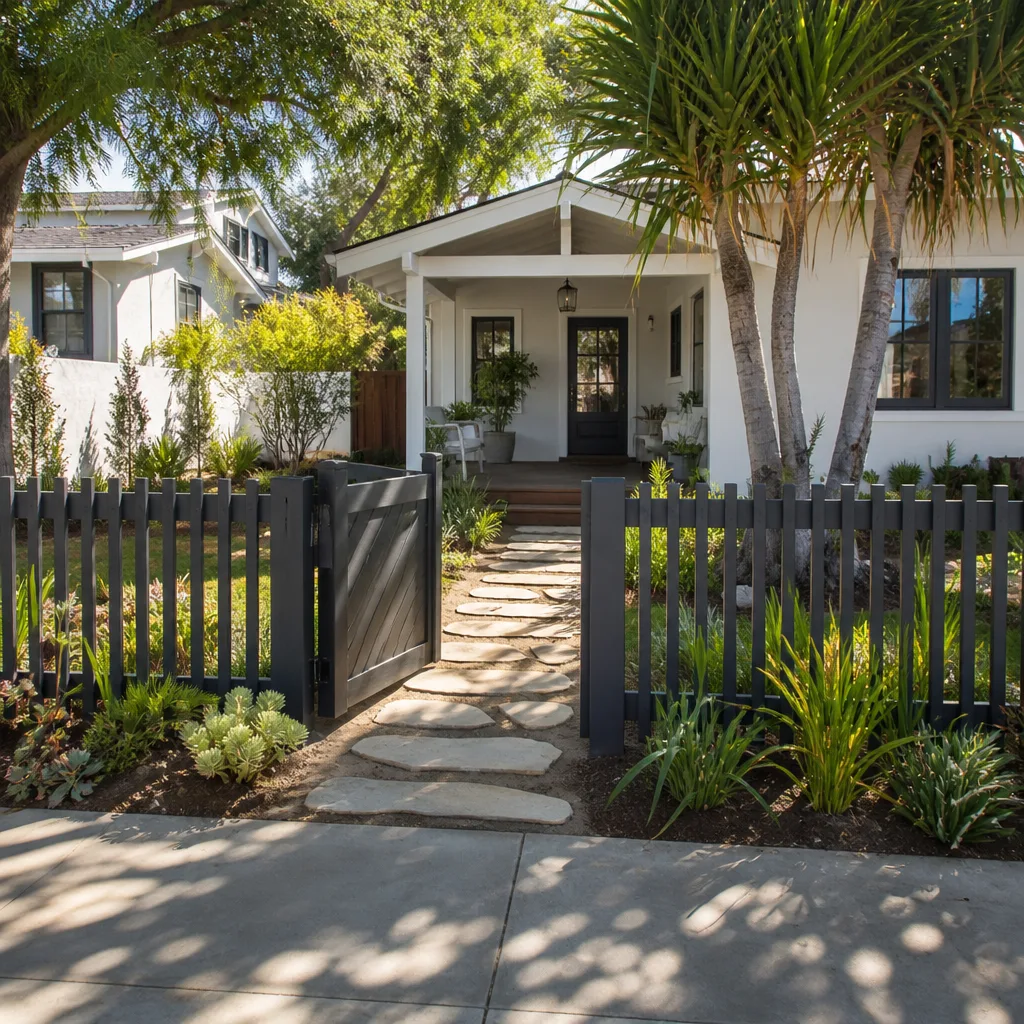
Fencing is the clearest example. Associations typically dictate a style – often ornamental metal or a specific vinyl profile – and Whitney’s six-brand fencing portfolio covers those looks through lines like Ameristar and Jerith for metal and Bufftech and ActiveYards for vinyl. Having the approved style documented before you build is the difference between a clean approval and a removal order. If your fence crosses an HOA line, start with fence installation and let the pre-approval run through the contractor who knows the product spec.
The Decision Matrix: Project Type by Project Type
The honest way to answer DIY-or-pro is to sort each project by four factors: does it need a permit, how technically unforgiving is it, what happens if it fails, and can a hybrid split the work. Here’s how the common Whitney project types fall out.
- Roof replacement: Don’t DIY. Permit required, height and fall risk is real, and the manufacturer warranty can be voided by an improper install. Call a licensed roofer.
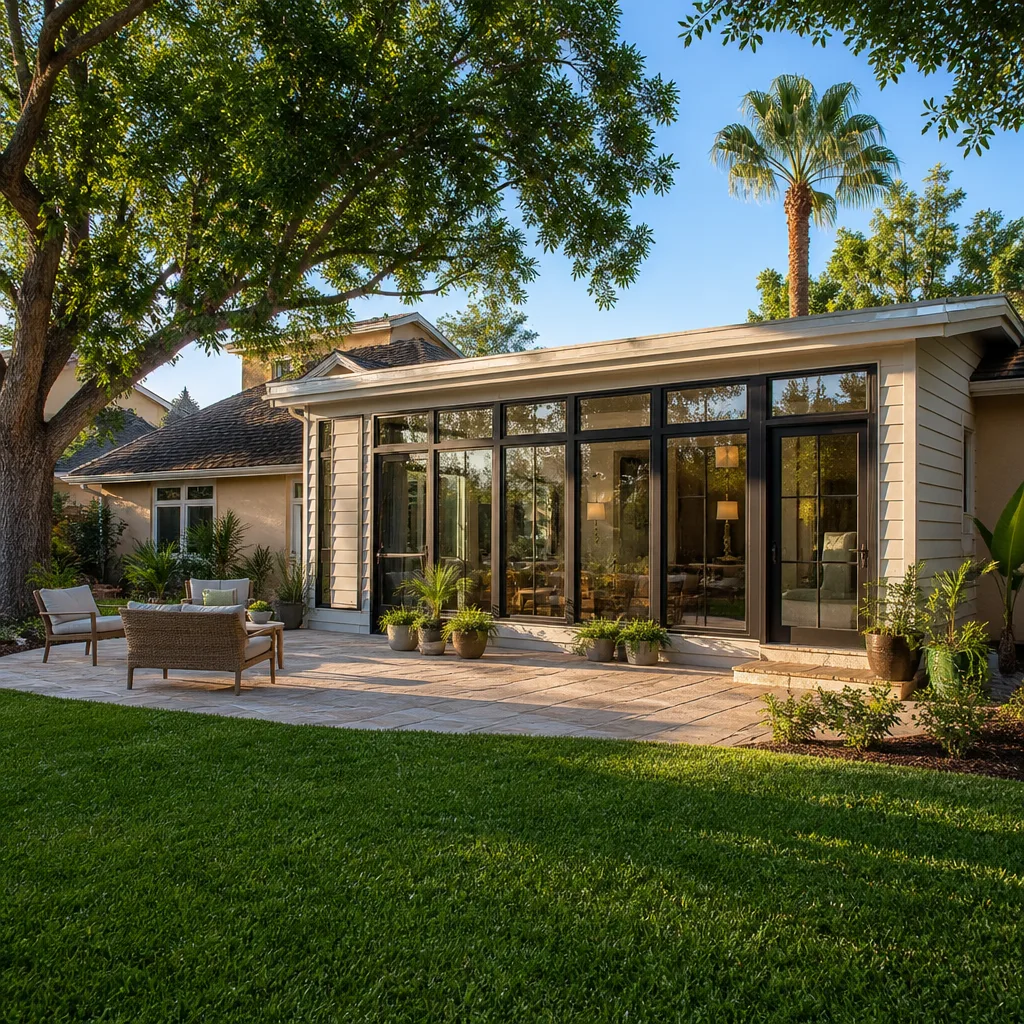
- Home addition or ADU: Don’t DIY. Permits, structural engineering, and inspections make this a licensed build from foundation to final. home additions & ADU work is a full-contract scope, not a weekend.
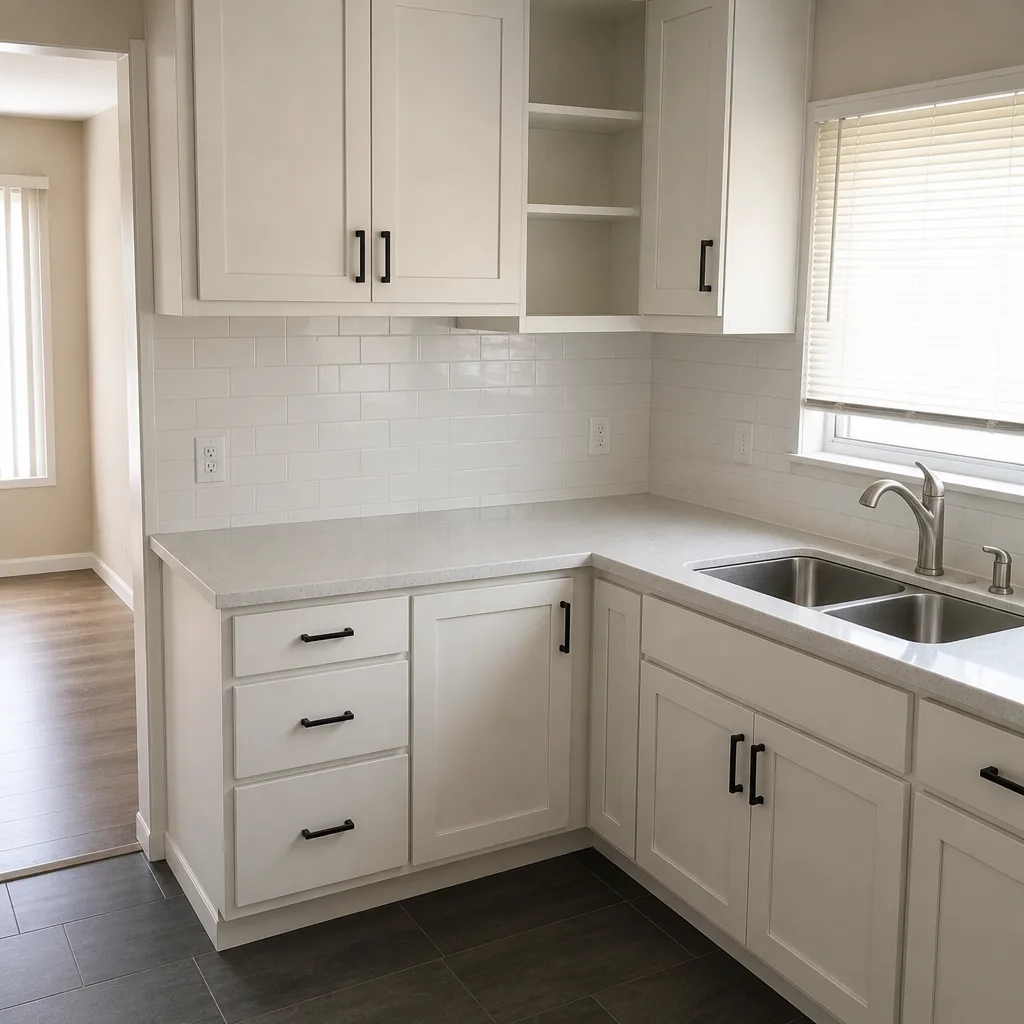
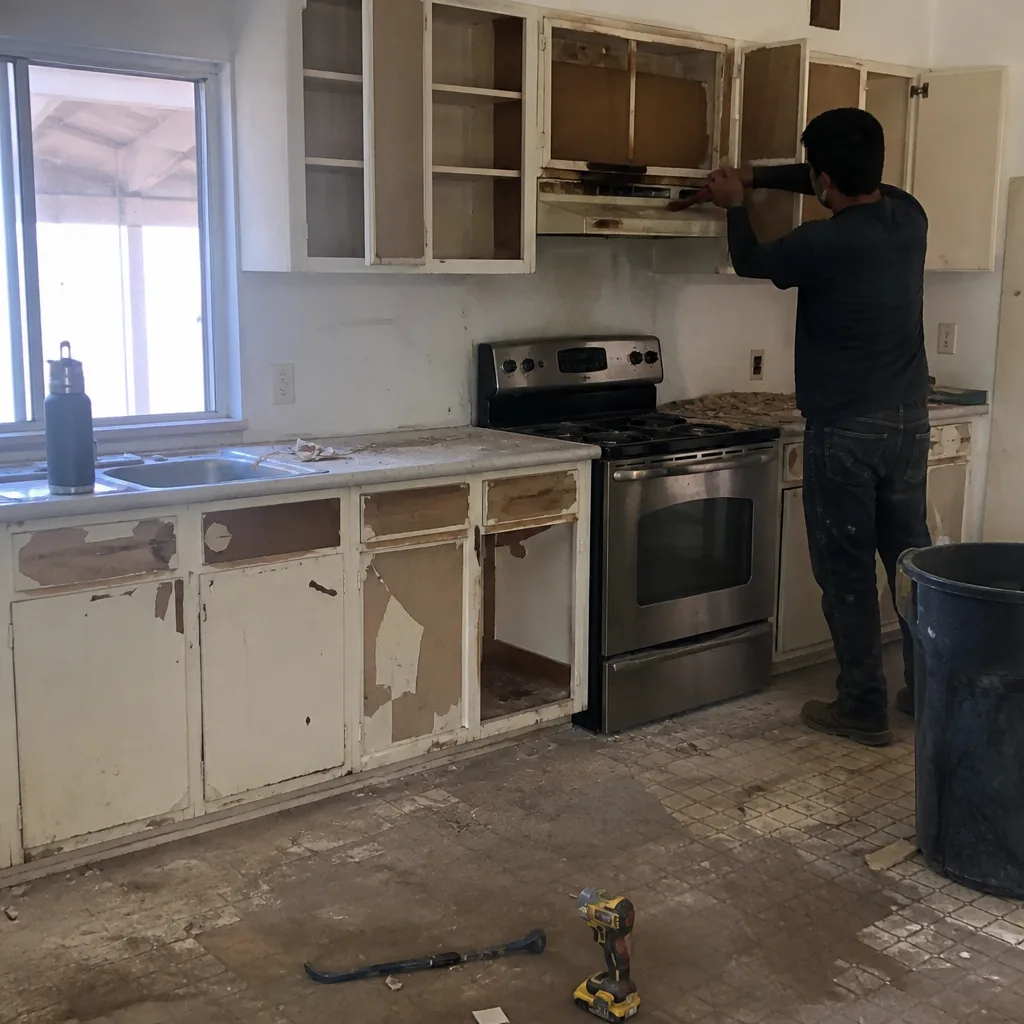
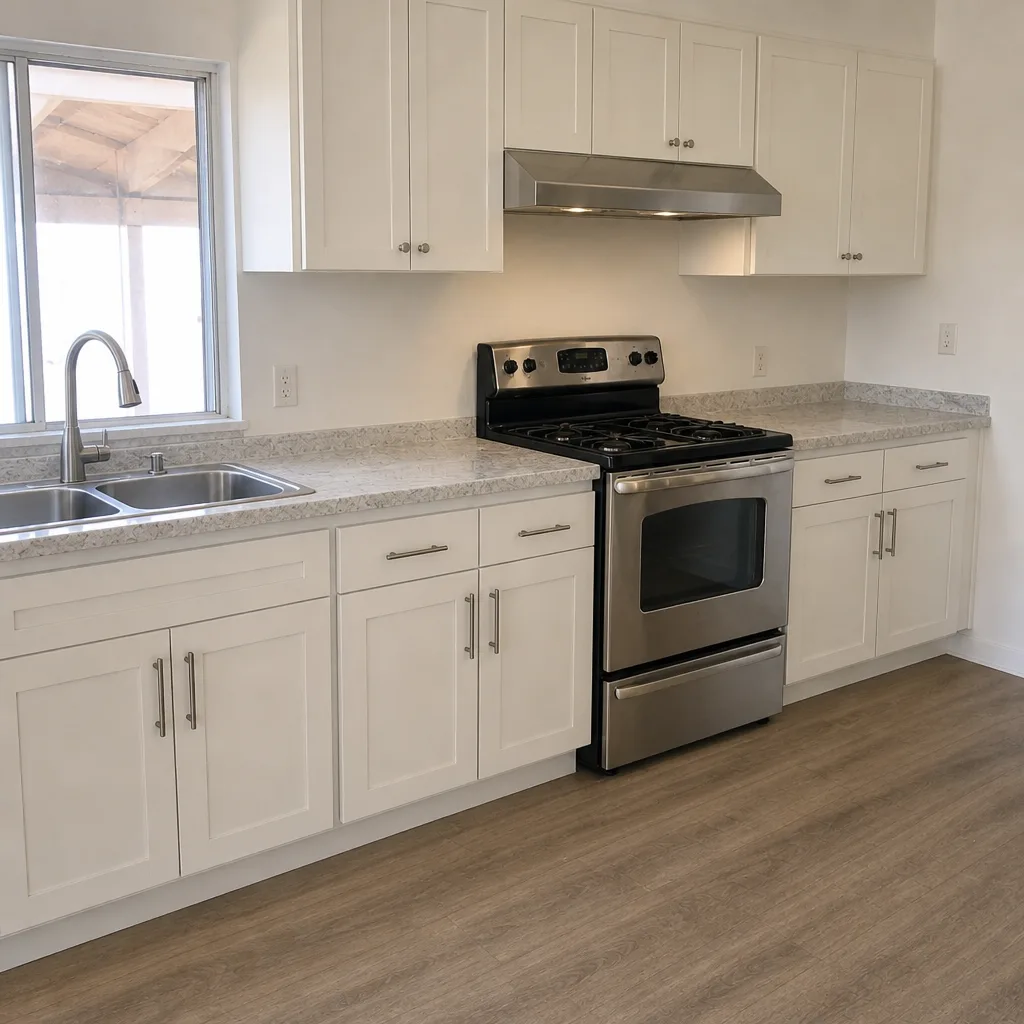
- Kitchen remodel: Split it. Demolition and haul-off are DIY-friendly; plumbing, electrical, and cabinet install are not. See the hybrid section.
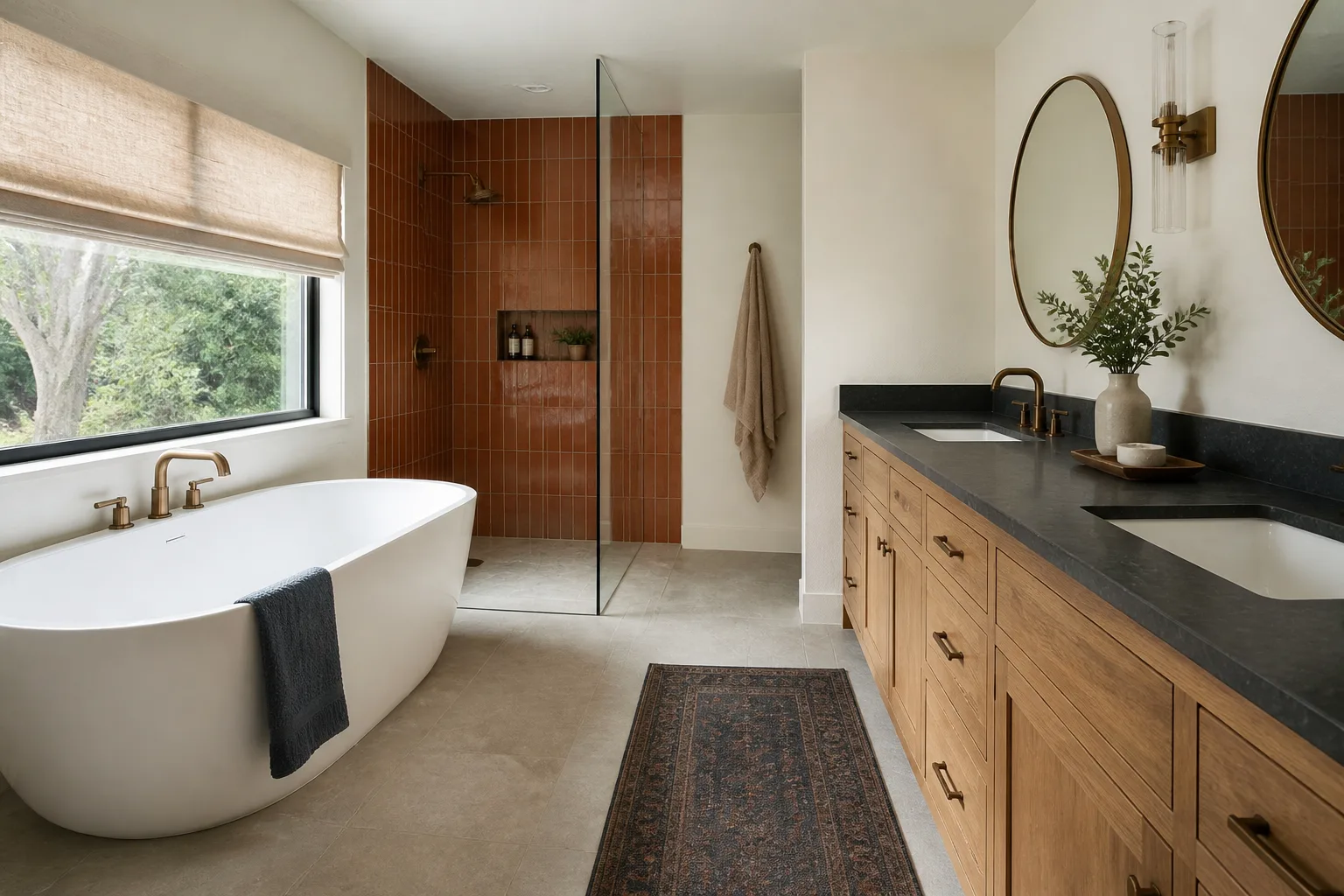
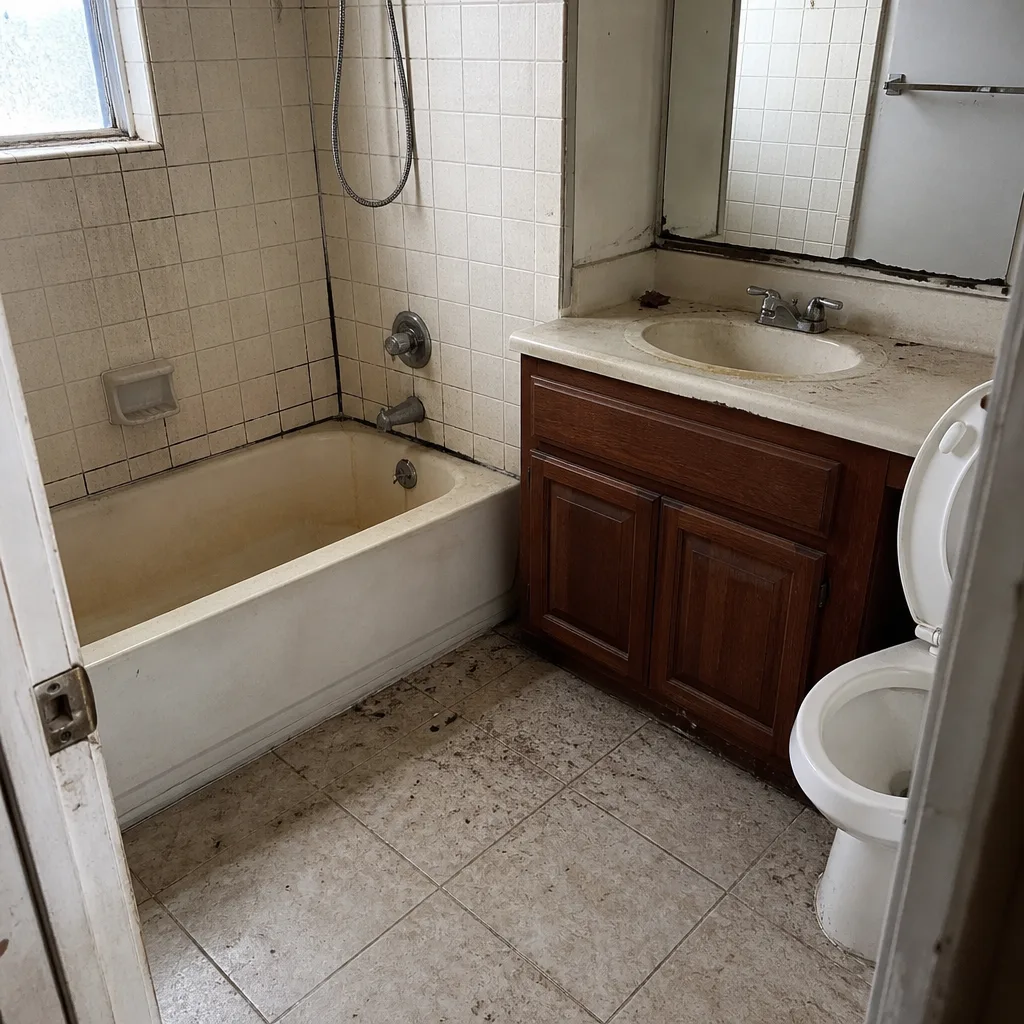
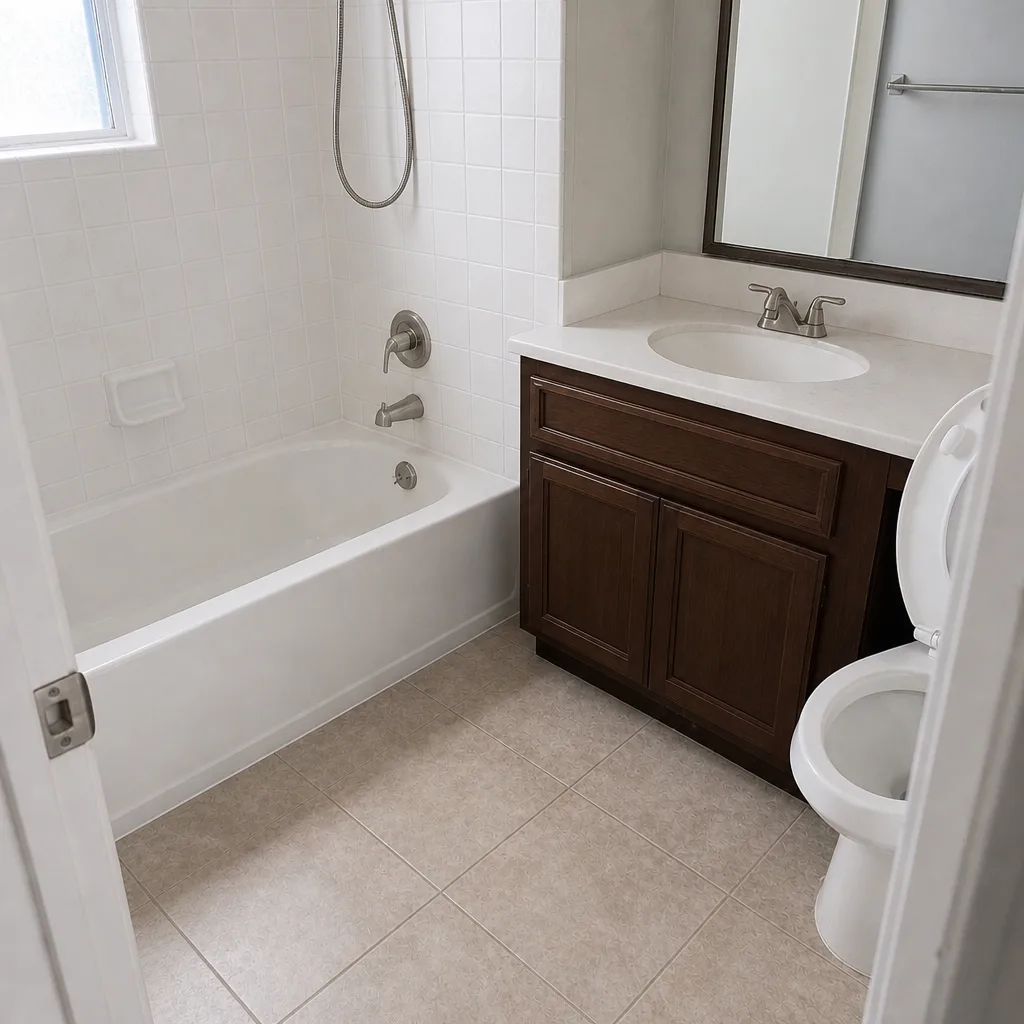
- Bathroom remodel: Split it, but carefully. Tile and finish work reward a steady hand; waterproofing, plumbing relocation, and the shower pan do not forgive mistakes that hide behind a wall.
- Windows and doors: Pro for any opening change (load-bearing) or impact-rated replacement. DIY-friendly only for trim and paint.
- Fence installation: Depends on height, HOA, and material. A low garden fence is a legit DIY job; an HOA-approved ornamental metal run with permit and property-line stakes is not.
- Driveway and pavers: Hybrid at best. Tear-out and haul-off are DIY-friendly; base prep, slope, compaction, and drainage ties are not, and a failed base is a full do-over.
The rule of thumb: if the project touches structure, the building envelope, water management, or a regulated trade, the permit and the consequence of failure push it to professional. If it’s cosmetic, removable, or reversible without opening a wall or the ground, DIY is fair game. Our technicians have up to 11 years of experience seeing both sides of that line, and the failures almost always start on the “reversible” side of a project the homeowner thought was reversible.
Where Hybrid Approaches Work
The DIY-versus-pro question isn’t binary, and treating it as binary is where a lot of Whitney homeowners leave money on the table. The smartest approach splits scope by what’s actually valuable to do yourself: the labor-heavy, low-skill, high-effort tasks. Check the permit rules and your HOA first, then divide the job like this.
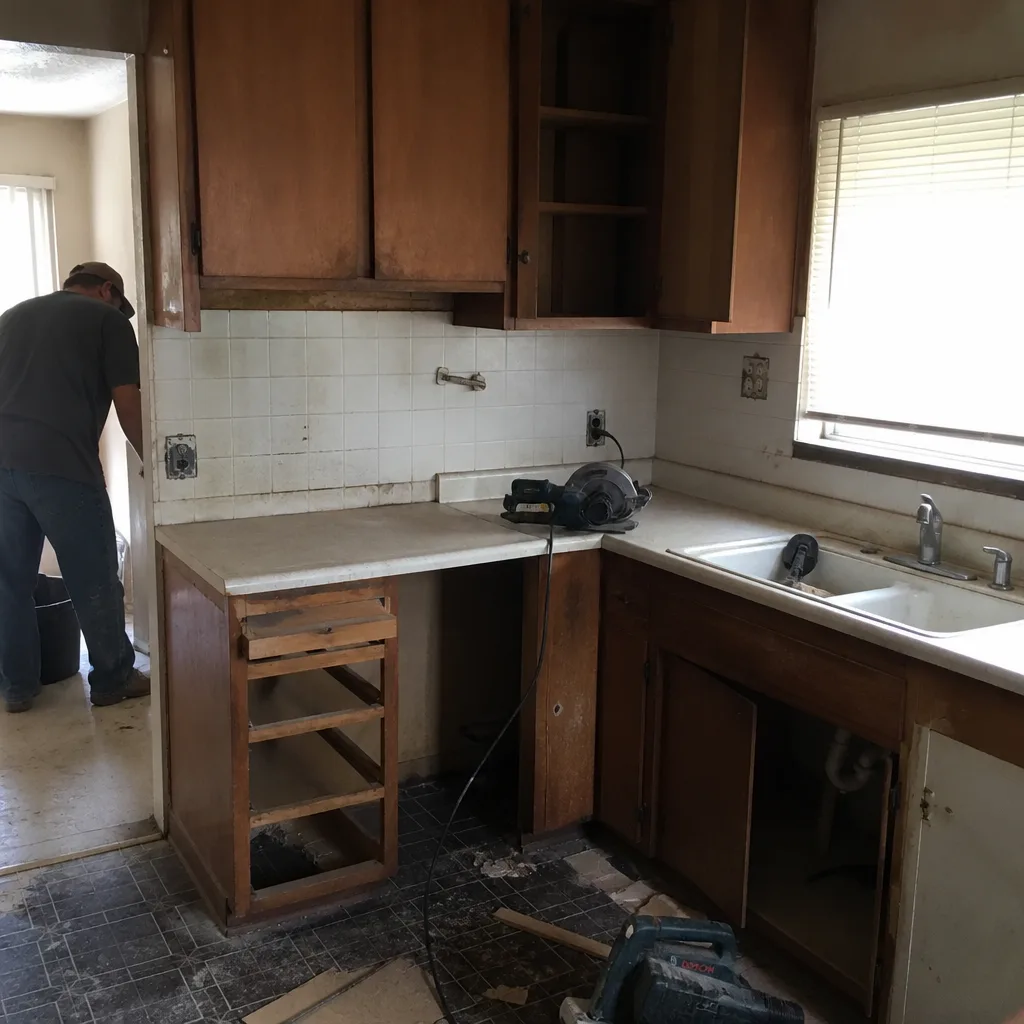
- Demolition. Tearing out old cabinets, tile, flooring, or a fence line is labor you can genuinely supply. It’s fast, hard work, and it’s usually permitted without a licensed trade.
- Haul-off and disposal. Loading and hauling debris to the transfer station is a real cost line you can absorb yourself if you have the vehicle and the time.
- Finish painting and touch-up. Interior paint and trim finish work are DIY-friendly once the structural and permit scopes are complete and inspected.
- Material selection. You can and should choose the brands. Specifying the countertop you already trust, the cabinet line you researched, and the fixture finish you want is homeowner work, not contractor work.
- Site prep like landscaping and final cleanup. Spreading gravel, planting, and final site cleanup are reasonable to handle yourself after the hardscape or addition is signed off.
What stays with the professional, always: anything on a permit, anything that opens the building envelope, anything that carries water away from the house, and anything with a warranty that depends on a licensed install. A hybrid scope works best when it’s defined in writing before work starts, so the split is clear and the inspection responsibilities don’t fall through the crack between you and the contractor. That’s the same logic behind a single-contract scope: one party owns the permitted, inspected work, and the homeowner owns the labor that doesn’t need a license.
The Safety Line You Don’t Cross
Some projects carry a safety risk that no amount of confidence outweighs. We flag these clearly because a real expert does. Roof work means height, fall risk, and the desert heat, and a fall from a Whitney roofline is a serious injury, not a scraped knee. Electrical panel work and any new circuit carry shock and fire risk, and they’re permitted, inspected trades for a reason. Gas line work carries explosion risk and is never a DIY job. Any structural change – removing or altering a load-bearing wall, cutting a new opening, adding a second story – requires engineered plans and inspection, and getting it wrong can compromise the whole house.
The test is simple: if a failure could injure someone, burn the house, or make the structure unsafe, hire the licensed professional. If the worst case is an ugly paint line or a wobbly shelf you redo next weekend, DIY away. Everything in between, ask before you start. Call (844) 761-9669. We answer 24/7, with fast dispatch from 7am to 7pm, Sunday through Friday.
What “Saving Money” Actually Means Here
DIY saves money when the labor is the bulk of the cost and the risk is low. It costs money when the labor is cheap but the redo is expensive. Roofing, structural work, and drainage-tied hardscape fall into the second bucket almost every time, because a failed install means demolition, disposal, and a second pass at materials and labor. A base that washes out after a monsoon, a roof detail that leaks, or an unpermitted addition that has to be corrected all erase the DIY savings and add cost on top. Cosmetic work – paint, finish carpentry, demolition labor – reliably saves because there’s nothing to redo if it’s done reasonably well.
There’s also the HOA and resale angle. Unpermitted work and un-approved exterior changes can cost you at sale or at the association’s review, and those costs run far past the labor you saved. The written estimate is what makes a professional scope comparable to a DIY number, because it’s line-item. Ask for it in writing, compare the material and labor lines, and put the permit and inspection fees in both columns. That’s the only apples-to-apples comparison. Estimates from us are free, and the written estimate sets the final price per job with no change orders on the defined scope.
See the difference
 Before
 After
 Before
 After
 Before
 After
Common Mistakes to Avoid
- Assuming skill overrides permits. Being able to do the work doesn’t make it legal to do without a permit and a licensed contractor. Confirm the Clark County requirement before you buy a single material.
- Skipping the HOA pre-approval packet. In Whitney’s HOA communities, exterior work without documented approval can be ordered removed. Get the material spec and color approved in writing before work starts.
- Treating desert material specs like temperate-climate specs. Standard sealants, thin base courses, and unrated finishes fail fast under Whitney sun and monsoon rain. Match the product to the climate, not to what’s on sale.
- Under-building the paver base. The pavers are the visible part; the base, slope, and drainage are what last. A short base on a driveway or patio means a do-over, not a repair.
- Leaving the permit to the buyer to discover. Unpermitted additions and roof replacements surface in buyer due diligence and can stall a sale. A permit record is an asset, not a formality.
- Doing the dangerous part to save a few hundred dollars. Roof height, electrical panels, and gas lines are the categories where a DIY mistake can injure or kill. Those aren’t the ones to test yourself on.
- Defining a hybrid scope verbally. If you handle demolition and the pro handles the permitted work, put the split in writing so the inspection responsibilities don’t fall between you and the contractor.
When to Call a Professional
Call a professional in Whitney when the project requires a Clark County permit, opens the building envelope, carries a structural load, moves plumbing, gas, or electrical, or touches drainage in a flash-flood zone. Call when your HOA requires architectural review and you need documented material specs to submit. Call when the consequence of failure is a redo of the whole job rather than a touch-up. And call when you want the labor split defined in writing so demolition and finish work stay with you and the permitted, inspected work stays with the licensed pro. Construction Whitney offers free estimates in Whitney. Call (844) 761-9669. We answer 24/7, with fast dispatch from 7am to 7pm, Sunday through Friday.
Frequently Asked Questions
For most structural, roofing, electrical, and gas work, yes. Clark County requires a permit for these categories, and work tied to a permit must be performed by a licensed contractor, so DIY isn’t a legal option regardless of your skill. Confirm the specific requirement with the county building department; a licensed, insured pro is the safe path for anything permitted and inspected.
Yes, and it’s one of the most reliable ways to cut cost. Demolition, haul-off, and final site cleanup are labor-heavy, low-skill tasks a homeowner can supply while the permitted and inspected work stays with the pro. Define the split in writing before work starts so responsibilities don’t blur. Call (844) 761-9669 to plan a hybrid scope – estimates are free.
Three matter most: a concrete mix design and thickness appropriate to the load and sun exposure, a proper vapor barrier and compacted base under slabs and paver beds, and UV-rated sealants and finishes that hold up to the heat cycle. Standard temperate-climate products degrade fast here. Call (844) 761-9669 for an exact quote – estimates are free.
Yes. In Whitney’s flash-flood zone, an improperly sloped base migrates after a heavy rain, and if the paver surface ties into a shared drainage easement the county can require licensed correction at the homeowner’s expense. That’s why base, slope, and drainage matter more than the pavers themselves. Call (844) 761-9669 for a free estimate on the whole spec – base included.
In most Whitney HOA communities, yes. Associations typically require architectural review and documented material specs – fence style and height, roof color and material, paver color – before exterior work begins. Skipping approval can mean a removal order at your cost. Work with a contractor who can supply the spec documentation; call (844) 761-9669 – estimates are free.
On a defined, written scope, no. The written line-item estimate sets the final price, and the free estimate step is where the scope gets locked down so there are no change orders. The only real variable is a scope change you request. Call (844) 761-9669 to schedule your free estimate.
Yes, and it’s one of the better hybrid projects. Homeowners can handle demolition, haul-off, and finish painting, while the licensed pro handles plumbing, electrical, cabinet installation, and anything on a permit. Specify your countertop and cabinet brands yourself – that’s homeowner work. Call (844) 761-9669 to split the scope in writing – estimates are free.
The Bottom Line

The Whitney DIY-versus-pro decision is a permit-and-consequence question before it’s a skill question. Structural work, roofing, electrical, gas, and anything tied to a Clark County permit belong with a licensed contractor, because the permit and the inspection are non-negotiable. Cosmetic, removable, and reversible work is genuinely yours to do, and hybrid scopes that split demolition and finish labor from permitted work are where the real savings live. Sort each project by permit requirement, technical spec, and consequence of failure, check the HOA before exterior work, and put the scope split in writing. Where the permit and the deck are on the professional side, one accountable contractor keeps every phase moving.
If your project lands in the professional column, plan the whole scope as a single contract rather than a chain of specialty subs. That’s the reason Construction Whitney runs seven service lines – from the driveway at the curb to the roofline – so the kitchen, the roof, the windows, and the addition stay under one point of accountability. Call (844) 761-9669 for a free estimate. We answer 24/7, with fast dispatch from 7am to 7pm, Sunday through Friday.
Written by the team at Construction Whitney.