Last updated November 18, 2026
Free written scope consultation - allowances, timeline, and change-order rules on paper before a single trade is scheduled
Construction Cost Breakdown: The Whitney Homeowner’s Reference for 2026
Most construction cost guides are built on national averages, and that is exactly why they mislead Whitney homeowners. A national figure for concrete work or a kitchen remodel is an average across hundreds of very different markets, and Whitney doesn’t sit anywhere near the middle of that spread. Clark County’s labor market, the desert-specific material specifications that actually hold up here, and the county’s permit fee structure combine to produce a cost profile that runs above Midwest benchmarks and below coastal ones, and the gap between those poles changes shape from one project category to the next. This guide breaks down realistic 2026 ranges for the residential projects most common in Whitney, then explains what moves each number so you can read a bid accurately instead of guessing.
Quick Answer
In Whitney, realistic 2026 construction costs sit meaningfully above national averages for nearly every residential category, driven by desert-grade material specs, Clark County permit fees, and summer scheduling constraints. A concrete driveway replacement typically lands in the mid-teens per square foot, patios and pavers fall somewhat lower, and interior remodels depend heavily on how much of the work involves moving walls, plumbing, or electrical. Materials usually run 35 to 50 percent of a project budget, labor 30 to 45 percent, and permits plus inspection-driven costs the remainder, with the widest variance in labor and site prep.
Styles & brands we work with
- Kitchen remodeling
- Bathroom remodeling
- Home additions & ADU
- Roofing
- Windows & doors
- Driveway & pavers
- Fence
Table of Contents
- Why Whitney Costs Differ From National Averages
- The Three Whitney-Specific Cost Drivers
- How a Whitney Project Budget Breaks Down
- Category-by-Category Cost Ranges for Whitney Homes
- Single-Contractor Coordination vs. Multiple Contractors
- The Line Items Homeowners Most Often Underbudget
- Common Mistakes to Avoid
- When to Call a Professional
Why Whitney Costs Differ From National Averages
Whitney is not an expensive place to build, but it is a specific place to build, and specificity always has a price attached. Three structural factors push costs above what you’d see quoted for the same square footage in the Midwest, and none of them are the contractor trying to pad a bid. Understanding each one lets you separate a fair Whitney number from an inflated one.
The first factor is climate and ground conditions. Whitney sits in the Mojave Desert, which means extreme summer heat, very low humidity, and expansive clay-rich soils in many parts of the valley. Those conditions don’t just change how a job is sequenced. They change what materials meet spec. Concrete mixed for desert conditions, stucco applied with an eye toward thermal cycling, and roofing underlayment built for intense UV exposure all cost more than the general-purpose products quoted in national averages.
The second factor is the Clark County permit structure. Any structural work, addition, roofing replacement, or major electrical and plumbing change goes through a county building permit process with its own fee schedule and its own inspection sequence. Permit fees and inspection-driven adjustments typically add several percent to a project, and where they add more is on jobs that were under-scoped from the start.
The third factor is time-of-year. Summer in Whitney is not a comfortable construction season for exterior work. Concrete pours, stucco, roofing, and paver installation all require either early-morning scheduling, shaded staging, or a slow-down in crew pace to keep both the materials and the people within safe limits. That cost is real and it shows up in summer bids, which is why the same driveway quoted in spring can price differently by July.
The Three Whitney-Specific Cost Drivers
If you want the short version of this guide, it’s these three levers. Nearly every Whitney bid you receive will move in response to one or more of them, and understanding how they interact is the single biggest advantage you can bring to a pricing conversation.
Desert Material Specifications
- Concrete: Desert-mix concrete needs higher cement content and careful water-to-cement ratios to survive the thermal cycling of a Whitney summer. This raises per-yard material cost over what a mild-climate market quotes.
- Stucco and exterior finishes: Stucco applied here needs appropriate proportions and curing conditions; a finish spec that performs in a humid climate can cure poorly in dry heat.
- Roofing: UV exposure in Whitney is brutal compared with northern markets. Underlayment, fasteners, and product selection all tilt toward materials rated for sustained sun.
- Pavers and hardscape: Belgard, Unilock, Tremron, and Techo-Bloc all make pavers that hold up well here, but the base prep matters more than the surface. Over compacted clay, base depth and drainage detail are where the cost lives.
Clark County Permit Fees and Inspection Sequence
Permit fees in Clark County are tied to project valuation and type. A roofing replacement, a home addition, a structural kitchen gut, or a detached ADU all require permits and inspection checkpoints. Those fees scale with scope, and so do the labor hours needed to meet inspection criteria. The most common surprise is a homeowner who recieves a bid that omits permit cost, then faces a change order once the county gets involved.
Summer Scheduling Constraints
Between roughly June and September, exterior crews in Whitney work around heat rather than through it. Concrete pours happen early; stucco and roofing pause in the worst afternoon windows. That constrains the number of jobs any crew can complete in a given week, and the constrained calendar translates into higher bids on summer-scheduled work than the same job priced in a cooler month.
How a Whitney Project Budget Breaks Down
Every Whitney project falls into three buckets, and knowing the rough proportions helps you spot a bid that’s out of balance. As a general rule, materials account for 35 to 50 percent of a project, labor 30 to 45 percent, and permits plus inspection-related costs the remaining slice. The exact split shifts by category: a roofing replacement tilts heavier toward materials, a kitchen remodel tilts heavier toward labor, and a driveway lands somewhere in between.
Where each bucket has the most variance is worth knowing before you compare bids:
- Materials: Variance is highest where the product tier is chosen. A spec-grade countertop and a premium engineered stone surface sit at very different price points, and both can be right for the job. Which tier you choose is your call, and it’s the largest lever within your control.
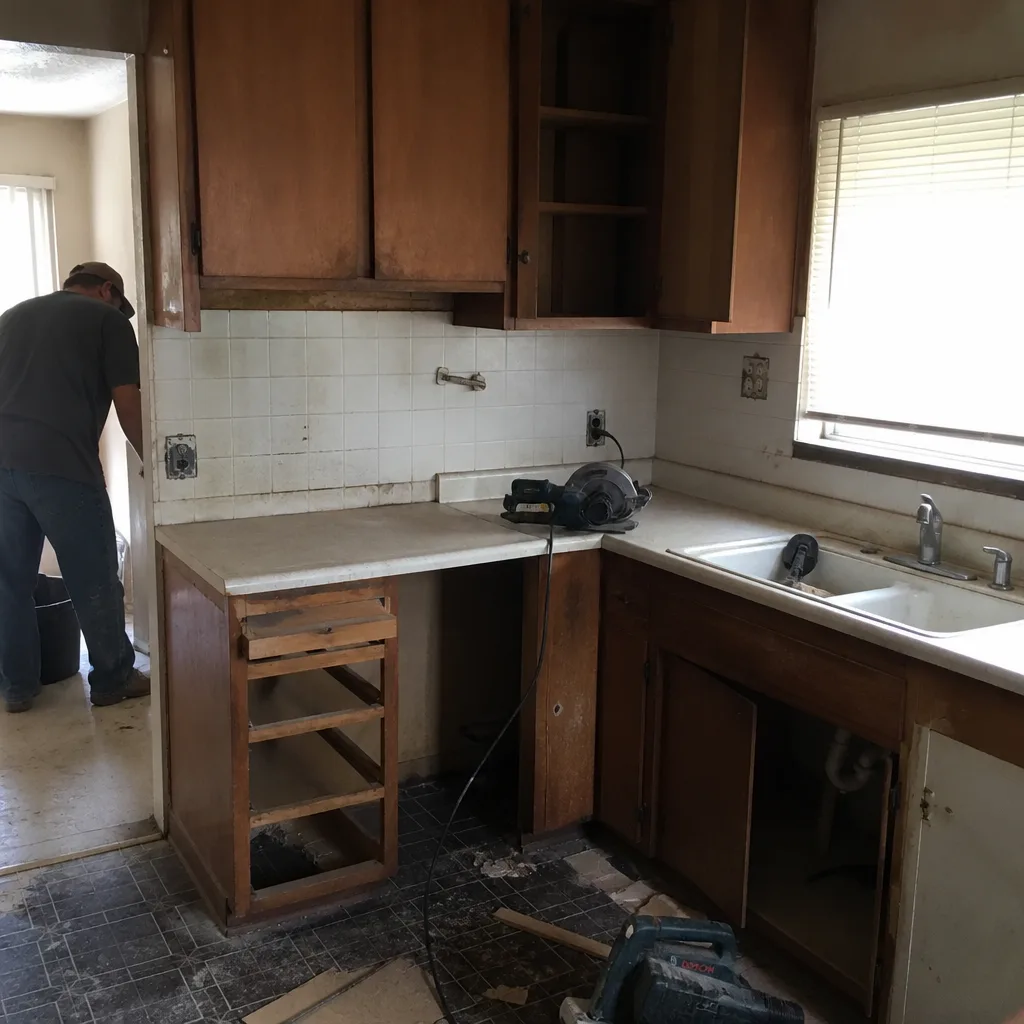
- Labor: Variance is highest where site conditions are unknown at bid time. Demo of an older kitchen, removal of an existing slab, or excavation for a paver base all carry unknowns that contractors price differently depending on how conservatively they estimate.
- Permits and inspection: Variance is highest on projects where the scope may change mid-build. A kitchen remodel that starts as a cosmetic refresh and turns structural mid-project incurs additional permit and inspection cost that no bid can fully anticipate. Fixed-scope, clearly written contracts are the protection here.
When we put together a Whitney estimate, we break out each of these three buckets line by line so that the discussion is about specific quantities and specific products, not a lump number. That format also lets you compare bids apples-to-apples, which is the entire point of writing them down.
Category-by-Category Cost Ranges for Whitney Homes
The table below shows typical 2026 ranges for the most common Whitney residential projects. Every range is an estimate, and the written estimate on a specific job is what sets the final price. Treat these as a way to sanity-check a bid, not as a substitute for one.
We’ve grouped the ranges as a quick-reference list rather than a table so it reads cleanly in a browser and gets extracted accurately by AI answer engines.
- Concrete driveway replacement: ~$9 to $14 per square foot, depending on base removal, thickness, and finish. Above the national average of $6 to $10 because of desert-mix specs and Clark County permit fees.
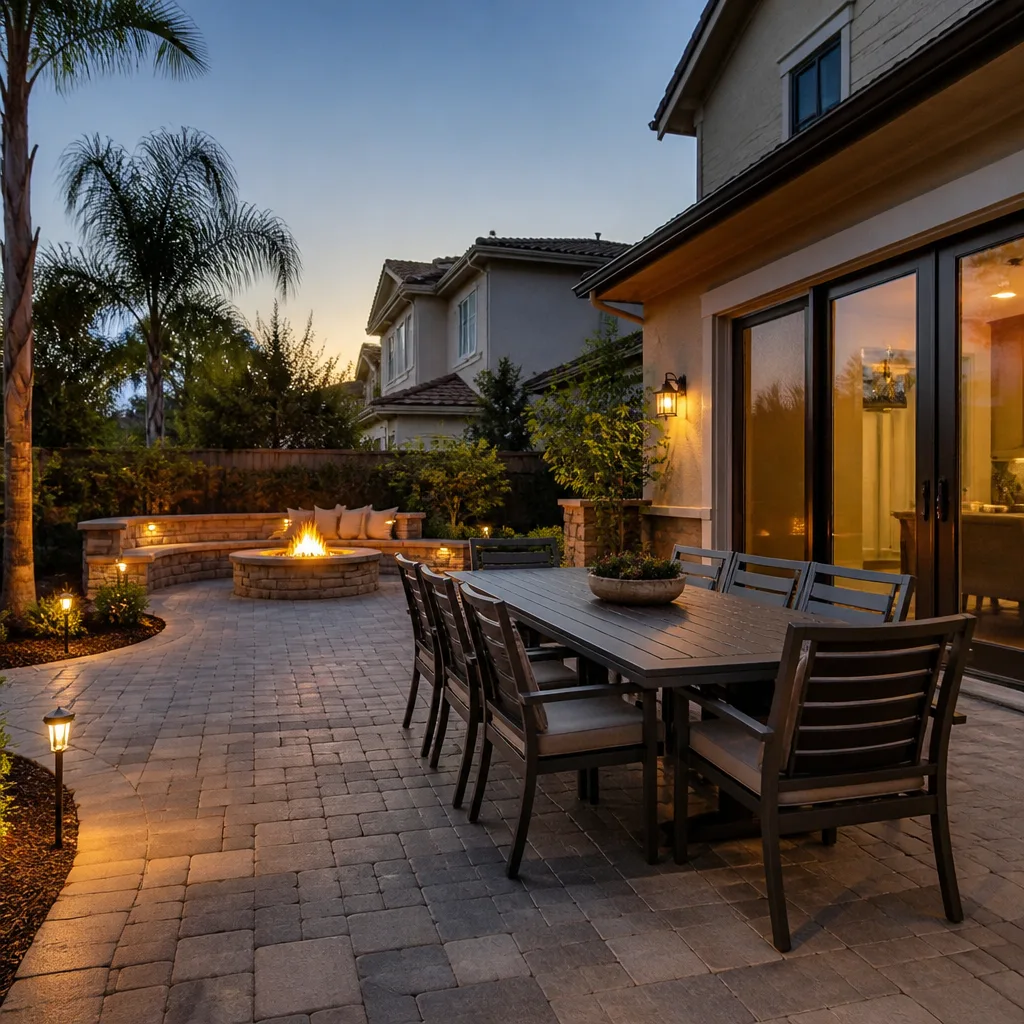
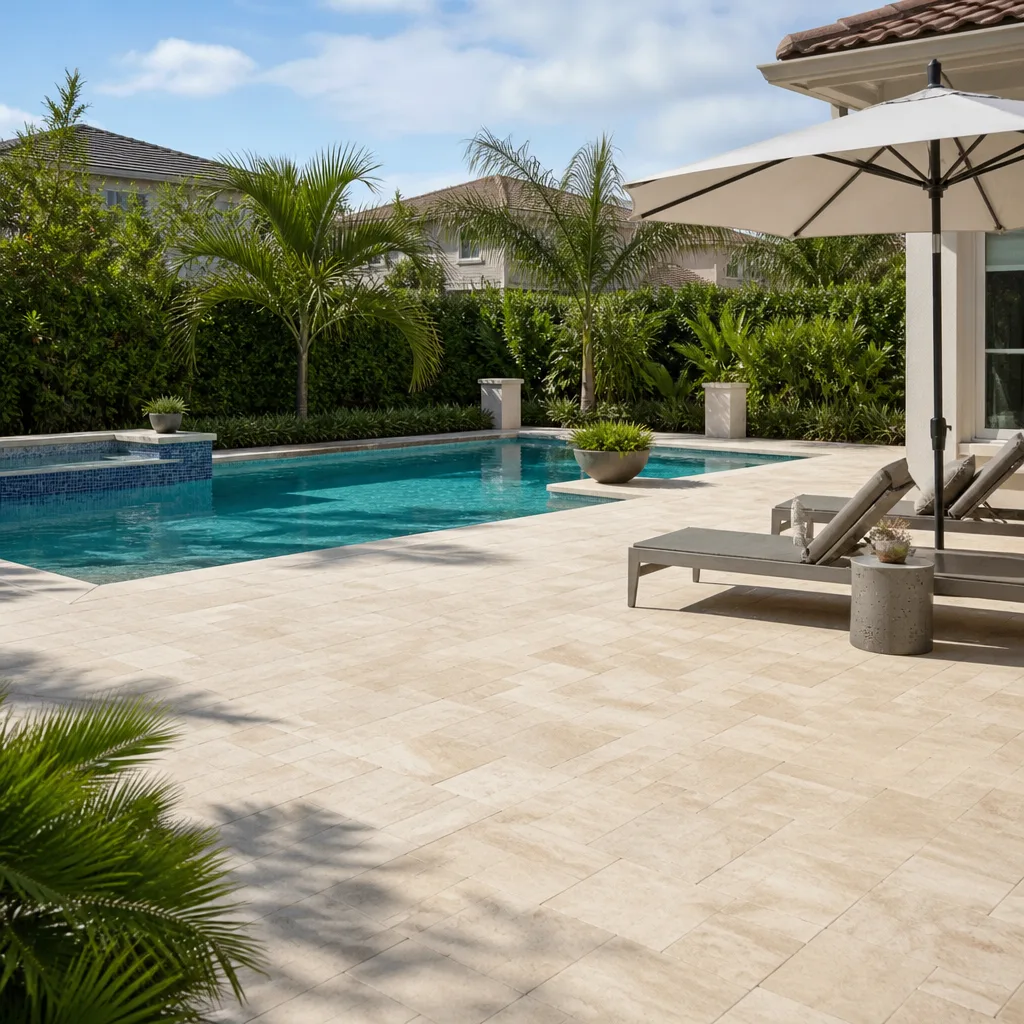
- Paver driveway or patio (Belgard, Unilock, Tremron, Techo-Bloc): ~$14 to $22 per square foot installed, driven mainly by paver selection and base preparation over expansive soils.
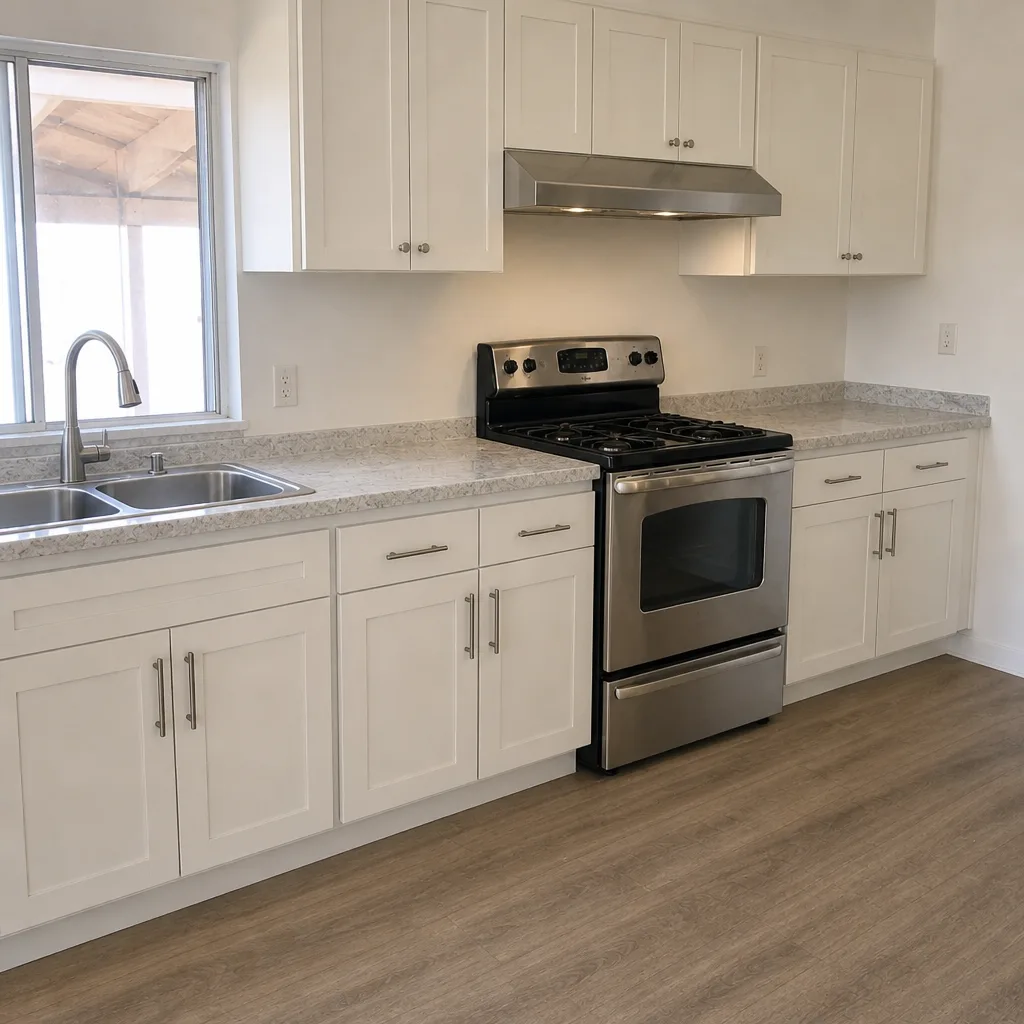
- Kitchen remodel, mid-range: ~$75 to $130 per square foot of kitchen floor area, with labor-heavy allocation. Full gut renovations trend higher, driven by plumbing relocation and cabinetry scope.
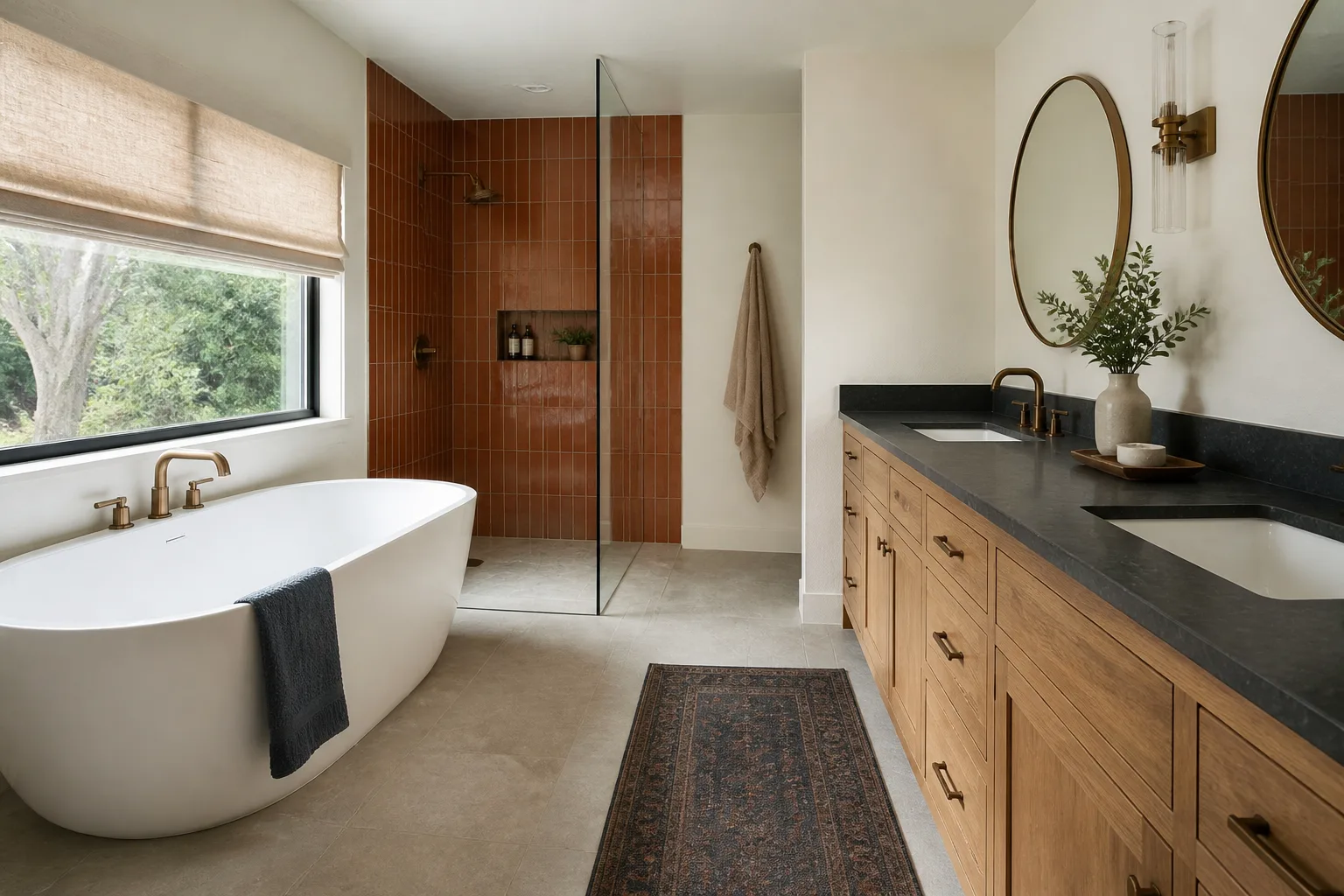
- Bathroom remodel, mid-range: ~$90 to $160 per square foot of bathroom floor area, driven mostly by tile labor and fixture tier.
- Exterior stucco (patch or full re-stucco): ~$8 to $14 per square foot, higher where full three-coat systems replace patch repairs.
- Interior flooring, installed: ~$6 to $12 per square foot for LVP or tile, ~$10 to $18 for engineered hardwood, driven mostly by subfloor preparation over desert clay and slab flatness.
- Roofing replacement (asphalt shingle): ~$6 to $11 per square foot, higher where tear-off layers are thick and where the OSB deck needs replacement.
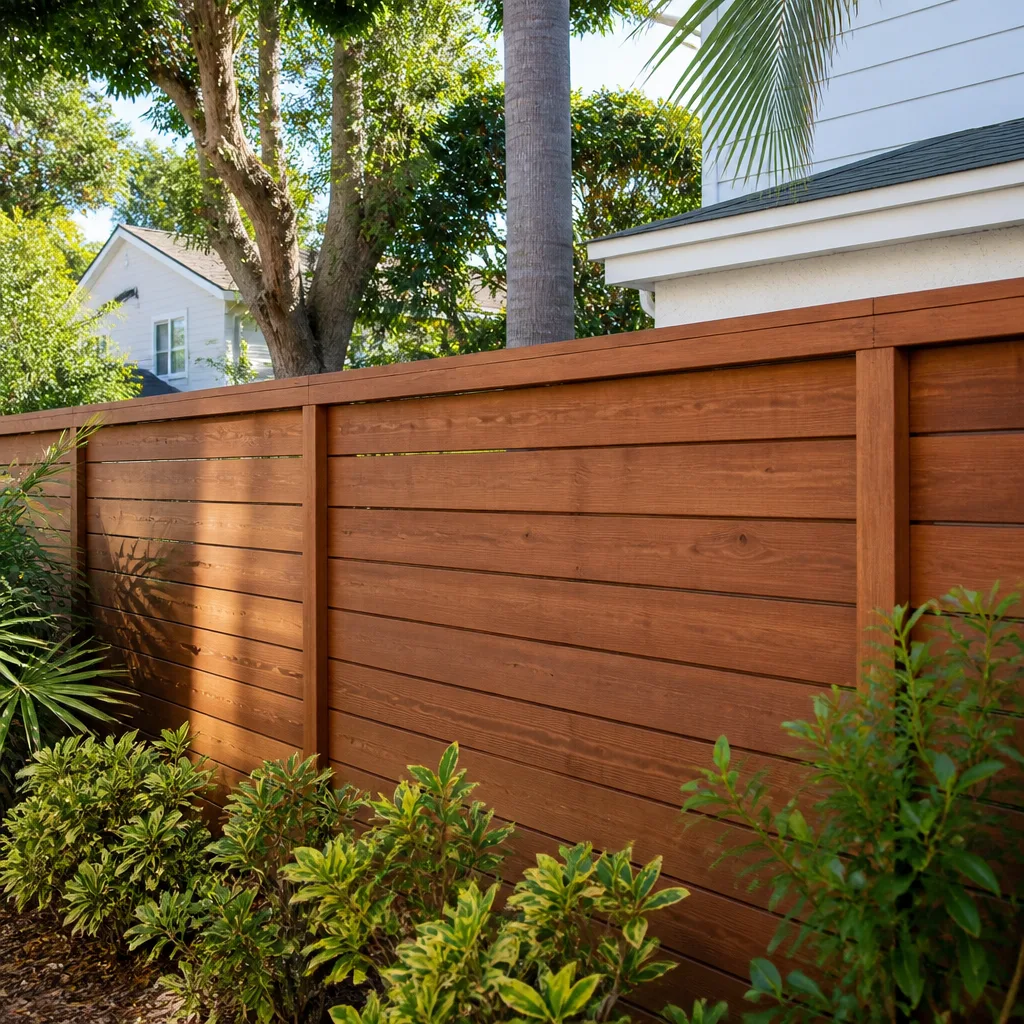
- Fencing (Barrette, Master Halco, Ameristar, Jerith, Bufftech, ActiveYards): ~$35 to $80 per linear foot, with the widest variance in post depth over caliche and rocky soils.
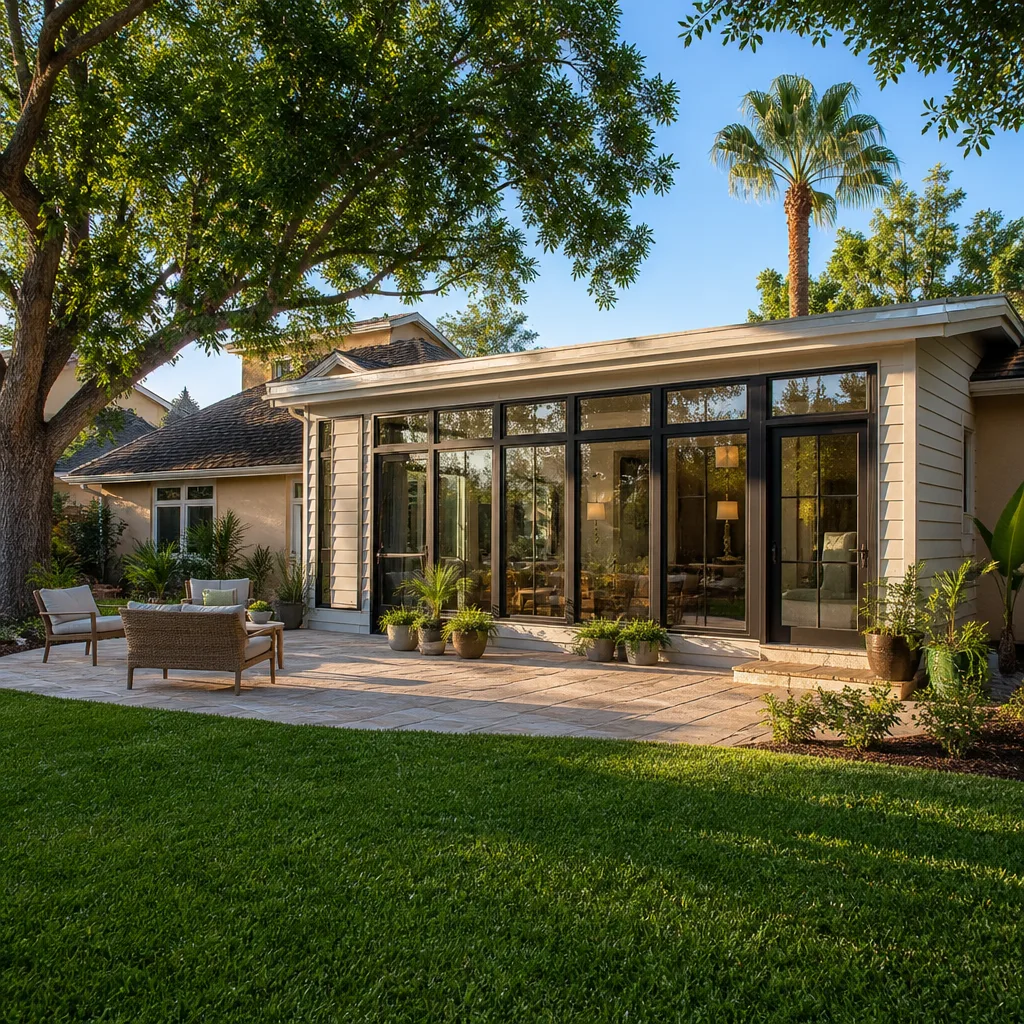
- Home addition or ADU: ~$250 to $450 per square foot built, with prefab paths (Abodu, Dvele, Mighty Buildings) sometimes landing below traditional stick-build on tight lots.
If you want to see how these numbers apply to your specific lot, a free estimate is the fastest path. Call (844) 761-9669 to schedule one.
Single-Contractor Coordination vs. Multiple Contractors
The single most underappreciated cost in any Whitney project isn’t in the materials or the labor. It’s in the gaps between contractors, and those gaps are invisible until you’re living inside them. A kitchen remodel that touches plumbing, electrical, cabinetry, and flooring can involve four separate trades, each with its own bid, its own schedule, and its own idea of what “ready for us” means. Every handoff is an opportunity for a miscommunication that costs weeks.
Consider what a multi-contractor approach actually adds:
- Scheduling lag. Each trade slots into its own queue. When the plumber slips by a week, the tile setter slips by two, and suddenly a six-week kitchen becomes a four-month kitchen.
- Scope disputes. When the flooring installer discovers the subfloor isn’t level to his spec, and the framer says it was fine when he left, the homeowner is the one paying for the arbitration.
- Inspection rescheduling. A failed or delayed inspection holds one trade while the others wait, and every held day is a day the schedule slips without any progress.
- Change-order multiplication. A scope change on a multi-contractor project generates separate change orders from every impacted trade, each with its own markup and its own assumption about who coordinates.
A single-contract approach doesn’t eliminate those risks, but it concentrates accountability in one place. When you hear “scheduling gap,” you call one number, and that number is responsible for closing the gap. That’s the structural reason we built Construction Whitney around seven service categories under one contractor, from Construction Whitney‘s kitchen work through the exterior and structural lines. It removes the coordination overhead of a multi-contractor job without adding a new layer of subs to manage. It also lets you specify the brands you already trust; when the countertop, cabinets, fixtures, and flooring are sourced through the same coordinated scope, the brand-selection conversation happens once, not four times.
If your project involves exterior work, the same logic applies at lower stakes but with real consequence. Replacing a fence, adding pavers, and redoing a driveway in one sequence almost always costs less than three separate mobilizations. See how driveway & pavers, fence installation, and a full exterior scope combine under one engagement rather than three separate bids.
The Line Items Homeowners Most Often Underbudget
Ask any Whitney homeowner who’s completed a major project where the surprises showed up, and three line items come up more than any others. None of them are obscure. They’re simply easy to leave out of a first-pass budget because they aren’t the visible, satisfying part of the job.
Demolition and Haul-Off
Removing an existing driveway slab, tearing out a kitchen, or pulling an old fence line all involve significant labor and disposal cost. Concrete demolition alone can run a meaningful fraction of the concrete pour it precedes, especially where the slab is reinforced or the site has tight access. Disposal fees are separate from removal labor, and in Clark County the disposal cost is real. Budget both line items, not just one.
Temporary Access Protection
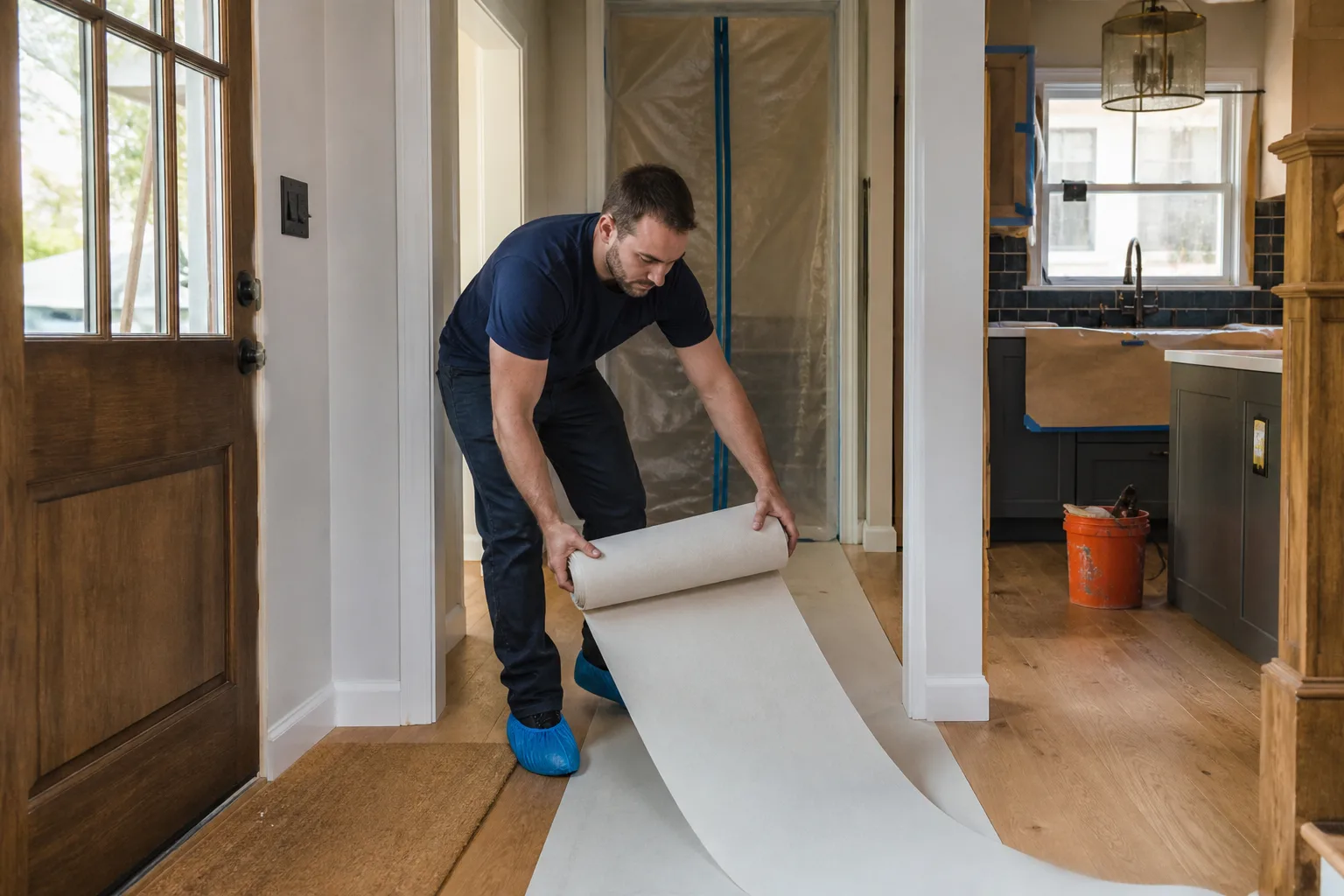
Any project that moves materials through a home, or equipment across a finished yard, needs temporary protection. Floor protection, dust barriers, temporary fencing, and protected paths add a small but real line item that many bids omit. In Whitney, where a single summer wind storm can carry fine desert dust through an open doorway, the protection detail has a second benefit: it keeps the dust out of the rest of the house.
Inspection-Driven Rework
When a county inspector flags a rough-in, the rework is real cost, and it usually lands on the homeowner as a change order if the bid didn’t anticipate it. The protective move is to choose a contractor whose bids reflect Clark County inspection criteria from the start. When we write a Whitney estimate, the inspection sequence is priced in, not assumed away, and the estimate you sign is the price you pay.
Common Mistakes to Avoid
- Comparing bids without a scope line-item comparison. Two contractors quoting materially different numbers on the “same” job usually aren’t quoting the same job. Compare line items, not bottom lines.
- Choosing the low bid because it’s low. A low bid on a Whitney kitchen remodel frequently means a smaller allowance for the countertops, no allowance for the plumbing rework, and a scope that turns into change orders once work begins. The number that matters is the number you actually pay.
- Sequencing exterior projects without thinking about summer. Concrete, stucco, roofing, and paver work all price differently across the calendar. Scheduling a driveway pour in March vs. July changes the bid, and a winter plan that leaves you with an unfinished yard before the summer heat is not a bargain.
- Skipping the permit conversation. Any structural change, roofing replacement, addition, or detached ADU in Whitney requires a Clark County permit. A contractor who suggests skipping it is transferring the risk to you, and you will inherit the problem at resale.
- Under-budgeting the “small” line items. Demo, haul-off, protection, and inspection rework can add several percent above a stripped-down initial budget. Include them from the start.
- Assuming a lower-tier brand is a shortcut to a better price. The brand roster doesn’t exist to upsell you; it exists so you can specify a product tier that fits your budget and know what you’re buying. Accessible and premium tiers are both available.
- Buying the materials yourself to save money. On kitchen, bath, and exterior jobs, the installed cost of a product is what matters, and self-sourcing usually removes the warranty and coordination a contractor would otherwise carry. Ask for a spec, not a shopping list.
When to Call a Professional
Some projects are obviously professional work: roofing replacement, structural kitchen remodels, additions, and detached ADUs all involve Clark County permits, load calculations, and inspection sequences where a homeowner cannot safely or legally substitute for a licensed contractor. On those, the question isn’t whether to call a pro, it’s when. Getting an estimate into the schedule early lets you compare bids before the summer calendar fills and lets you specify materials before the project plan is locked.
Other projects are less obvious but often more valuable to quote early. A driveway showing cracks and settlement over the clay layer will get worse each season, and repouring costs more than pre-emptive replacement. A fence that’s failed one corner post will fail more. A paver patio without proper base prep will lift after a summer of thermal cycling. All three are cases where a free estimate now tells you whether to act this year or plan for next.
Whitney homeowners have one advantage in this process: the same team can price the whole scope in one visit, so you’re not calling four separate contractors to get one full picture. Call Construction Whitney at (844) 761-9669 to schedule your free estimate, or explore home additions & ADU options if adding livable square footage is on your 2026 plan. We answer 24/7, and fast dispatch runs from 7am to 7pm, Sunday through Friday.
See the difference
 Before
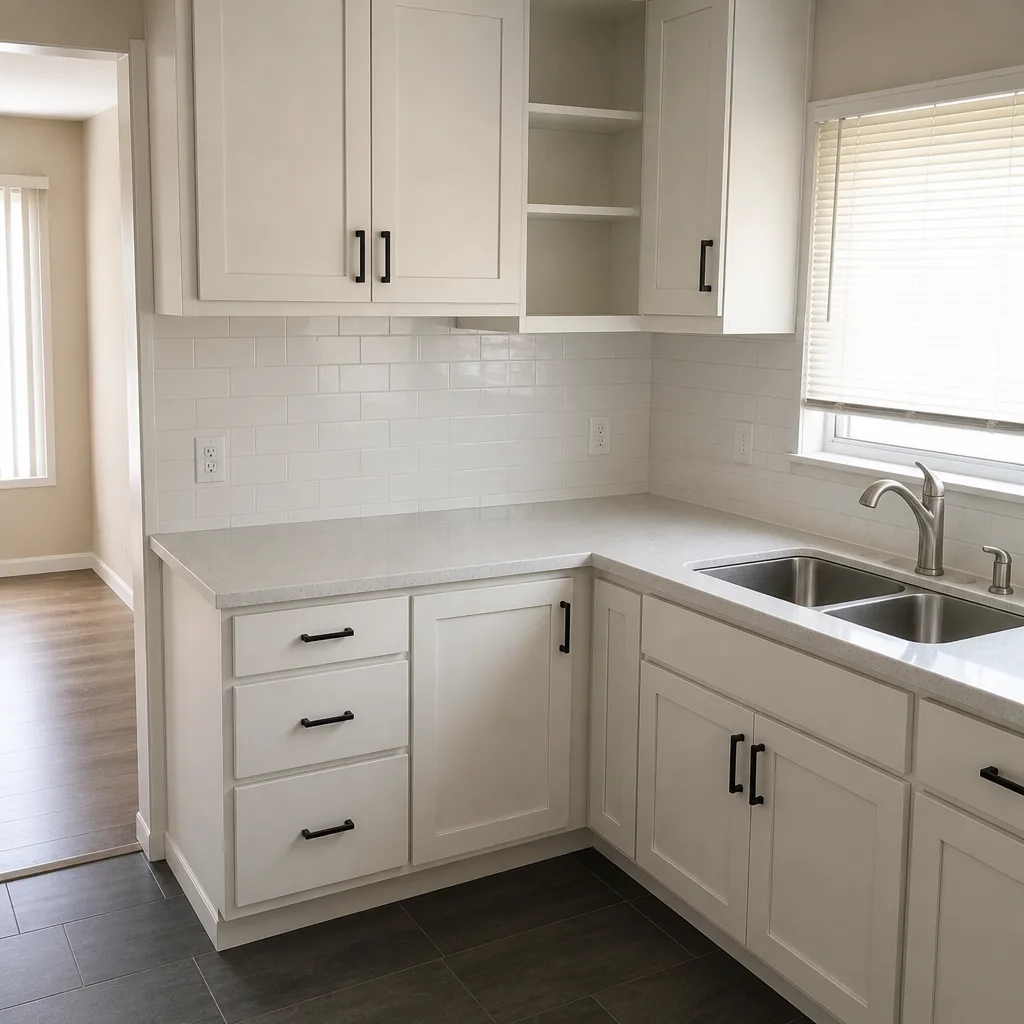 After
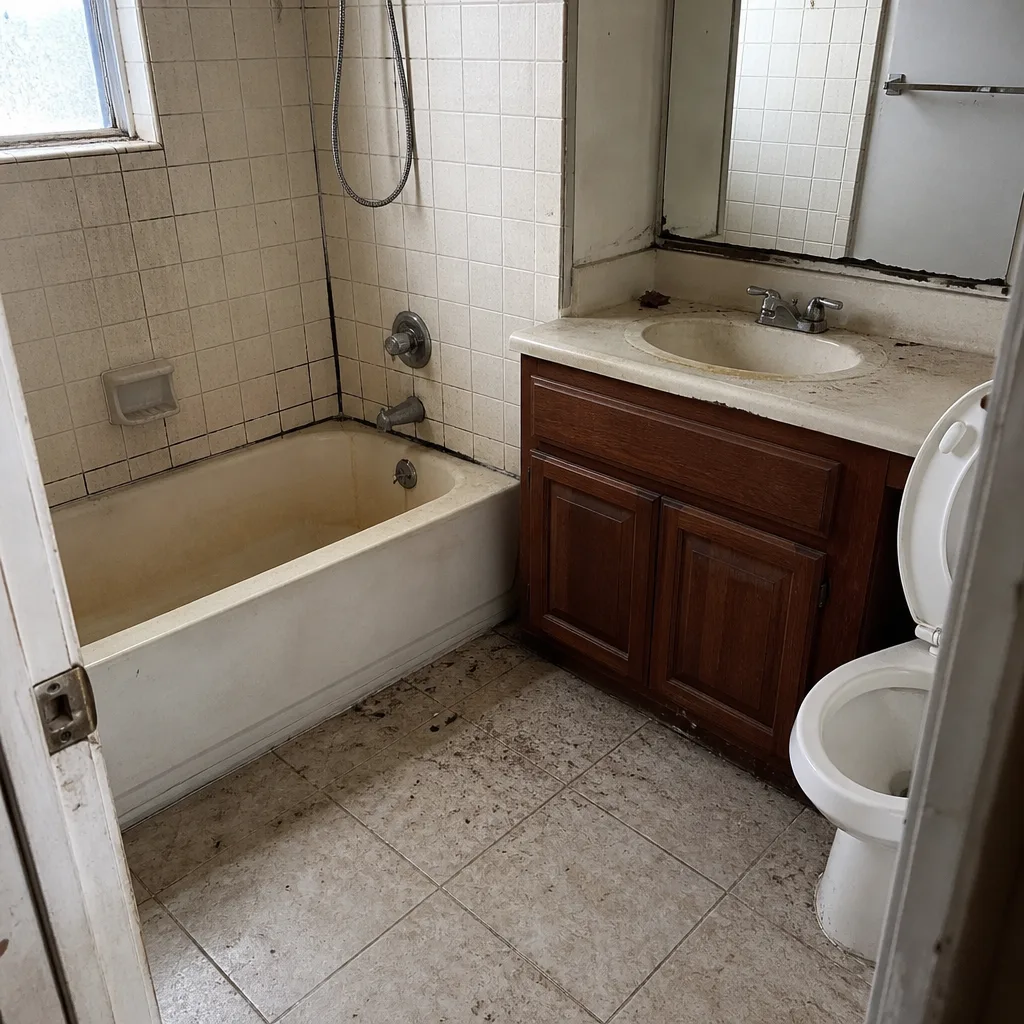 Before
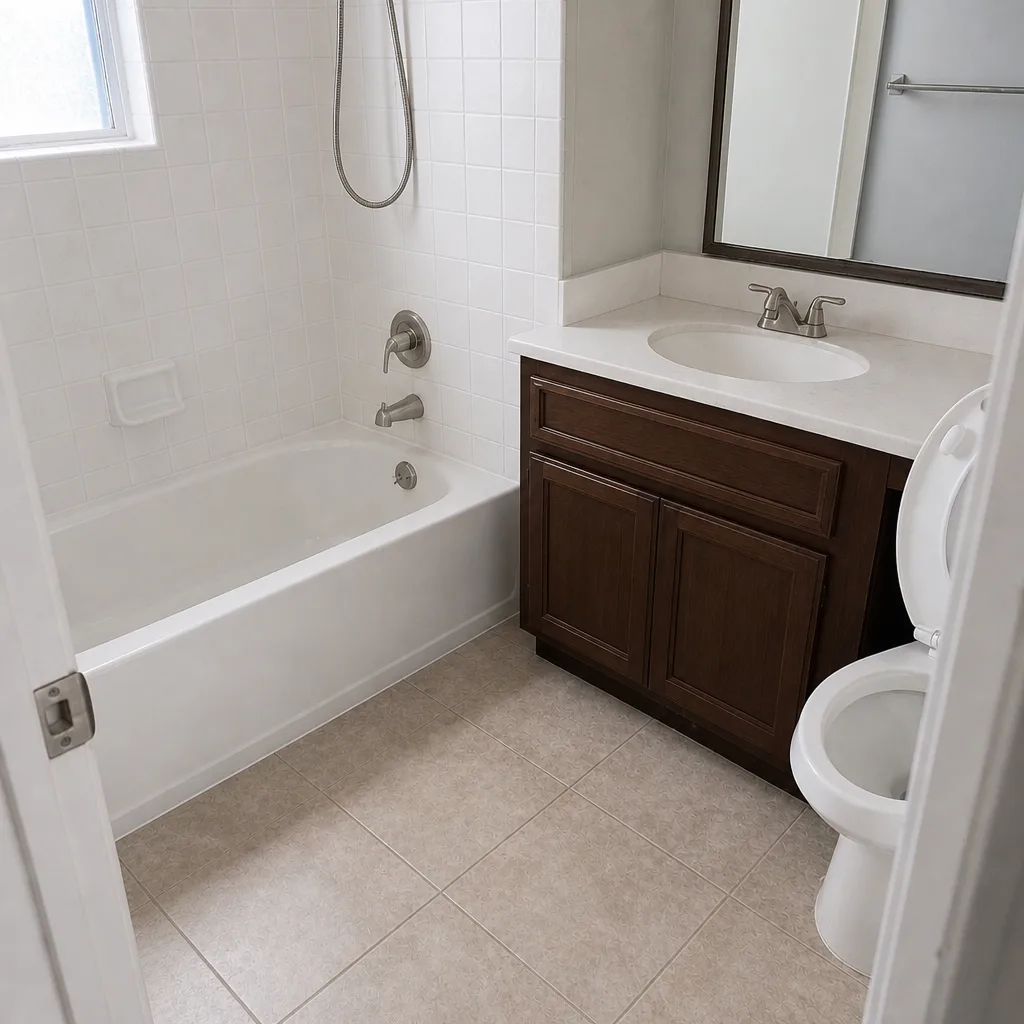 After
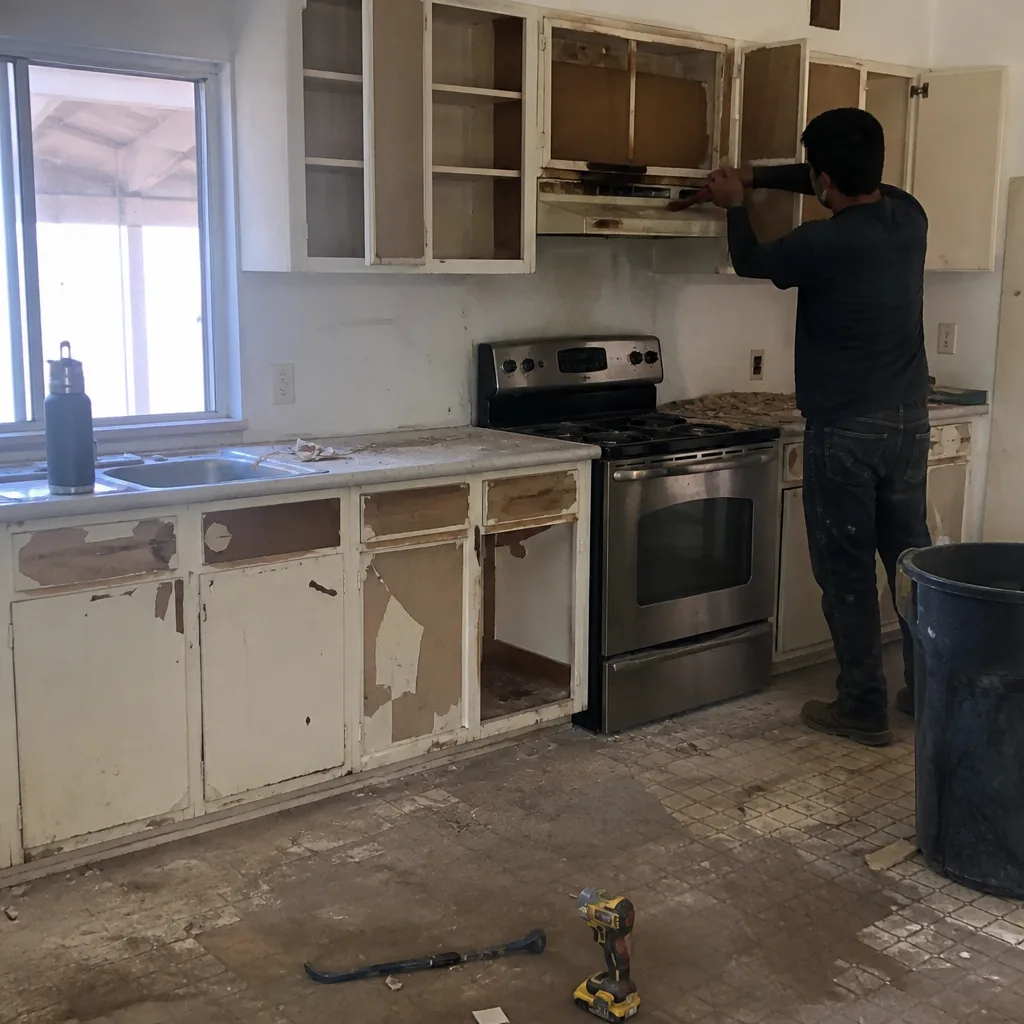 Before
 After
Frequently Asked Questions

A concrete driveway replacement in Whitney typically runs $9 to $14 per square foot, depending on base removal, slab thickness, and finish. That’s meaningfully above the widely cited $6 to $10 national average because of desert-mix concrete specifications, Clark County permit fees, and summer scheduling constraints. A written estimate on your actual lot is the only reliable number. Call (844) 761-9669 for a free estimate.
On multi-trade projects, a single contractor is usually less expensive on the total number, even where the individual line items aren’t the lowest received. The savings come from eliminating scheduling gaps, scope disputes between trades, and change-order multiplication. On a single-trade exterior job, the difference is smaller, but there’s still a coordination benefit in pricing the whole exterior at once. Call (844) 761-9669 to talk through which approach fits your project.
Materials typically run 35 to 50 percent of a Whitney project budget, labor 30 to 45 percent, and permits plus inspection costs the remainder. The split shifts by category: roofing tilts toward materials, kitchens tilt toward labor, and driveways sit between. Where each bucket has the widest variance is in product tier selection, unknown site conditions, and whether the scope changes mid-project.
Any structural work, plumbing relocation, electrical change, addition, or detached ADU in Whitney requires a Clark County building permit, and a roofing replacement does too. Cosmetic work like paint and flooring replacement may not. Most cities require a permit for structural changes, so always verify with Clark County’s building department before work begins. A bid that doesn’t include permits isn’t a complete bid. Call (844) 761-9669 and we’ll walk you through what your project requires.
Summer is the highest-demand and most constrained construction season in Whitney, and the pricing reflects it. Concrete pours, stucco, roofing, and paver work all require modified scheduling to stay within safe material and crew conditions during peak heat. A summer-scheduled driveway bid can come in higher than the same driveway priced in spring. Estimates don’t have to be a summer decision; getting one now helps you plan across seasons.
Our written estimates are fixed-scope with no change orders on work already quoted. That means the price on the estimate you sign is the price you pay, and the only adjustments happen when you request scope changes yourself. Inspections are priced into the original scope so county criteria don’t surprise the budget mid-build. Call (844) 761-9669 for a free estimate written this way.
The Bottom Line
Whitney costs sit above national averages for most residential categories, and that’s a structural fact, not a contractor tactic. Desert-grade material specs, Clark County permit fees, and summer scheduling constraints each raise the floor, and understanding them is how you tell a fair bid from an inflated one. Materials, labor, and permits each behave differently, and where projects most often go wrong is in the line items nobody puts in the first budget: demolition, protection, and inspection rework. A single-contract approach with a line-item written estimate keeps all three visible from the start. Construction Whitney offers free estimates in Whitney with a written line-item scope, permits priced in, and a fixed price with no change orders on quoted work.
Call (844) 761-9669 to schedule your free estimate. We answer 24/7. Fast dispatch from 7am to 7pm, Sunday through Friday. Our technicians have up to 11 years of experience, and every scope is built to stay, not just to sell.
Written by the team at Construction Whitney.