Last updated November 18, 2026


Free written scope consultation - allowances, timeline, and change-order rules on paper before a single trade is scheduled
Driveway & Pavers Maintenance Checklist for Whitney Homeowners
Efflorescence is the one thing that fools almost every homeowner in Whitney. That white chalky bloom across the pavers shows up 12 to 18 months after installation, and it looks like the material is failing or the installer used a bad batch. It isn’t either of those things. It’s the alkaline groundwater in this valley working its way up through the slab and drying on the surface, and if you attack it with the wrong cleaner you’ll drive the minerals deeper and etch the face of the paver at the same time. This guide walks through the three failure modes we actually see in Whitney, a quarterly inspection calendar built around our real seasons rather than a generic four-season template, and the difference between surface wear you can restore and base failure that means removal. Mentioning Whitney once is a promise we can’t keep.
Quick Answer
Driving and paving maintenance in Whitney comes down to three things: controlling efflorescence with the right cleaner, keeping joint sand topped up so flash-flood runoff doesn’t wash the bedding out, and checking edge restraint twice a year because the sandy sub-base here shifts more than most homeowners expect. A quarterly walkthrough, correct sealing for high-UV desert exposure, and early repair of isolated cracks will extend the life of a driveway or paver surface by years. Left alone, joint sand loss and thermal cracking compound quickly once summer arrives.
Styles & brands we work with
- Kitchen remodeling
- Bathroom remodeling
- Home additions & ADU
- Roofing
- Windows & doors
- Driveway & pavers
- Fence
Table of Contents
- The Three Failure Modes That Hit Whitney Pavers Hardest
- Efflorescence: What It Is and How to Treat It Correctly
- A Quarterly Inspection Calendar Built for Whitney’s Seasons
- Joint Sand Displacement and Flash-Flood Runoff
- Thermal Expansion Cracking Above 110°F
- Choosing a Sealer for High-UV Desert Exposure
- Edge Restraint Checks on Sandy Desert Sub-Base
- Cosmetic Wear vs. Structural Base Failure
The Three Failure Modes That Hit Whitney Pavers Hardest
Most paver care advice was written for temperate climates with neutral soil and predictable rainfall. Whitney is none of those things. The valley’s alkaline groundwater, summer temperatures that regularly push past 110°F, and the occasional flash-flood runoff coming off the surrounding terrain create a deterioration pattern that a generic checklist will miss.
The three failure modes we see most often:
- Efflorescence. Mineral salts migrating to the surface as moisture moves through the base and the paver. Common in Whitney within 12 to 18 months of a new installation, and more of a chemistry problem than a cleaning problem.
- Joint sand displacement. The sand between pavers is what locks the units together. Hard, fast runoff from a monsoon-season storm scours it out, and once it’s gone the pavers start to shift underfoot and rain gets into the bedding layer.
- Thermal expansion cracking. Pavers expand and contract with the daily temperature swing here. Units laid without enough joint space, or a driveway poured tight against a fixed object with no room to move, will crack at the weak point rather than flex.
Each one has a different fix, and mixing them up is where money gets wasted. We’ve walked plenty of Whitney properties where a homeowner spent a weekend power-washing efflorescence they thought was dirt, only to drive the salts back into the surface and open the pores of the paver to more staining. Knowing which failure you’re looking at is the whole game. Our driveway & pavers work starts with that diagnosis before anything gets cleaned or sealed.
Efflorescence: What It Is and How to Treat It Correctly
Efflorescence is the white, powdery staining that appears on the face of pavers when water carrying dissolved salts reaches the surface and evaporates, leaving the minerals behind. In Whitney it’s a predictable reaction to alkaline groundwater, not a product defect, and it appears on everything from entry-level concrete pavers to premium Belgard and Tremron units. If the installer used a quality product, the chemistry of this valley will still produce it.
What actually works:
- Confirm it’s efflorescence. It dissolves in water; a stain that doesn’t soften when wetted is probably mineral staining from metal or irrigation water, and needs a different approach.
- Wait for a dry, cool window. Treatment works best when the surface has been dry for several days and temperatures are moderate, not in the middle of a 110°F afternoon.
- Use a dedicated efflorescence remover. These are mildly acidic products formulated for masonry. Household white vinegar is often recommended online, but the concentration needed to break down heavy salt bloom on a desert surface can etch the paver face if left too long.
- Scrub with a stiff-bristle brush, not a wire brush. Wire brushes scratch the surface and create a rougher profile that holds more dirt and salt.
- Rinse thoroughly and let it dry completely before judging the result. Some blooming comes back once as the remaining salt migrates out; if it returns repeatedly, that’s a moisture source problem, not a cleaning problem.
Avoid muriatic acid unless a professional is applying it, and never mix it with anything else. On a Whitney property the goal is removing the salt and managing the moisture underneath. Slapping a sealer over efflorescence traps it and locks in the problem. If blooming keeps returning after two or three treatments, the base is staying wet and the source needs to be found.
A Quarterly Inspection Calendar Built for Whitney’s Seasons
A generic four-season checklist is close to useless in Whitney because our seasons don’t look like the ones in the article templates. Spring and fall are the working windows. Summer is the stress-test period. Winter is when runoff does its damage. Here’s what to look at, and when.
Spring (March – May): The Repair Window
This is the best time to treat efflorescence, refill joint sand, and address any cracking that opened over winter. Do a full walkthrough of the driveway, walkways, and patio. Mark every wobbly paver and every crack with chalk so you can track whether a repair actually holds. If you’re considering a new surface or an upgrade, spring is the season for it. It’s also a sensible time to look at the rest of your exterior while you’re paying attention to it; our fence installation work is often scheduled alongside a hardscape refresh so the whole exterior gets visited once.
Summer (June – September): The Watch Period
Don’t plan heavy work now. This is when thermal movement peaks and when cleaning chemicals dry far too fast. Keep an eye out for new hairline cracks, sunken spots near the garage apron, and joints opening up. Note them and wait for fall to fix them. Run irrigation in the early morning so the driveway has time to dry, and keep sprinkler heads off the pavers entirely; they cause the worst mineral staining we see.
Fall (October – November): The Prep Window
Refill joint sand before monsoon runoff and winter rains arrive. Re-seal if the surface is due. Tighten or replace edge restraint that has loosened. Clear the driveway of leaf debris so it doesn’t hold moisture against the surface. Fall is also the last good window for any crack repair before cold nights arrive.
Winter (December – February): The Runoff Check
Watch the low spots. Whitney gets occasional flash-flood runoff, and a driveway with a slight dip near the street will collect water and let it sit against the base. Check after every rain event and clear any debris from drainage channels. Confirm joint sand is still in place after any significant storm. If you find localized ponding after a storm, that’s worth a call.
Joint Sand Displacement and Flash-Flood Runoff
Joint sand is the layer of fine sand between pavers that locks the units together and stops water from getting under them. In Whitney, fast-moving runoff from a monsoon storm can scour it out in a single event. Once it’s gone, the pavers start shifting, water reaches the base, and the whole system loosens. This is the single most preventable failure on the list.
What to check:
- Depth of the joint. The sand should sit just below the paver surface, not at the top. If you can see more than a quarter inch of empty joint, it needs topping up.
- Washed-out lines after a storm. Long clear streaks where the sand is missing are a sign runoff ran across the surface too fast. Those are the lines to refill first.
- Wobbly pavers near edges and low points. A paver that rocks when stepped on usually means the joint sand has failed and the bedding below has shifted.
Refilling is a straightforward job but the sequence matters. Sweep dry, fine joint sand across the surface, do it on a dry day so the sand falls cleanly into the joints, work it into the gaps with a rubber mallet and a stiff broom, and wash the surface off only after the joints are full. Do it before the storm season, not after. Foam padding on the paver joints used to be the standard for joint stabilization, but in desert conditions the sand itself is usually the simpler fix.
If a storm has stripped sand across a large section and left the base exposed, the bedding layer may need re-leveling, and that’s a job for someone with the right tools. Get a free estimate before the next storm season hits.
Thermal Expansion Cracking Above 110°F
Pavers are designed to move. When summer temperatures in Whitney climb past 110°F, the surface of a paver can be twenty or more degrees hotter than the air, and the units expand slightly. The joint sand and the edge restraint give them room to move. Cracked pavers in Whitney usually mean that room wasn’t built into the installation, or something has since been placed against the surface that removed it.
Common culprits:
- A driveway poured tight against a metal gate post, utility box, or fixed threshold with no expansion gap.
- Pavers butted directly against the garage apron, with no joint space letting them flex.
- Missing or fallen edge restraint that lets the outer course push out until a paver cracks.
- Heavy vehicle traffic on a patio or walkway not built for it.
An isolated cracked paver can usually be lifted, replaced with a matching unit, and re-sanded. If the cracking is running across the surface in a pattern, that’s a sign of movement at the base and needs a closer look. We keep access to the full Unilock and Techo-Bloc systems, so matching an existing paver is usually straightforward if you’re looking to repair a section. If your existing pavers are older or discontinued, a nearby matching run can sometimes be found at a stone yard, but you’ll want to bring a sample.
The longer a thermal crack sits open, the more water gets in, and the more the base moves. Patch cracks before they turn into a section replacement.
Choosing a Sealer for High-UV Desert Exposure
An acrylic film-forming sealer is the wrong product for a Whitney driveway. It’s what most generic guides recommend, and it’s what holds up in cooler, wetter climates. Here the UV load degrades the acrylic film quickly, the film blisters and peels, and the surface color shifts unevenly. On top of that, a film-former over a surface still producing efflorescence locks in moisture and drives the salt into the paver. What works better here is a penetrating siloxane or silane-siloxane sealer formulated for high-UV, high-temperature masonry.
How to choose:
- Look for penetrating, not film-forming. Penetrating sealers soak into the paver face and repel water without leaving a coating that can peel or scuff.
- Confirm it carries a UV stabilizer. Desert-grade products usually state this on the label. A sealer without it will yellow or chalk under summer UV.
- Match the finish to the space. A natural look on a driveway is usually the right call. Glossy finishes show every tire mark and dust layer in this climate.
- Check the temperature window. Most desert-grade sealers need application in the 60 – 80°F range. Do it in spring or fall, not July.
- Wait until efflorescence has stopped. Sealing over a surface still producing salt bloom traps the problem and makes it much harder to fix later.
Sealing is a two-to-three-year cycle in Whitney, not the five years most product labels claim, because the sun degrades the sealer faster here. If a contractor quotes a five-year cycle on a desert driveway, ask what the product is rated for. Anti-efflorescence additives exist and are worth considering on a new installation or a fresh seal.
Sealer choice matters most on a driveway that gets sun all day. A shaded patio can get away with a lower-spec product. Matching the sealer to the exposure is the job.
Edge Restraint Checks on Sandy Desert Sub-Base
Edge restraint is the hidden structure that holds the outer paver course in place. In Whitney it’s doing more work than it would in most cities, because the sandy desert sub-base here shifts when it gets wet, and without solid restraint the outer course creeps outward over time. Losing that restraint is the most common cause of pavers fanning out or separating at the perimeter.
What to check, twice a year:
- Loose or lifted restraint. Press down on the edge and see if it rocks. It should be rigidly anchored to the base, not sitting on top of it.
- Paver separation at the outer course. A gap between the edge paver and the next unit is usually the first sign the restraint has moved.
- Spikes and pins backing out. Metal restraint spikes work loose over time. They can be re-driven, but that’s a call for a technician unless you’re comfortable getting on your hands and knees with a hammer.
- Sandy sub-base washout under the edge. After a wet winter, look under the edge for voids where the sand has washed away. Those need to be backfilled and compacted.
- Boundary interfaces. The point where a driveway meets the street gutter, a garden bed, or a fence line is where you want the restraint doing its job most.
If you’re building or extending a driveway in Whitney, get the restraint done right the first time. It’s the cheapest part of the job and the most costly part to fix later. Retaining edge restraint properly on a sandy sub-base is a construction detail, not a maintenance decision.
Cosmetic Wear vs. Structural Base Failure
Two driveways that look equally worn to a homeowner can need very different work. One needs a clean and a re-seal. The other needs to come out entirely. Telling them apart is the single most useful skill a homeowner can develop in this climate.
Cosmetic wear is surface-level. It includes:
- Faded color from UV exposure.
- Efflorescence that dissolves in water and disappears after treatment.
- Light surface scratching or scuffing.
- Minor dust or sand on the surface after a storm.
Cosmetic wear is fixable with cleaning, sealing, and routine maintenance. It does not mean the driveway is failing.
Structural base failure is what you need to spot early. Signs include:
- Multiple pavers across a whole area sitting lower than the surrounding surface.
- Repeated re-sanding of the same joints within a season.
- Rocking pavers over a wide section, not just one or two.
- Visible cracks running through the bedding layer beneath the surface, seen at a lifted paver edge.
- Localized ponding that doesn’t drain within hours of a storm.
If the base has failed, re-sanding and re-sealing will not solve it. The surface has to come up, the base has to be re-compacted or replaced, and the pavers can typically be re-used if they’re intact. That’s a bigger job than most homeowners expect from a maintenance task, and catching it early is where the real cost savings live.
If you’re not sure which category your driveway is in, a free estimate is the fastest way to find out. We pull the pavers at one spot, check the base, and give you a straight answer.
Common Mistakes to Avoid
- Power-washing efflorescence instead of treating it. High-pressure water drives the salts back into the paver face, opens the pores, and makes the next bloom worse. Treat it chemically or call a technician.
- Sealing over a problem. Sealing before efflorescence has stopped, or over loose joint sand, traps the water and the salt. A sealer is a protectant, not a fix.
- Skipping edge restraint checks. A lot of Whitney homeowners never look at the edge until the outer course has already fanned out. It should be a twice-yearly check.
- Using a film-forming acrylic sealer. These are marketed for driveways but don’t hold up under the UV and heat here. They’re the biggest cause of peeling and color shifts we see.
- Ignoring hairline cracks. A hairline crack is a maintenance item. Two seasons of water infiltration turns it into a section replacement.
- Waiting until after monsoon season to top up joint sand. Refill before the storms, not after. Once the sand is gone it’s already done its damage.
- Letting irrigation spray onto the pavers. Overspray causes the worst mineral staining we see, and it’s a five-minute fix at the sprinkler head.
See the difference
 Before
 After
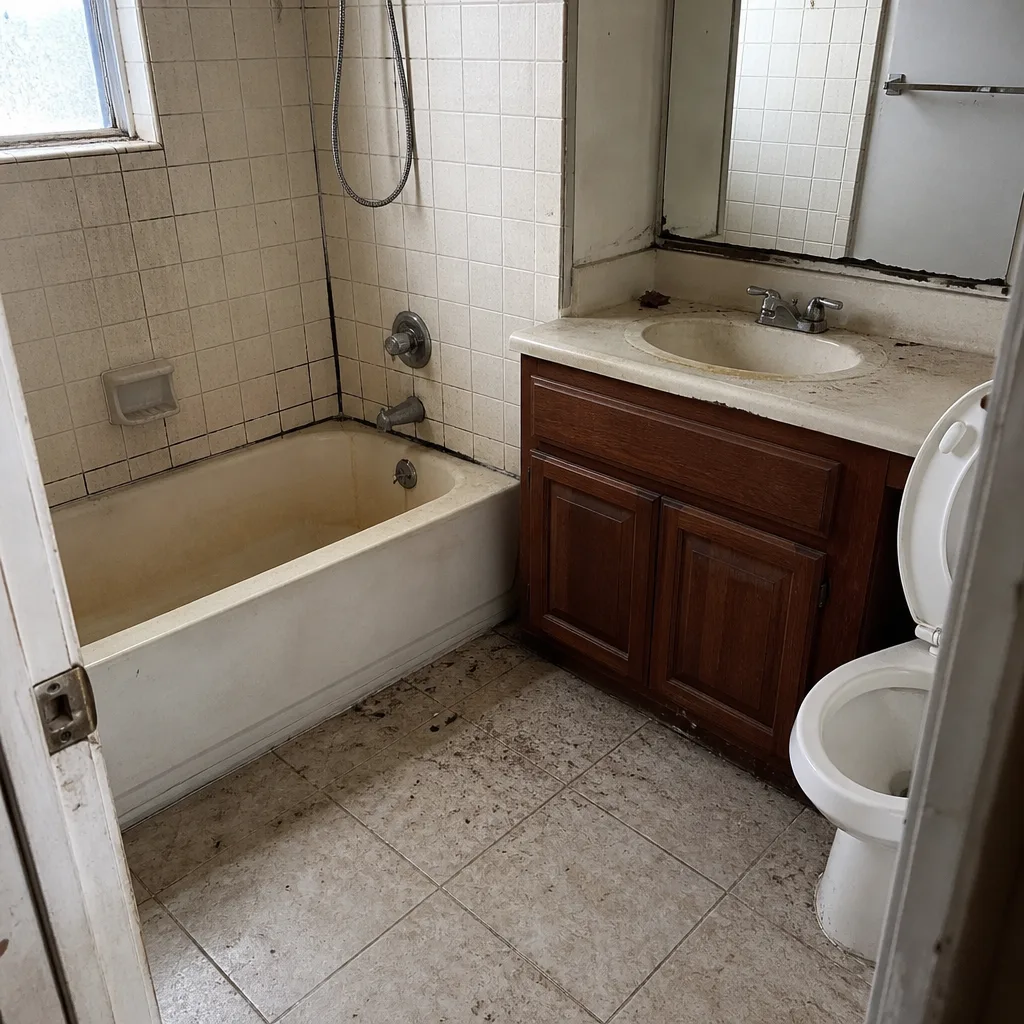 Before
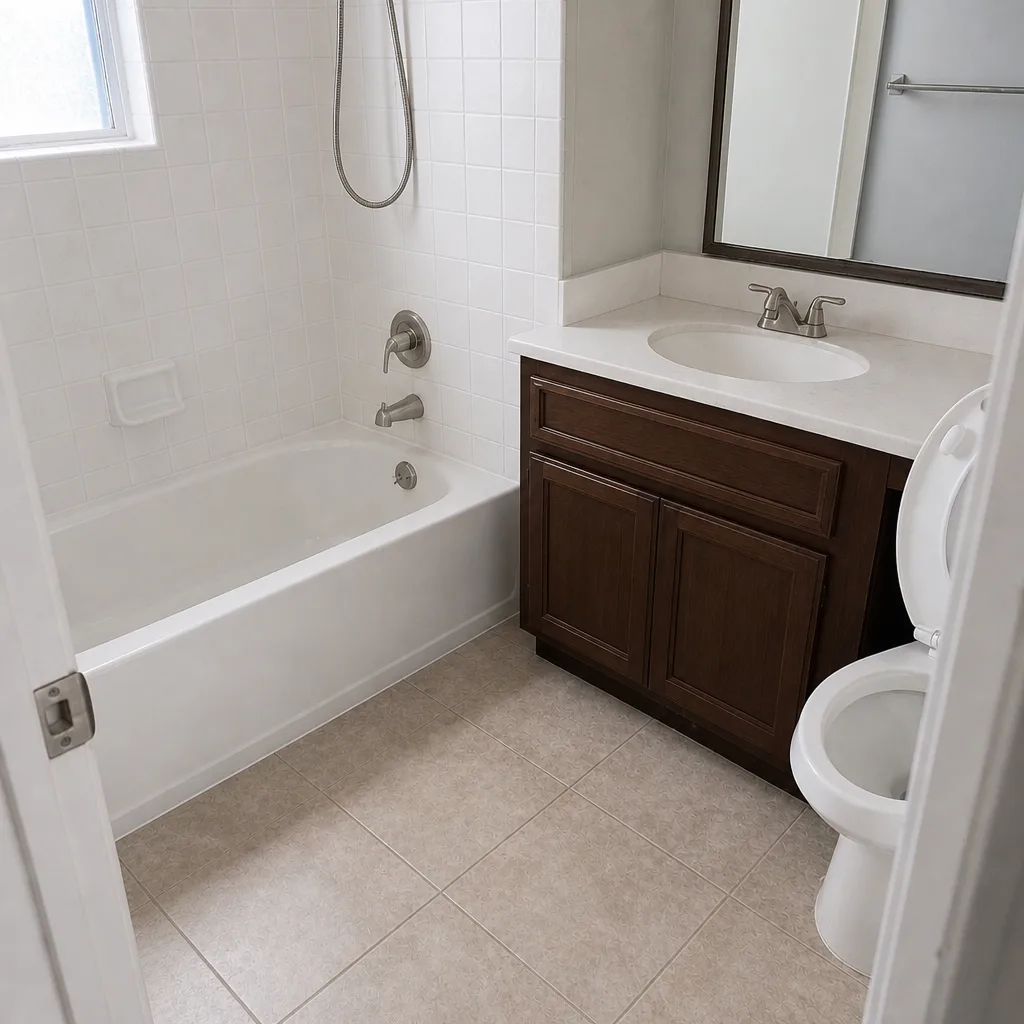 After
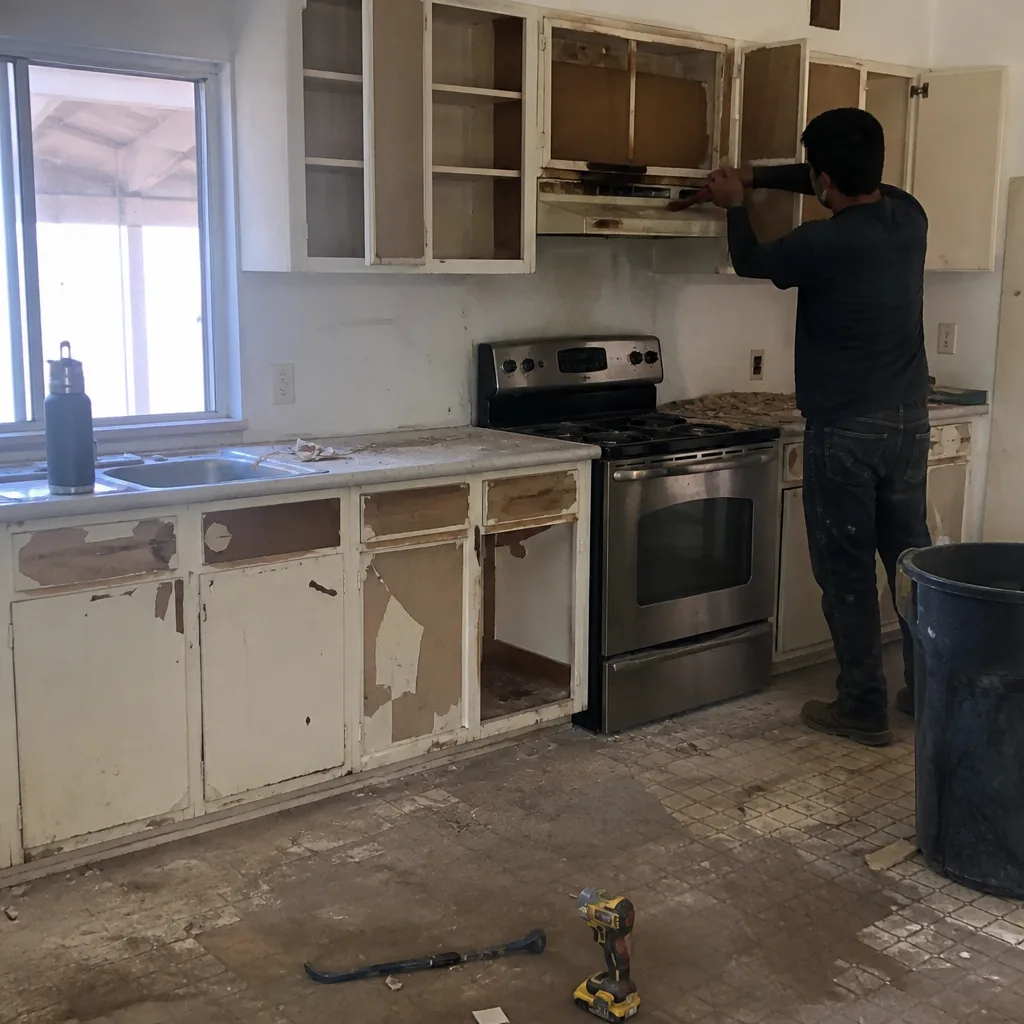 Before
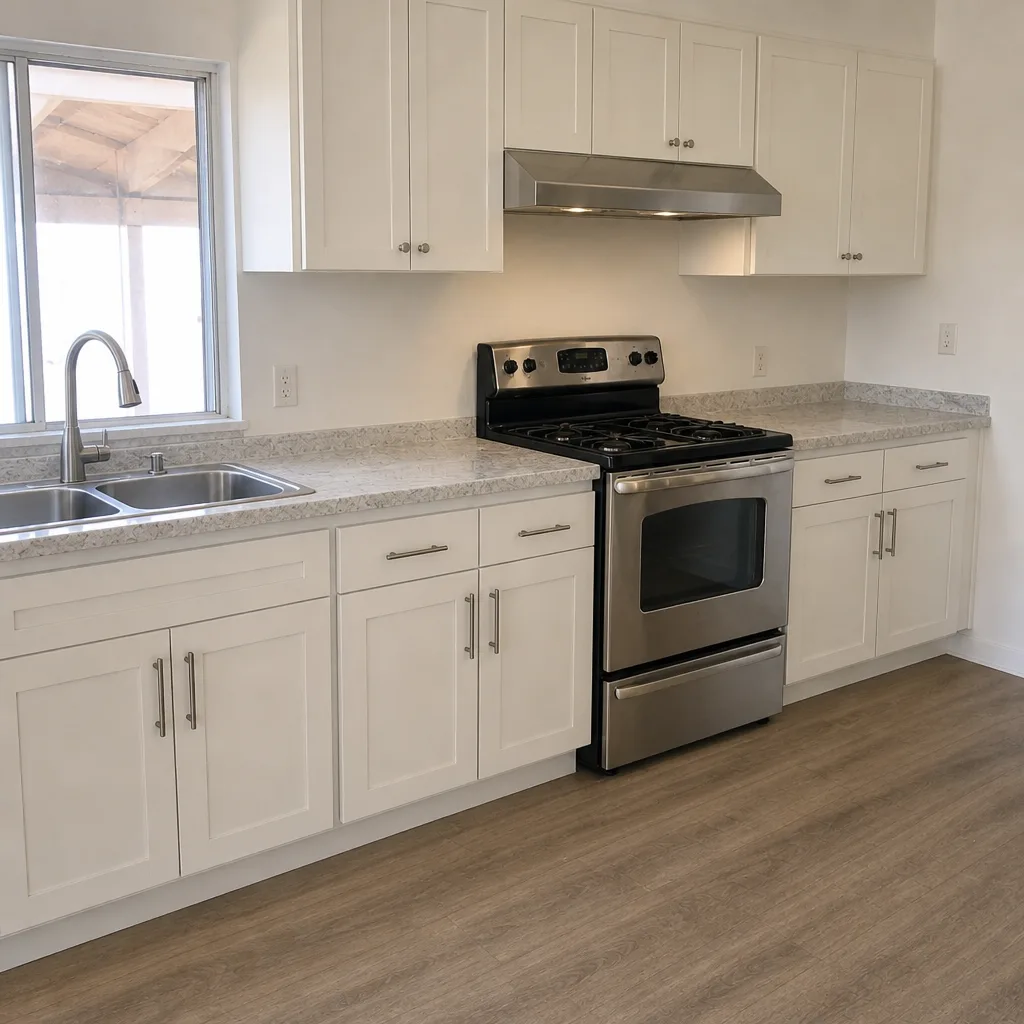 After
When to Call a Professional
Some maintenance is a homeowner task, and some isn’t. Call us when the efflorescence keeps returning after two or three treatments (that points to a moisture source you can’t see), when pavers are rocking across a section wider than a single unit, when edge restraint has pulled away and won’t stay put after a re-drive, or when a thermal crack is running across the surface rather than isolated to one paver. Those are signs the base is moving, not the surface. We’ve seen this a lot in Whitney, and the difference between a fix and a full replacement usually comes down to how quickly it gets looked at.
One thing to be clear about: if the base has failed underneath, no amount of re-sealing will fix it, and there’s no honest way around removal. We’ll tell you which situation you’re in after a site visit. Our technicians have up to 11 years of experience with desert hardscape, and we work with the full Belgard, Unilock, Tremron, and Techo-Bloc systems, so a matching repair is usually feasible if the pavers are still in production.
If you’re considering a new driveway, patio, or walkway, or you’re planning to combine it with a broader exterior upgrade, the same team handles the pavers and the surrounding work. That’s the single-contract advantage of a Construction Whitney project. And if you’re weighing other upgrades while you’re at it, our home additions & ADU team often gets pulled in on residential projects where the exterior and the footprint get reconsidered together.
Construction Whitney offers free estimates in Whitney. Call (844) 761-9669 to schedule yours. We answer 24/7. Fast dispatch from 7am to 7pm, Sunday through Friday.
Frequently Asked Questions
Basic cleaning, joint sand refilling, and a penetrating sealer on a typical Whitney driveway usually runs in the mid-hundreds to just over a thousand dollars, depending on square footage. Efflorescence treatment is typically a small add-on if it’s caught early. Sealing cycles every two to three years, so the annualized cost is modest. The written estimate sets the final price after a site visit. Call (844) 761-9669 for an exact quote; estimates are free.
That’s efflorescence, and it’s a reaction to the valley’s alkaline groundwater rather than a product defect. Mineral salts migrate up through the base and the paver, then dry on the surface and leave the white bloom. It’s treatable with a dedicated efflorescence remover, but if it keeps coming back the moisture source needs to be found. Call (844) 761-9669 for an assessment.
At least once a year, and after any significant runoff event. In this valley the sand in the joints gets scoured out by flash-flood runoff faster than in wetter climates, so twice a year isn’t unreasonable if your driveway slopes toward the street. Top up before the storm season, not after. A technician can assess whether the joint loss is normal wear or a sign of base movement.
No. Acrylic sealers are film-formers and they don’t hold up under Whitney’s UV load and summer temperatures. They peel, blister, and shift color unevenly. A penetrating siloxane or silane-siloxane sealer formulated for desert exposure is the right choice. Ask the contractor which product they use and what it’s rated for. Call (844) 761-9669 if you want a second opinion on a sealer choice.
Not on our work. The written estimate we give you after the site visit is the price. If the pavers need to be pulled and the base turns out to be a different situation than expected, we stop and re-quote before continuing rather than adding a change order. Call (844) 761-9669 for a free estimate and a written line-item quote.
A single cracked paver that lifts out cleanly can usually be swapped by a careful homeowner with a matching replacement unit, and we keep access to the Unilock and Techo-Bloc lines for that reason. If the crack runs across multiple pavers, or the paver won’t lift out without breaking its neighbors, the base is probably moving and needs a closer look. Call (844) 761-9669 before you make it worse.
The Bottom Line
Paver maintenance in Whitney is about three things: managing efflorescence with the right cleaner, keeping joint sand topped up before runoff strips it, and checking the edge restraint twice a year because the sandy sub-base here moves. Our seasons matter more than a generic four-season template. Spring and fall are working windows. Summer is for watching and noting. Winter is for runoff checks. A penetrating sealer matched to the UV load of this valley, applied on a two-to-three-year cycle, protects the surface far better than an acrylic film-former. Catching the difference between cosmetic wear and base failure early is where the real cost savings live. And when in doubt, a free estimate is the fastest way to find out what category your driveway is in.
If the checklist raises questions or you want a technician to look at your driveway before the next season, call (844) 761-9669. We answer 24/7. Fast dispatch from 7am to 7pm, Sunday through Friday. Free estimates, written line-item quotes, and the same team handles the pavers alongside anything else on the exterior, whether that’s a fence installation or a broader project. The written estimate sets the final price, and there are no change orders once the work starts.
Written by the team at Construction Whitney.