
Last updated November 18, 2026







Free written scope consultation - allowances, timeline, and change-order rules on paper before a single trade is scheduled
Seasonal Construction Care for Whitney: Year-Round Homeowner’s Guide
Most Whitney homeowners treat seasonal maintenance as a spring chore and skip the late-October walk-around because the weather finally feels pleasant. That’s backwards. The October window is exactly when caulk failures, grout voids, and expansion joint gaps opened by a summer of peak UV are still visible and still cheap to fix, before the January freeze cycle widens every one of them. The high desert around Whitney doesn’t run on four neat calendar quarters; it runs on four construction seasons defined by what the weather is physically doing to your house. This guide assigns specific inspection and care tasks to each one so you can build a maintenance history instead of a repair backlog.
Quick Answer
Whitney’s year splits into four functional construction seasons: a freeze-thaw window in January and early February, a spring wind and prep window from March through May, a UV and heat stress season from June through September, and a monsoon drainage season layered across late summer. Seasonal care means inspecting sealants and flatwork before the freeze, testing drainage before the monsoon, and logging material condition at year-end so larger renovations are planned from evidence rather than guesswork.
Styles & brands we work with
- Kitchen remodeling
- Bathroom remodeling
- Home additions & ADU
- Roofing
- Windows & doors
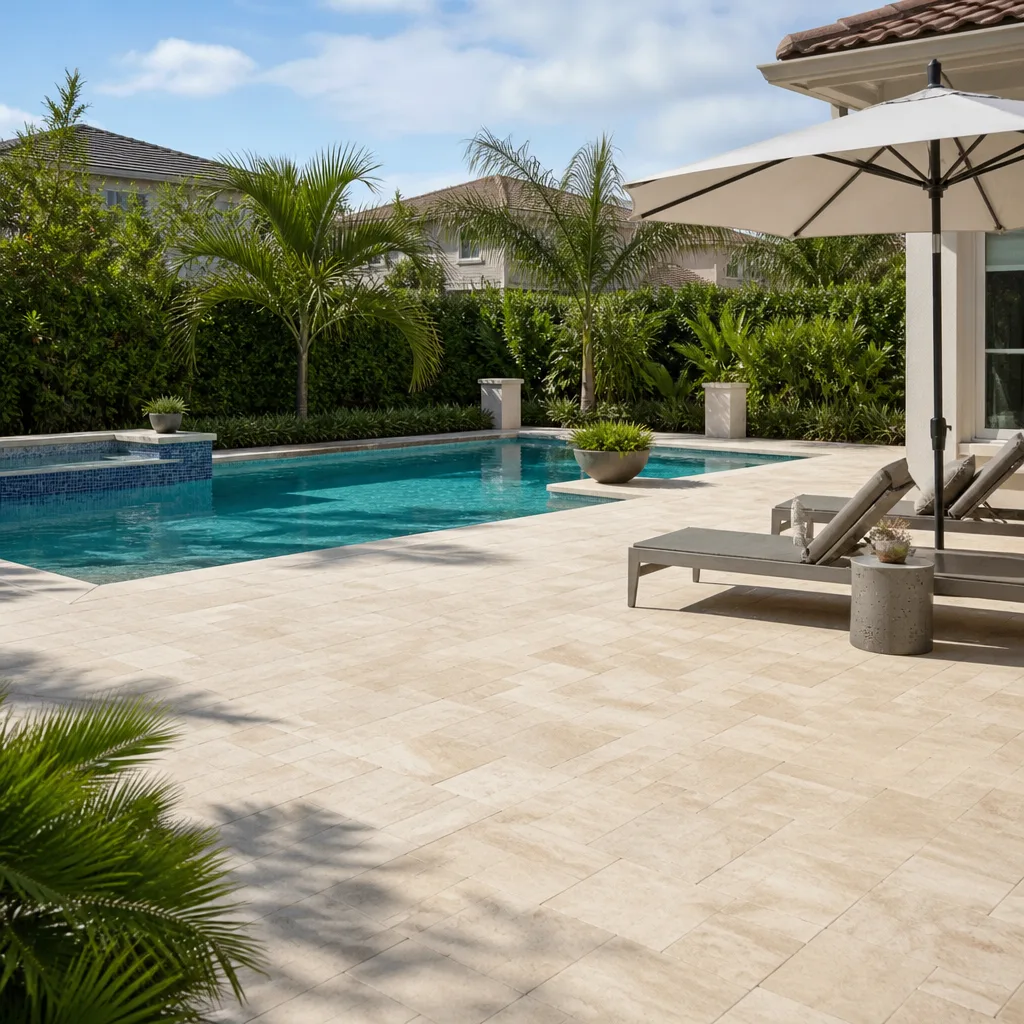
- Driveway & pavers
- Fence
Table of Contents
- Whitney’s Four Construction Seasons, Defined by Stress
- The Pre-Summer Window: April and May Inspections
- Monsoon Drainage and Desert Hardscape Checks
- The January Freeze Cycle: Grout, Caulk, and Concrete
- Exterior Envelope Care: Roofing, Siding, Windows, and Doors
- Driveways, Pavers, and Fences Through the Year
- Building a Year-End Material Condition Log
- Using Your Maintenance History to Plan Renovations
Whitney’s Four Construction Seasons, Defined by Stress
Calendar seasons tell you what month it is. Construction seasons tell you what’s failing. In Whitney, the useful way to divide the year is by the mechanism that stresses your house at that moment, because each mechanism attacks different materials and each one rewards a different inspection.
- Freeze-thaw window (January into early February): Overnight temperatures drop below freezing and daytime sun pulls them back up. Water that got into a hairline crack expands overnight and contracts by afternoon. This is the season that turns small cracks into open joints and loosens grout at tile edges.
- Spring wind and prep window (March through May): Winds pick up, dust loads gutters and roof valleys, and temperatures are mild enough to work outside comfortably. This is the last clean stretch to inspect and reseal before UV intensity climbs.
- UV and heat stress season (June through September): Peak sun bakes sealants, dries and shrinks caulk joints, stresses roof underlayment at penetrations, and drives expansion in concrete flatwork and paver fields. Exterior painting, roofing replacement, and paver work are all harder to do well in this stretch, and some should simply wait.
- Monsoon drainage season (late summer, layered over the heat): Short, intense rain events arrive on ground that’s baked hard and sheds water fast. Whitney sits in a flash-flood-prone desert drainage pattern, so the question isn’t whether water will move, it’s where you’re sending it.
That last point is the one most homeowners miss. The four seasons overlap in Whitney, and monsoon rain landing on heat-stressed materials does more damage than either stress alone. A caulk joint that would survive a mild summer can open when rain gets behind it during a 100-degree week.
One practical note: our technicians have up to 11 years of experience working in this climate, and the pattern they describe is consistent. The houses that need the least major work are the ones where somebody walked the exterior twice a year with a notepad, not the ones where repairs were handled one emergency at a time.
The Pre-Summer Window: April and May Inspections
April and May in Whitney are the last months when you can inspect sealants and coatings before UV intensity peaks, and they’re the best months to actually do the work. Once June arrives, the sun degrades fresh exterior sealant faster and makes every job slower. Treat this six-to-eight-week window as your primary exterior maintenance block.
Work through these checks in order:
- Walk the perimeter at eye level and at ground level. Look for caulk that has pulled away from window frames, door frames, and siding joints. Press a fingernail into a caulk bead; if it’s hard and chalky rather than slightly pliable, it’s due for replacement before summer.
- Check the roof from the ground with binoculars. Look specifically at penetrations (vents, skylights, chimney flashing) and valley lines. Lifted or curled shingle edges and granule accumulation in gutters are the early signals. Don’t walk a steep roof yourself to inspect it; that’s a job for someone trained and equipped for height work.
- Inspect window and door seals and hardware. Operate every window and exterior door. Weatherstripping that has compressed, screens that have torn, and door sweeps that no longer contact the threshold all let in dust and heat, which raises cooling load through the whole summer.
- Look at paint and stain condition on siding and trim. Failing paint on sun-facing elevations is normal in Whitney and is much cheaper to address as a recoat than as siding replacement. James Hardie fiber cement siding holds up well in this climate, but its finish coat still needs inspection at the same interval as any other exterior surface.
- Check irrigation and hose bibs. A slow leak against a foundation wall or paver base does quiet damage all summer. Run each zone and watch the ground for soft spots.
If the April walk turns up more than isolated sealant work, that’s useful information. It tells you whether you’re facing a repair year or a replacement year, and you have time to get an estimate before the summer crunch rather than during it.
Monsoon Drainage and Desert Hardscape Checks
Monsoon rain in Whitney arrives fast and lands on soil that has baked hard enough to shed water almost like pavement. The damage isn’t usually from rain soaking in; it’s from water pooling against the house, undercutting paver edges, or scouring the base material out from under a fence line. Desert hardscape makes this worse because there’s less vegetation to slow the flow.
Before the monsoon pattern sets in, check these:
- Roof drainage paths. Clear gutters and downspout outlets. Confirm downspouts discharge away from the foundation, not into a planting bed that holds water against the wall.
- Site grading around the foundation. Soil should slope away from the house on all sides. Whitney’s expansive soils and hard, low-permeability surface layers mean a flat or inward-sloping grade will pond rather than drain.
- Paver field condition. Walk the driveway and patio looking for settled areas, sand joints that have washed out, and pavers that rock underfoot. Washing sand out of paver joints is the single most common hardscape problem after a heavy rain, and it accelerates if ignored.
- Retaining walls and their weep points. Water needs a way out of the soil behind any wall. Blocked drainage releases pressure that walls aren’t designed to hold.
- Fence post bases. Check for soil erosion around posts and gates that have started to sag. A post that’s lost its surrounding soil is one wind event from leaning.
Our driveway & pavers work in Whitney starts with drainage because the paver field is only as good as what’s under and around it. A properly built base with correct slope handles monsoon flow; a base that was never graded right will show it within one season.
Fencing deserves its own check in this season. Wind plus saturated soil is the combination that takes down fence panels, and gates that bind in dry weather often reveal a shifted post once the ground softens.
The January Freeze Cycle: Grout, Caulk, and Concrete
Whitney’s freeze window is short but it does real work. Overnight freezing temperatures followed by above-freezing afternoons create a daily expand-contract cycle, and any material with a crack, void, or unbonded edge gets worked loose a little more each day. Three materials are most vulnerable, and each fails in a predictable way.
- Grout: Grout lines in tile floors, showers, and backsplashes are porous and slightly absorbent. Water that gets in through a void expands overnight and pushes grout loose, which is why a small missing grout line in December can be a loose tile by February. Grout voids in wet areas also let water reach the substrate, which is where a cosmetic problem becomes a waterproofing problem.
- Caulk and sealant: Exterior caulk that’s already chalky from summer UV loses adhesion at the edges. Freeze-thaw works those edges open, and by spring you have a joint that admits water and air. Interior caulk around tubs and sinks is less exposed but still fails faster in an unheated or poorly insulated room.
- Concrete flatwork: Driveways, walkways, and slabs crack for a lot of reasons, but the freeze cycle is what widens them. Water in a hairline crack freezes, expands, and leaves the crack measurably wider in spring. This is why Whitney homeowners who dismiss the freeze window often find cracked concrete by March that they attribute to “settling.”
The response is straightforward: inspect and repair before the freeze, not after. Re-grouting a void or replacing a failed caulk joint in November costs a fraction of what water-damaged substrate repair costs in February. If you’re mid-renovation during the freeze window, make sure any exterior work involving sealants and adhesives is scheduled outside the overnight freezing stretch, since these materials don’t cure reliably when temperatures drop.
For interior projects, the freeze window is actually a good time to plan. Kitchen and bath remodels are indoor work and don’t care what the thermometer says. It’s also when material selections get made without weather pressure. Specifying cabinetry from KraftMaid or Wellborn, or engineered stone from Cambria, Caesarstone, or Silestone, takes time, and winter is a reasonable moment to do it methodically.
Exterior Envelope Care: Roofing, Siding, Windows, and Doors
Your exterior envelope is a system, and inspecting it piece by piece misses the point. Roofing, siding, windows, doors, and flashing all shed water and manage air movement together. A roof that’s in good shape still leaks if the flashing at a wall junction has failed, and a wall that’s weather-tight still causes problems if window seals are letting in driven rain.
Do an envelope walk twice a year and look at these interfaces:
- Roof to wall junctions and penetrations. These are the highest-risk spots on any roof, and they fail before the field shingles do. Check that flashing is intact, sealed, and not lifting.
- Window and door perimeters. Look for gaps between frame and siding, failed sealant, and any softness in the surrounding wall material. Water entry at a window head often shows up inside as a stain far from the window, so inspect from outside rather than waiting for a ceiling spot.
- Siding joints and terminations. Bottom courses, corner trim, and joints above roof lines are where water gets behind siding. On fiber cement siding, check that cut edges and joints are sealed and that the material still has its finish integrity.
- Door thresholds and sweeps. Exterior door thresholds are a common chronic leak point. If a door has daylight visible underneath, rain will find it too.
Our technicians have up to 11 years of experience with these assemblies in Whitney conditions, and the recurring pattern is consistent: envelope problems show up first at transitions, never in the middle of a clean field of roofing or siding. Inspect the transitions.
If the envelope inspection points toward replacement rather than repair, use the pre-summer window to get estimates. Roof replacement in Whitney is best scheduled outside peak heat. Roofing materials from GAF, CertainTeed, Owens Corning, IKO, Atlas, Tamko, and Boral all perform well when installed correctly, but installation conditions matter as much as the material. Windows and doors are a similar story. Impact-rated options from PGT and CGI, and standard or energy-efficient units from Therma-Tru and ECO Window Systems, all depend on correct installation and sealing to perform.
Driveways, Pavers, and Fences Through the Year
Hardscape and fencing are the parts of a property that take the most direct weathering in Whitney. They’re also the parts homeowners inspect least often, because there’s no interior symptom to notice. A paver driveway and a fence line will both tell you clearly when they need attention, but only if you look.
A season-by-season approach works best:
- Spring: inspect for winter damage. Settled pavers, joint sand loss, and shifted fence panels are the common finds. Address them before summer heat makes any outdoor work slower.
- Summer: watch for heat-related movement. Paver fields expand in sustained heat, and joints take stress. Fences, particularly wood and composite, may show small seasonal movement at gates.
- Monsoon: check drainage paths and erosion, as covered above. This is the season that reveals whether a paver base was built correctly.
- Winter: confirm joints are full and any cracks in concrete are sealed before the freeze. This is the cheap repair window.
Material choice matters over the long run. Paver systems from Belgard, Unilock, Tremron, and Techo-Bloc are engineered for this kind of seasonal movement, with interlocking patterns that absorb stress better than poured concrete. Once a concrete slab cracks, the crack is permanent; a paver field can be lifted, re-based, and reset. On the fence side, fencing brands like Barrette, Master Halco, Ameristar, Jerith, Bufftech, and ActiveYards cover a wide range of materials, and the right choice depends on how much wind exposure and sun the specific fence line gets.
Our fence installation work in Whitney accounts for both problems because both are predictable here. Post depth, concrete setting, and panel attachment all need to be right the first time, since a fence that’s installed well needs very little beyond annual inspection.
Building a Year-End Material Condition Log
The most useful maintenance tool you can build in Whitney is a simple written log. Roofing, siding, sealants, grout, flatwork, and fencing all age at predictable rates, and a log turns that aging from a surprise into a schedule. You don’t need software; a notebook and a folder of photos will do.
Record these items each year, in December or January:
- Photograph every exterior elevation. Same angles each year. Changes that are invisible month to month become obvious in a year-over-year comparison.
- Note sealant condition at each window, door, and joint. Mark each location as good, marginal, or due for replacement.
- Record grout condition in wet areas. Note any missing grout, cracked lines, or movement at tile edges.
- Log flatwork cracks. Measure and photograph each crack at the widest point. If a crack has widened since last year, you have a number to compare.
- Note roof age and visible condition. Shingle granule loss, flashing condition, and any repairs done.
- Record fence and paver condition. Post stability, panel condition, joint sand levels, settled areas.
- List any interior water signs. Stains, bubbling paint, soft drywall, or musty smells, with the location noted.
Two years of logs tell you which components are aging fastest, and that tells you where to spend maintenance dollars before a larger project. It also gives any contractor an accurate picture when you request an estimate, which produces a more accurate quote.
Using Your Maintenance History to Plan Renovations
Homeowners in Whitney who keep a condition log make better decisions about major projects, for a simple reason: they know what’s actually failing and what’s just old. A roof that has three years left and a fence that’s structurally fine shouldn’t get the same urgency. The log separates the two.
Here’s how the log feeds into planning:
- If several exterior components are reaching end of life at once, coordinate them in one engagement. Roofing, siding, windows, and doors share an envelope, and doing them together means one scope, one sequence, and one point of accountability. Sequencing them separately means paying for access and staging more than once.
- If interior surfaces are failing but the envelope is sound, the budget belongs in kitchen and bath work. Water damage from failed grout or caulk is the most common reason a cosmetic issue becomes a remodel.
- If you’re planning added square footage, plan it before the next roofing replacement. A home additions & ADU project will touch the roof plane and the envelope at the junction, so coordinating the two avoids redoing new work.
- If the log shows repeated drainage problems, fix the drainage before hardscape replacement. New pavers on bad grade will show the same problem within a season.
This is where the single-contract approach earns its keep. Our Construction Whitney engagements cover seven service categories, from driveways and pavers to roofing and kitchen remodels, so a maintenance history that points to multiple projects can become one coordinated scope. That includes prefab and modular options for additions through platforms like Abodu and Mighty Buildings, alongside traditional construction, and accessory structures like a Tuff Shed for storage that frees up interior space.
Common Mistakes to Avoid
- Skipping the October inspection because the weather turned nice. October and November are your last window to catch summer damage before the freeze reopens it. Waiting for spring means a winter of water getting into open joints.
- Treating caulk as permanent. Exterior caulk has a limited service life in Whitney’s UV. Inspecting it in April and replacing it when it’s chalky prevents most of the envelope leaks homeowners attribute to roofing failures.
- Ignoring grout voids in wet areas. A missing grout line looks cosmetic. In a shower, it’s the start of water reaching the substrate and a much larger repair.
- Assuming cracked concrete is just normal settling. In Whitney, the freeze cycle widens cracks every winter. If a crack is measurably wider than last year, it’s being worked by water, not settling.
- Clearing gutters by feel without checking roof flashing. Gutter maintenance matters, but the flashing at roof penetrations and wall junctions is where water actually enters. Check both.
- Replacing pavers without fixing drainage. If the old field settled or lost joint sand repeatedly, the base or grade was wrong. New pavers installed on the same base will do the same thing.
- Doing exterior painting or sealing during peak summer. Coatings applied above their recommended application temperature fail early. The pre-summer window is the right time; the middle of July is not.
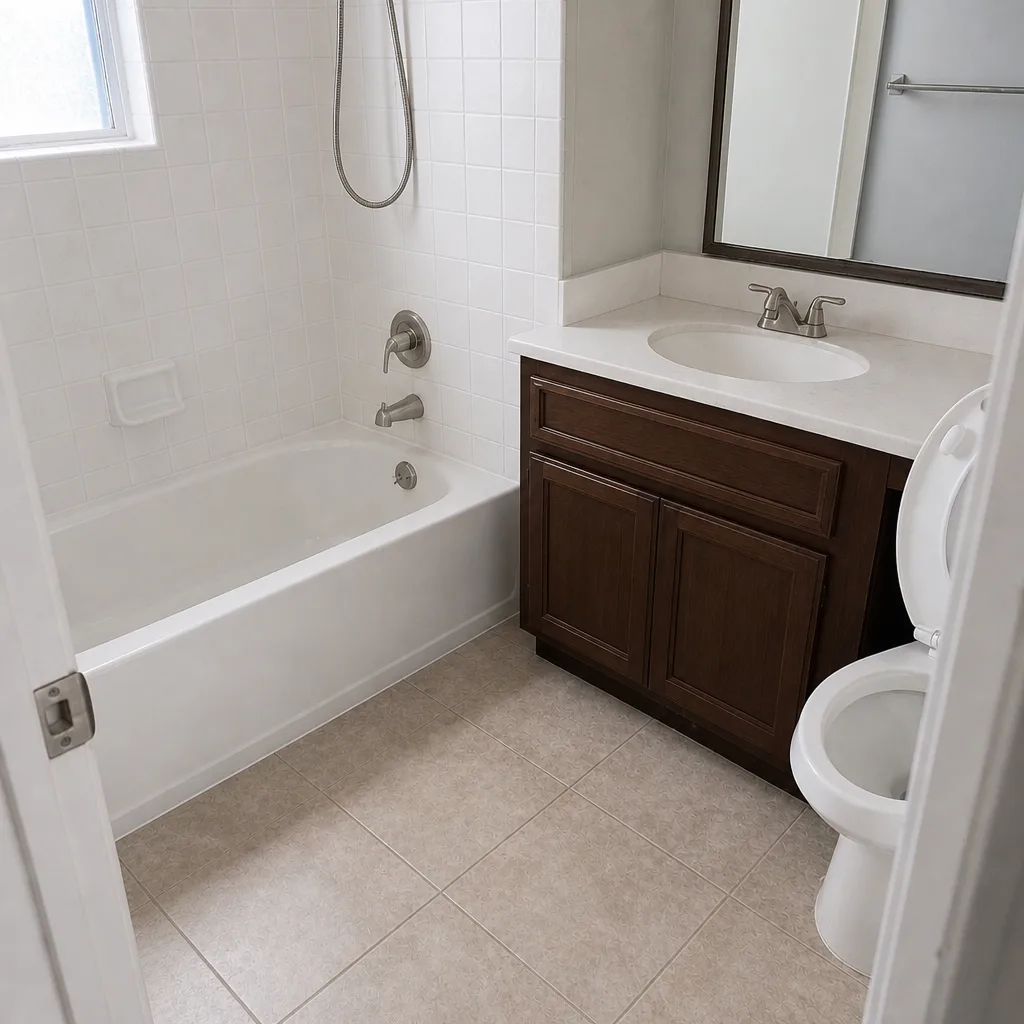
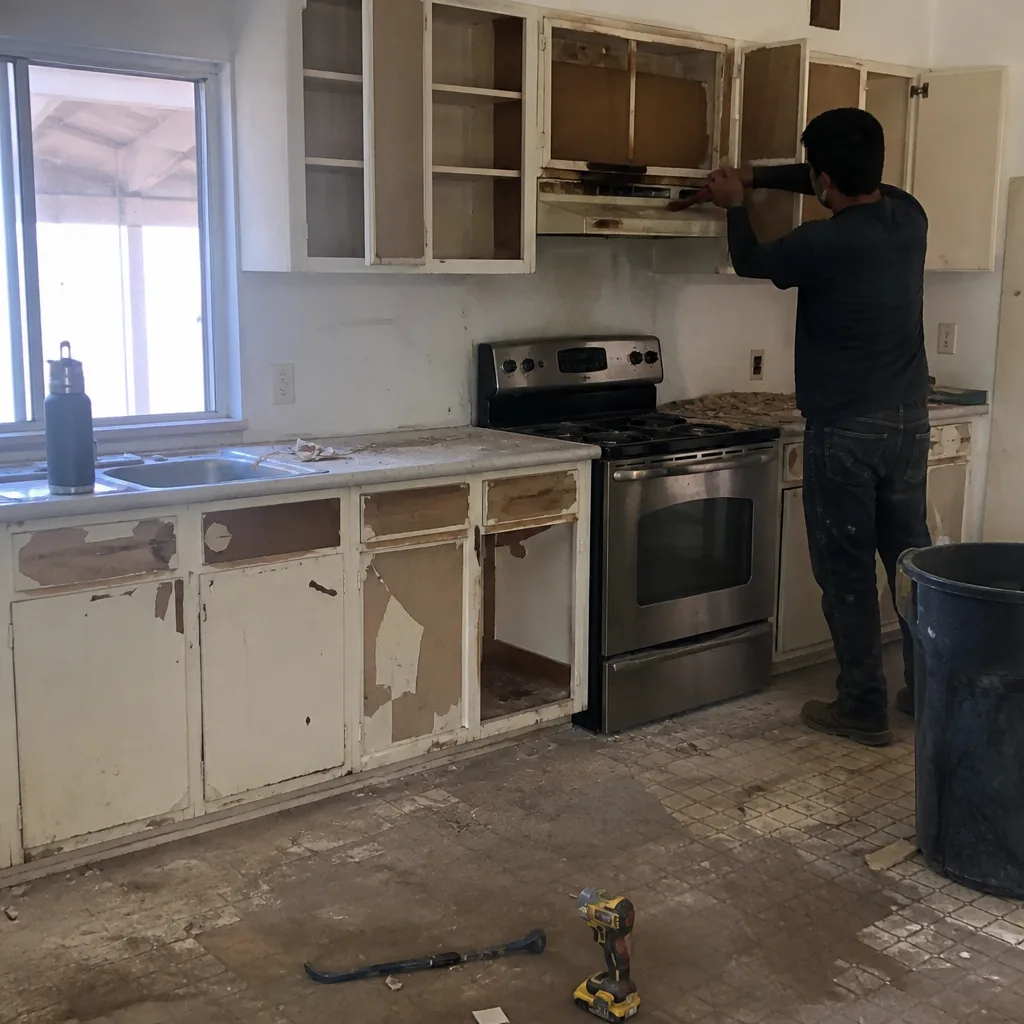
See the difference
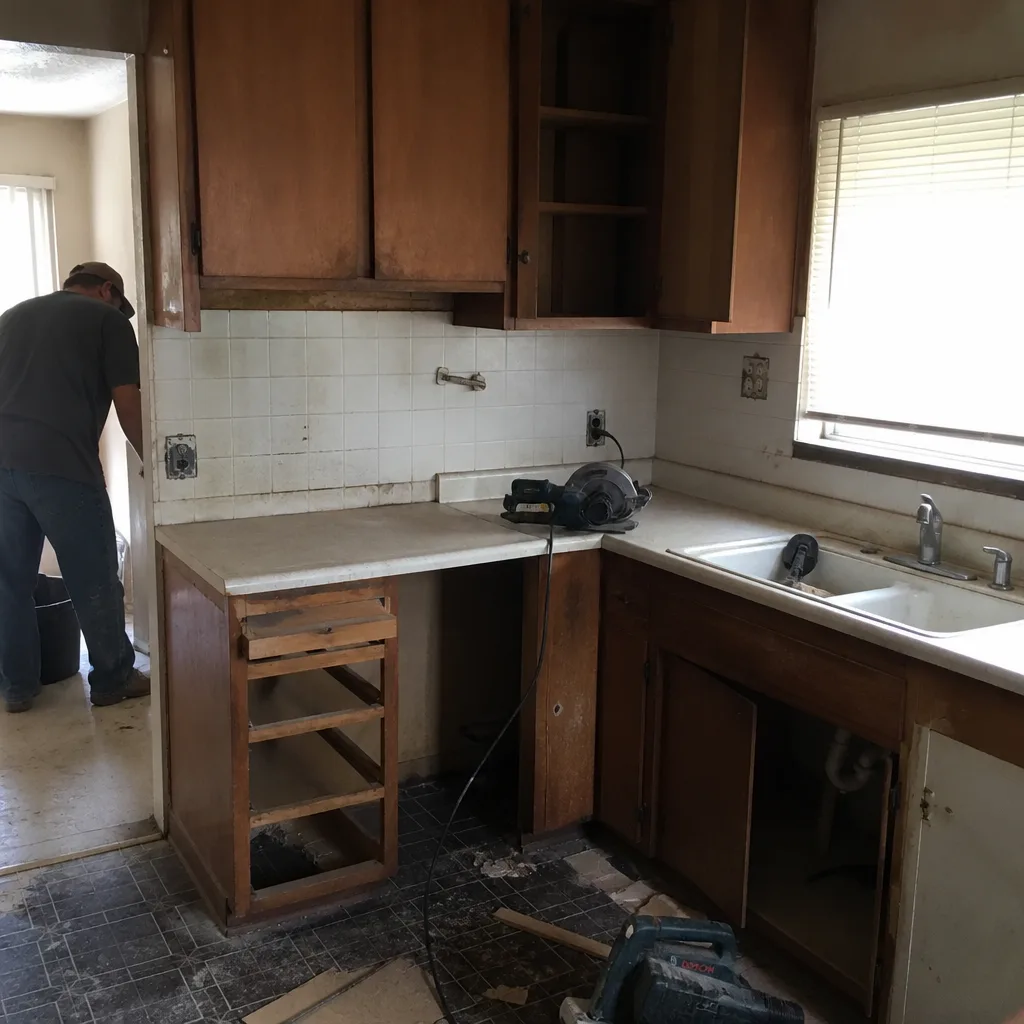 Before
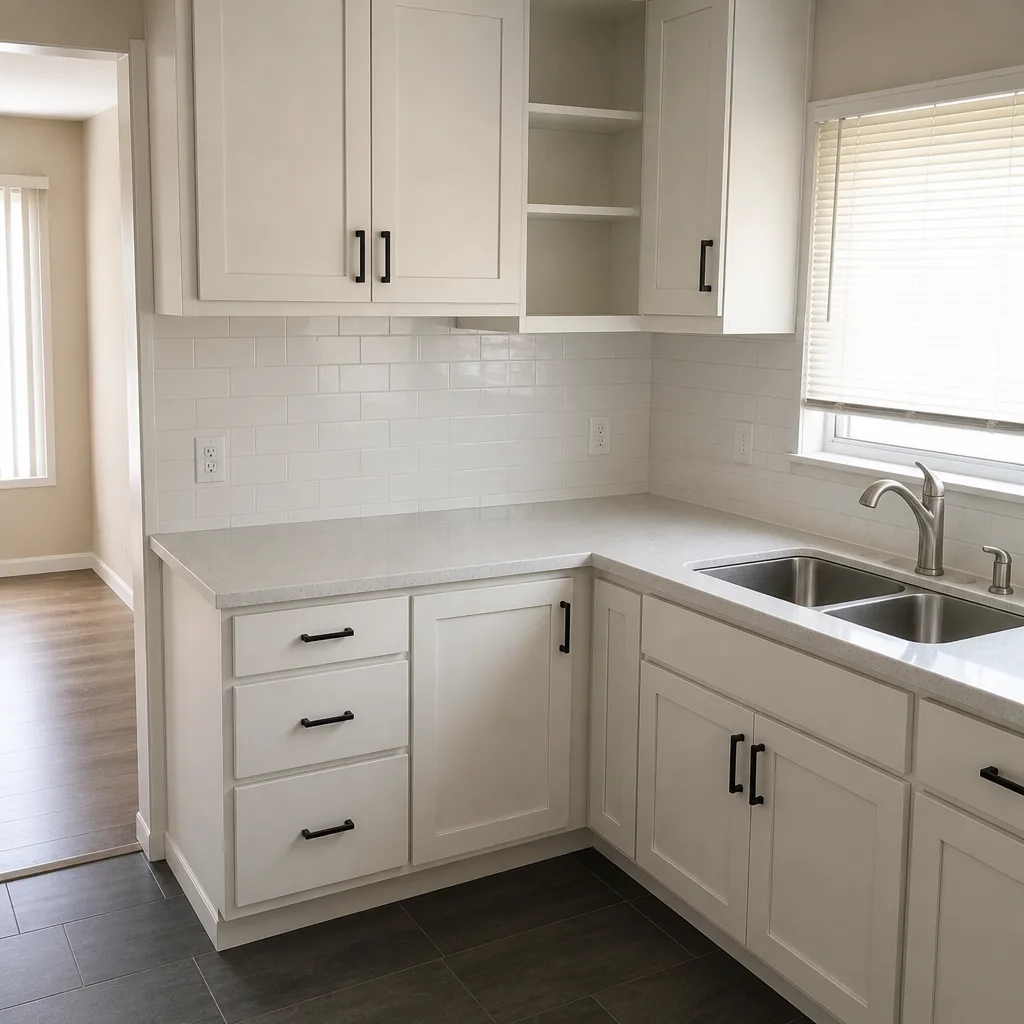 After
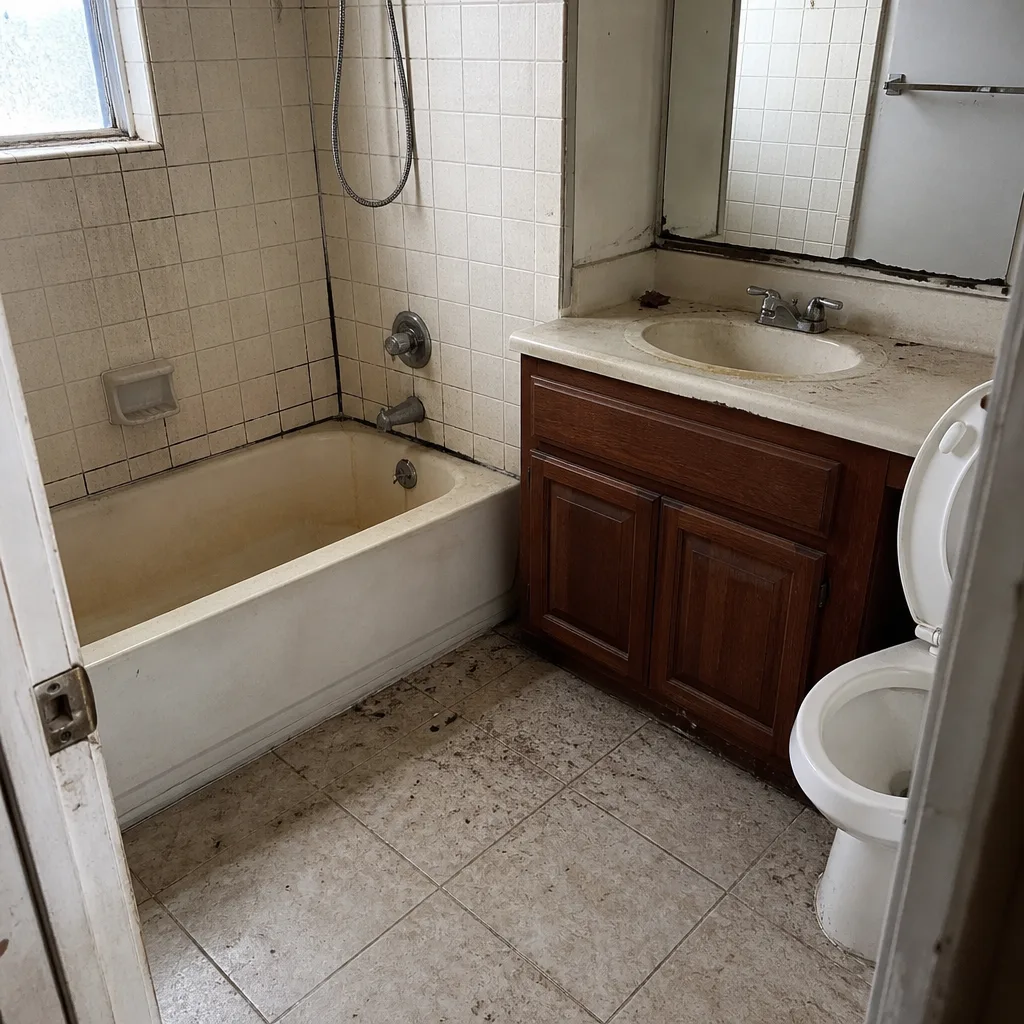 Before
 After
 Before
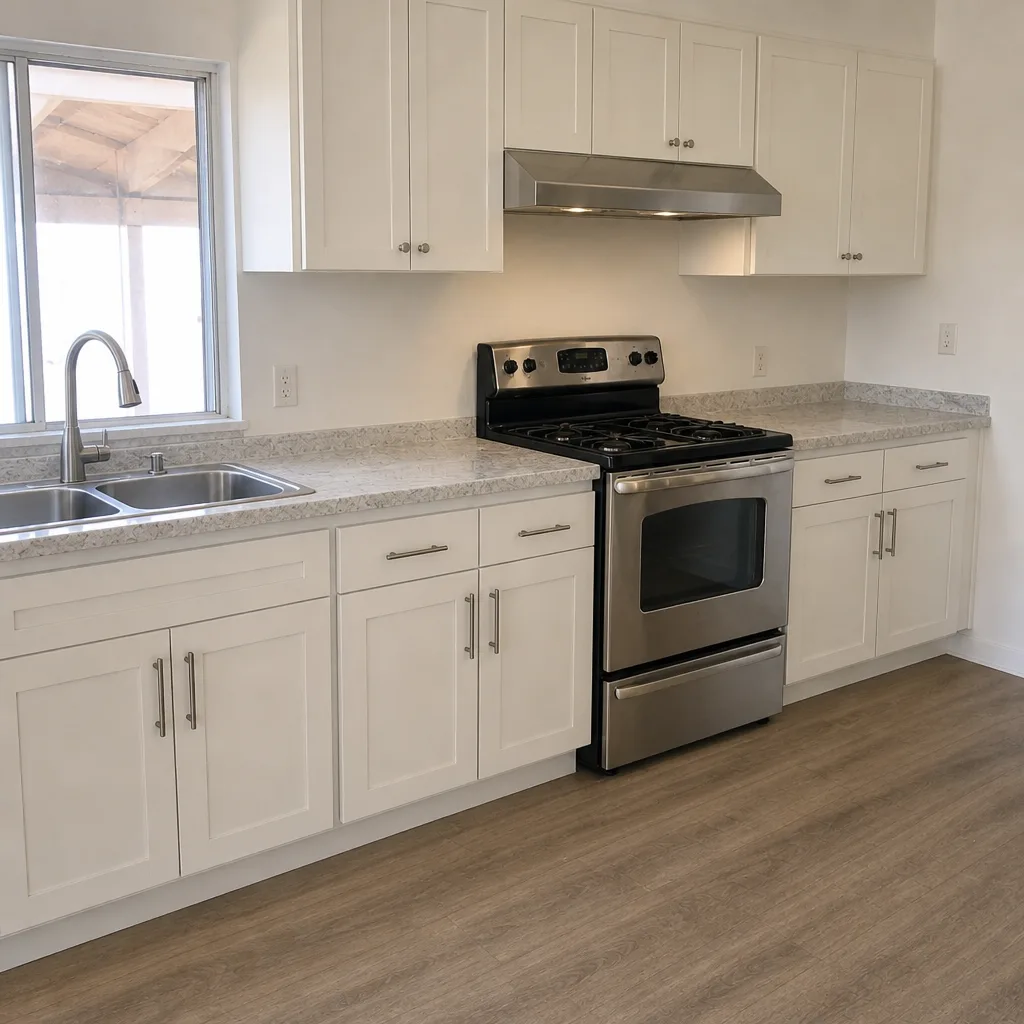 After
When to Call a Professional
Some maintenance is owner-level: clearing gutters, replacing weatherstripping, noting conditions in a log. Other work has enough risk or enough consequence that it’s worth a professional from the start. Roof inspection and any work at height on a steep roof is the clearest example; a fall risk isn’t worth an owner’s afternoon. Cracking flatwork that’s widening year over year, persistent drainage problems that pool water against the foundation, failed window or door seals that have let water into the wall cavity, and any electrical or gas work associated with a remodel all call for a trained professional. If your condition log shows multiple failing components at once, that’s also the point to get estimates rather than tackling them in sequence.
Construction Whitney offers free estimates in Whitney. Call (844) 761-9669. We answer 24/7. Fast dispatch from 7am to 7pm, Sunday through Friday.
Frequently Asked Questions

April and May are generally the best months for exterior work in Whitney, because temperatures are mild and UV intensity hasn’t peaked. Roofing and exterior painting can be done through summer, but scheduling outside the hottest stretch produces better results and easier working conditions. Call (844) 761-9669 for a free estimate on any exterior project.
Yes, because Whitney’s winter freeze-thaw cycle widens existing cracks every year. Water that gets into a hairline crack freezes overnight, expands, and leaves the crack wider in spring. Sealing cracks before the January freeze is the low-cost prevention.
Inspect exterior caulk every spring and expect to replace it on a regular cycle, since peak summer UV makes it chalky and hard. Pressing it with a fingernail during the April inspection tells you whether it still has elasticity or is due for replacement. Call (844) 761-9669 if you’d like an estimate on sealant work as part of a larger repair.
Monsoon drainage problems around Whitney homes come from soil that has baked hard and sheds water fast, combined with grading that doesn’t slope away from the foundation. Water pools against the house instead of draining, which is why paver joint sand loss and fence post erosion are common after heavy rain. Call (844) 761-9669 for a free estimate on drainage-related hardscape work.
No, because roofing problems often show up at flashing and penetrations before they show up as interior leaks. A leak-free ceiling isn’t proof the roof is sound, and intermittent water entry may not be visible from inside until damage is well advanced. Have the roof inspected from the ground with binoculars each spring, and by a professional when anything looks lifted, curled, or unsealed.
The simplest method is a written condition log with dated photos of each exterior elevation, sealant condition, grout condition, flatwork cracks, roof condition, and fence and paver condition. Comparing year to year shows which components are aging fastest and helps you plan a larger renovation based on evidence. Call (844) 761-9669 if you’re ready to price out a project that your log has brought to the surface.
The Bottom Line
Whitney’s climate doesn’t fit the standard seasonal maintenance calendar, and treating it that way is why so much exterior damage goes unnoticed until it’s expensive. The four construction seasons here are defined by stress mechanisms: freeze-thaw in January, spring wind and prep in April and May, UV and heat stress through summer, and monsoon drainage layered on top. Inspect sealants and flatwork before the freeze, test drainage before the monsoon, and keep a written condition log so larger renovation decisions come from evidence rather than guesswork. One contractor handling every phase keeps the work coordinated without juggling multiple specialists, and a proper maintenance history makes each project simpler to plan. Call (844) 761-9669 to schedule a free estimate.
Written by the team at Construction Whitney.