Last updated November 18, 2026
Free written scope consultation - allowances, timeline, and change-order rules on paper before a single trade is scheduled
Choosing the Right Construction Brand: A Buyer’s Guide for Whitney
Most homeowner brand research is built on reviews written for other climates. A paver line that earns top marks in the Pacific Northwest may carry a thinner UV inhibitor package than Whitney’s solar exposure demands, and a roofing shingle rated for Atlantic hail seasons solves a problem this valley rarely has. The result is that buyers here often compare the wrong performance data. This guide changes the comparison. We’ll walk through the three technical criteria that actually matter for Whitney materials, why regional distribution decides whether your project stays on schedule, how the major categories differ in what they demand from a brand, and where builder-grade and trade-grade diverge. What you’ll come away with is a framework for specifying products you trust, not a list of logos.
Quick Answer
The right construction brand in Whitney is the one engineered for sustained ultraviolet exposure, alkaline soil contact, and extreme daily thermal cycling, and backed by a manufacturer with Nevada distribution that keeps materials available mid-project. Prestige matters less than climate fit and supply reliability. Match the brand to those three criteria by category, confirm you’re getting the trade-grade line rather than the builder-grade version, and lean on a contractor with a broad roster so substitution is possible when a product backorders.
Styles & brands we work with
- Kitchen remodeling
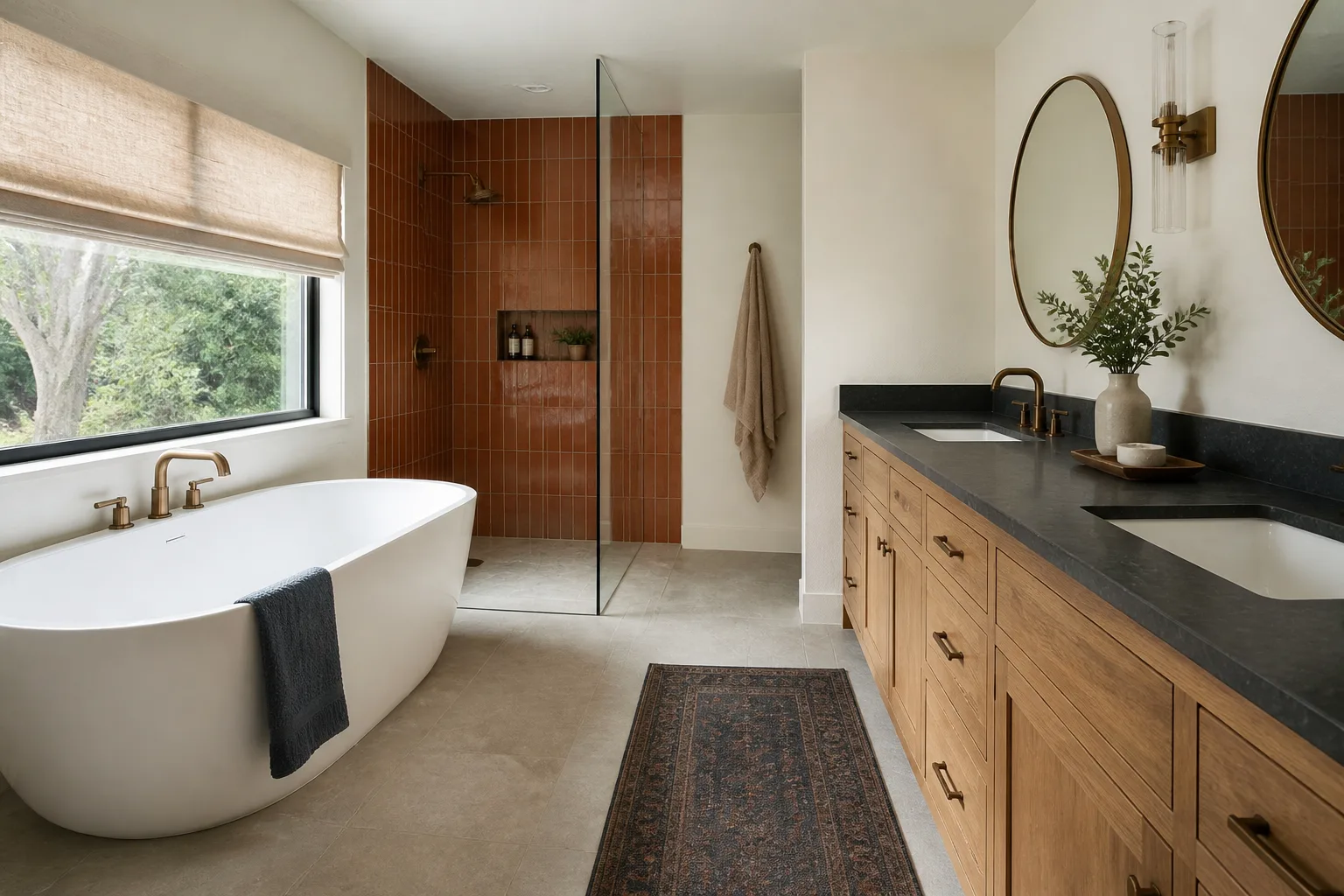
- Bathroom remodeling
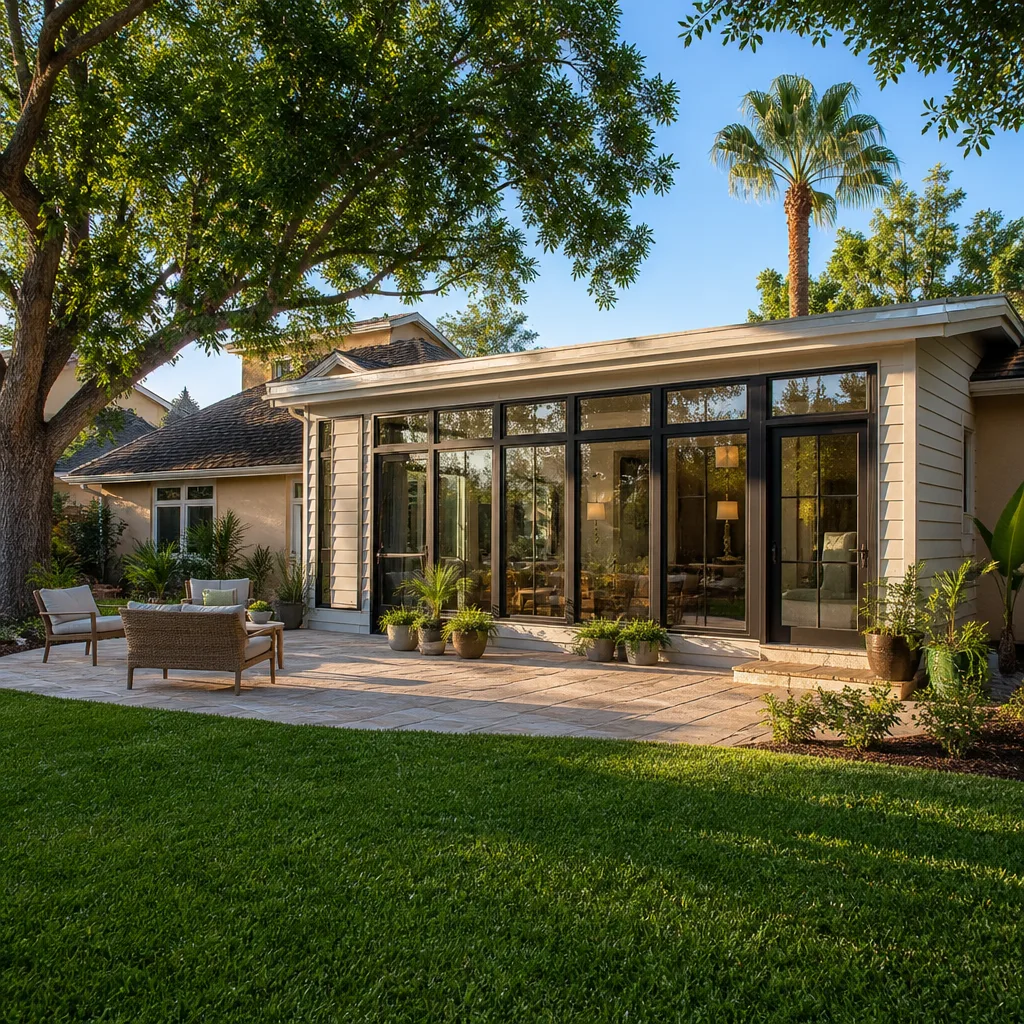
- Home additions & ADU
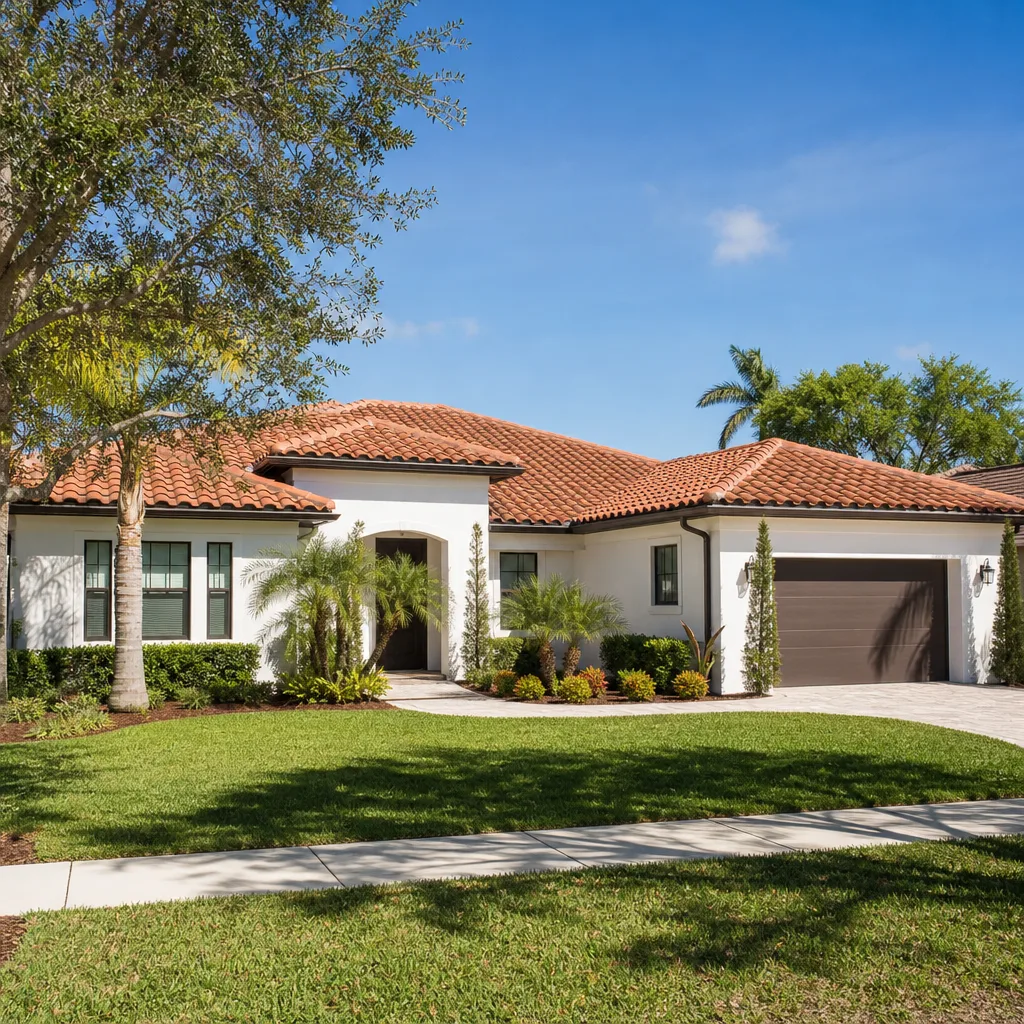
- Roofing
- Windows & doors
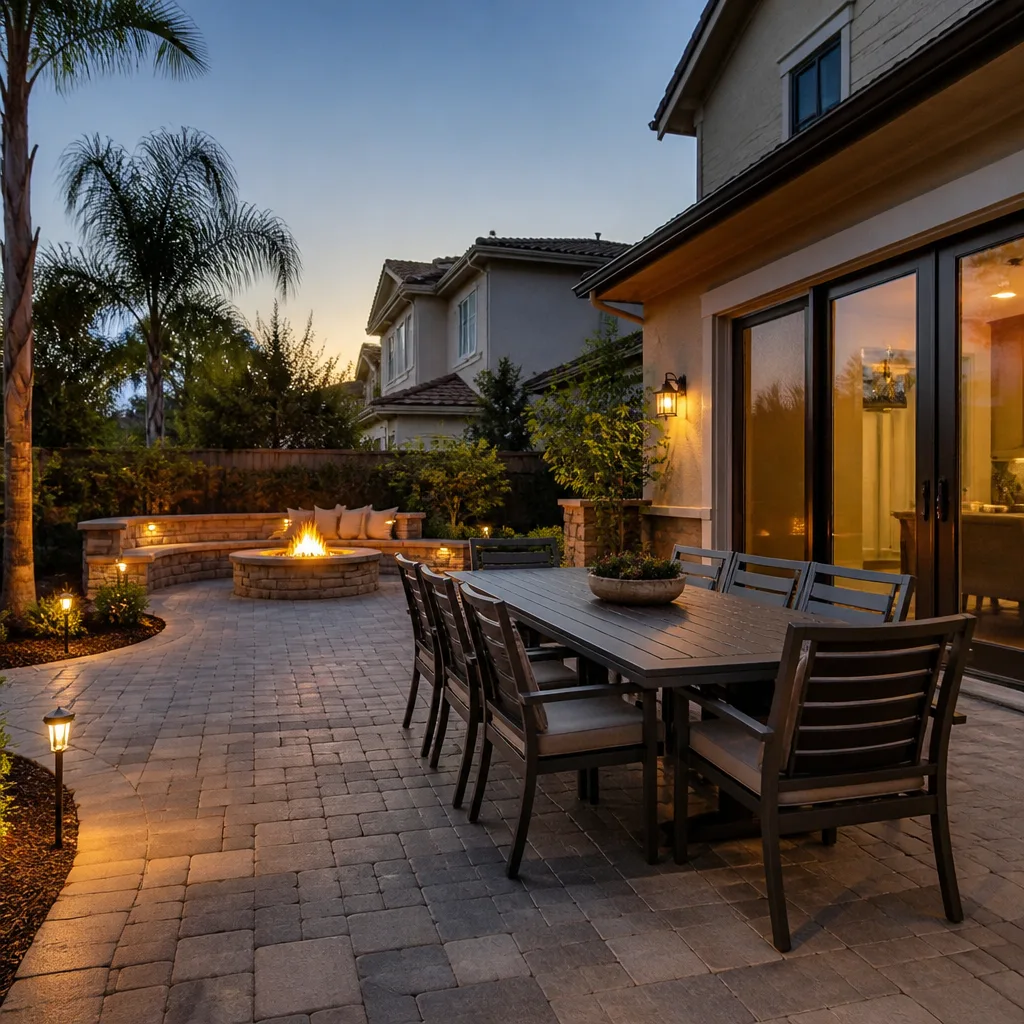
- Driveway & pavers
- Fence
Table of Contents
- The Three Performance Criteria That Matter Most in Whitney
- Why Regional Distribution Decides Your Timeline
- Category-by-Category Brand Considerations
- Builder-Grade vs. Trade-Grade: What the Label Hides
- Why a Broad Brand Roster Gives You Options
- A Step-by-Step Brand Selection Process
- Specifying One Brand Story Across a Whole Home
- Common Mistakes to Avoid
The Three Performance Criteria That Matter Most in Whitney
Every material decision in Whitney comes down to how a product handles sun, soil, and temperature swing. Those three forces do more to shorten the life of a roof, a paver driveway, or a floor than any installation detail. Get them right and the product earns its lifespan. Ignore them and the best-reviewed brand on the shelf can fail early anyway.
Here’s what each criterion means in practice.
- UV resistance. Whitney sits in a high solar exposure zone, and ultraviolet radiation breaks down polymers, fades pigments, and embrittles sealants. A paver or siding product with an inadequate UV inhibitor package will chalk and lose color years ahead of its rated life. Ask what UV stabilization the product carries, not just its compressive strength.
- Alkaline soil compatibility. Valley soils run alkaline, and that chemistry interacts with concrete, masonry, and metal components in contact with the ground. Products formulated for neutral or acidic soil can corrode faster at the base. For anything touching soil, confirm the product is specified for high-pH conditions.
- Thermal expansion coefficient. Whitney’s day-to-night temperature swing is wide, and materials expand and contract with it. A product with a high expansion coefficient needs proper joint spacing and movement accommodation. Brands that publish their expansion data make it easier to install correctly the first time.
None of this requires an engineering degree to use. It requires asking three questions of any material you’re considering: how does it handle UV, how does it handle alkaline contact, and how much does it move with temperature. A brand that answers all three clearly is one you can specify with confidence in Whitney.
Why Regional Distribution Decides Your Timeline
The best-specified product in the world is useless if it’s six weeks out. Regional distribution is the least glamorous brand criterion and the one that most often derails Whitney projects. A brand with a Nevada warehouse presence can move material in days. A brand shipping from the Midwest or the coasts can add four to six weeks to your schedule, and that gap often lands in the middle of a scope, when the crew is already on site and the rest of the job waits.
Why does this matter more here than in densely supplied metros? Whitney is a smaller market, and local stocking is thinner. Big-box shelves carry the mainstream builder-grade lines, but the trade-grade versions of those same products often live at specialty distributors. If your brand doesn’t have a regional distribution point feeding those distributors, the lead time stretches.
We’ve watched this reshape project schedules. A homeowner sets a timeline, picks a product based on a review site, then discovers the specific color or profile is backordered from the factory. The crew can’t install around a missing material in a driveway, a roof, or a flooring run. Weeks disappear.
The practical takeaway: when you compare brands, ask where the material ships from. A brand with distribution infrastructure reaching Whitney consistently beats a higher-rated brand that leaves you waiting. Supply reliability is a performance spec, not a footnote.
Category-by-Category Brand Considerations
Not every material faces the climate the same way. Concrete and masonry, exterior coatings, interior flooring, and pavers each have distinct performance needs in Whitney. Treating them as one category is where buyers go wrong.
Concrete and masonry. These materials cure in heat and sit against alkaline soil. The mix design and admixture package matter, and products specified for cooler, wetter climates can crack more readily in rapid-curing valley conditions. Ask how the product handles heat during placement and how it resists sulfate attack from alkaline soil.
Exterior coatings. Stucco, paint, and siding all face intense UV and large thermal swings. Coating brands formulated for high-sun exposure hold color and flexibility longer, while general-market coatings chalk and crack. Elastomeric products that accommodate movement perform better here than rigid finishes.
Interior flooring. Even indoors, Whitney’s dry air and temperature swing affect flooring. Solid wood moves with seasonal humidity changes, while engineered and luxury vinyl products are more dimensionally stable. Brands that publish their stability and acclimation requirements are easier to install correctly.
Pavers. Driveway and patio pavers face the full combination: sun, heat, and ground contact. Look for products with strong color-through pigments and UV stabilization, specified for high-traffic loads. A paver brand engineered for a wetter, cooler market may not hold color here.
The pattern is consistent. Whitney materials should be specified for heat, sun, and alkaline contact. A brand that publishes that data earns a place on your list.
Builder-Grade vs. Trade-Grade: What the Label Hides
Two products from the same brand family can perform very differently. Most major manufacturers make a builder-grade line sold through big-box retailers and a trade-grade line sold through professional distributors. The labels look similar. The materials inside often aren’t, and the difference shows up in longevity under Whitney conditions.
Builder-grade products are built to a price point for production builders and volume retail. They often use thinner substrates, less pigment, fewer UV inhibitors, or lower-grade binders. They perform fine in mild climates and moderate use. Against sustained UV and wide thermal swing, they wear faster.
Trade-grade lines cost more because they carry more material. Thicker color layers resist fading longer. Stronger binders hold up to expansion and contraction. Higher UV stabilization means the product keeps its appearance over more seasons.
How do you tell them apart? Ask directly which line a quote includes. A brand name on a bid doesn’t guarantee the trade-grade specification. Ask for the product line, not just the manufacturer. On a roofing quote, that means the specific shingle series. On a paver bid, the specific paver profile and finish. On a cabinet or countertop quote, the specific line and door style.
This is where a knowledgeable contractor earns their place. They know which line within a brand handles Whitney’s climate and can specify accordingly. A bid that names brands but not lines leaves the door open to builder-grade substitution, and that’s how a material chosen for durability ends up underperforming.
Why a Broad Brand Roster Gives You Options
Brand selection isn’t just about picking the best product on paper. It’s about what happens when that product isn’t available. A contractor with relationships across a broad brand roster can offer a substitution that meets the same performance criteria, keeping the project moving. A contractor locked into one or two manufacturers has no such lever.
Backorders happen. Factories run short. Colors discontinue. When that hits a single-source contractor mid-project, the homeowner faces a choice: wait weeks or accept whatever the contractor can get. Neither is good. A broad roster turns that into a manageable swap.
Construction Whitney works with a roster of more than 50 name-brand manufacturers across roofing, cabinetry, countertops, plumbing fixtures, windows, doors, fencing, and hardscape. That breadth isn’t a marketing list. It’s a substitution toolkit. When a specific product backorders, we can name two or three alternatives that meet the same performance criteria for Whitney and keep the scope on schedule.
This also lets you specify the brands you already trust. If you want a driveway & pavers scope built around a specific paver profile, or fencing from a manufacturer you’ve researched, we can source it. The roster gives you range from accessible to premium tiers within each category, so your budget and your performance needs both get met. One contractor, every phase, with the brand flexibility to handle real-world supply conditions.
A Step-by-Step Brand Selection Process
A repeatable process beats browsing reviews. Here’s the sequence we recommend for any Whitney material decision, whether you’re choosing roofing, pavers, or a kitchen surface.
- Define the performance need first. Before you look at a single brand, write down what the material must do. For an exterior product, that means UV resistance, alkaline soil compatibility, and thermal expansion. For an interior product, it means stability and maintenance. The need narrows the field.
- Check climate specification. Look for manufacturers who publish UV stabilization, high-pH compatibility, or thermal expansion data. If a brand can’t tell you how its product performs in heat and high sun, that’s a signal.
- Confirm the distribution path. Ask where the material ships from and what the current lead time is. A brand with regional Nevada distribution lowers your schedule risk.
- Ask for the specific line. Confirm the quote names the trade-grade product line, not just the manufacturer. Get it in writing.
- Identify a backup. Have a second product that meets the same criteria ready. If your first choice backorders, you don’t lose weeks.
- Lock it into the written estimate. The estimate should state the exact products, lines, and quantities, so there’s no ambiguity about what gets installed.
Run this sequence and your brand decisions become a performance exercise, not a popularity contest. That’s exactly the shift most Whitney buyers need to make.
Specifying One Brand Story Across a Whole Home
Most contractors handle one or two categories. That fragmentation is a brand problem as much as a coordination one. When three specialists touch a home, you get three separate material philosophies, three supply chains, and three sets of lead times. A whole-home exterior or a multi-phase renovation drifts when no one is holding the brand standard across all of it.
A single-contract scope keeps the material story coherent. Roofing, siding, windows, doors, fencing, and pavers can be specified to the same performance criteria and sourced through the same roster. If you’re planning a fence installation alongside a new roof, the fence brand and the roofing brand should both be chosen for Whitney’s sun and heat, not bought from whoever answers the phone first.
This matters most in larger scopes. A home additions & ADU project brings together structure, envelope, flooring, fixtures, and exterior finishes. Brand decisions in one area affect the others. The envelope product you choose determines how the addition handles heat gain. The flooring you pick determines maintenance. When one contractor holds the specification across the whole scope, those choices stay coordinated. That’s the value of a full-service residential contractor with a deep roster: your addition, your timeline, your spec, carried through every phase by one accountable party.
How Does Construction Whitney Fit Into Brand Selection?
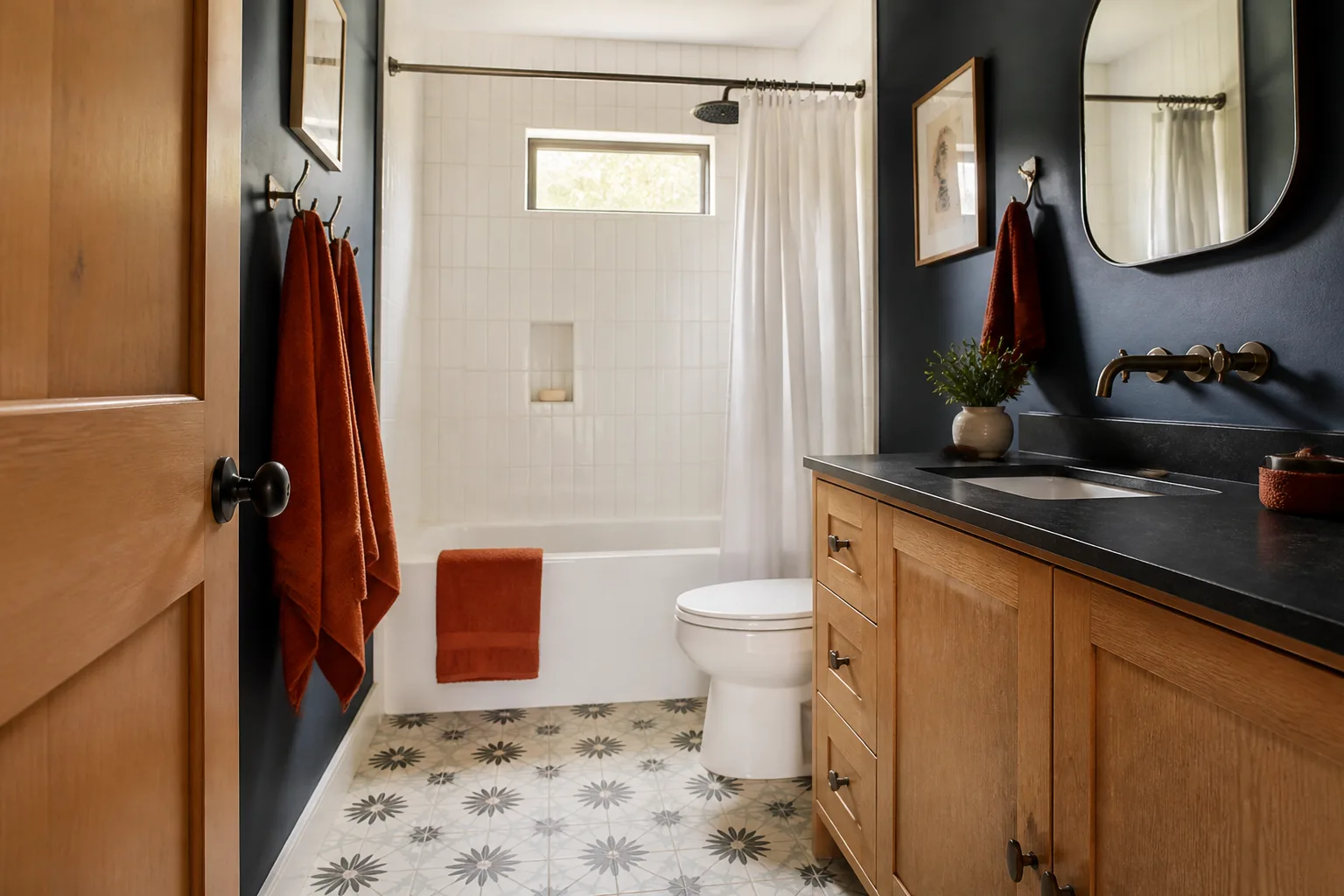
Construction Whitney is a Construction Whitney full-service residential contractor covering seven core service lines under a single contract: driveway & pavers, fence installation, home additions & ADU, bathroom remodeling, windows & doors, roofing, and kitchen remodeling. That means brand selection and installation happen in one engagement rather than spread across multiple specialists.
Our technicians have up to 11 years of experience, and our roster spans more than 50 name-brand manufacturers. On roofing, that includes seven of the industry’s recognized names. On kitchens and baths, cabinet brands like KraftMaid and Wellborn and engineered stone surfaces from Cambria, Caesarstone, and Silestone. On windows and doors, impact-rated specialists alongside leading door and window manufacturers. On exterior hardscape and fencing, the major paver ecosystems and six established fencing brands.
For ADU and addition work, we offer both traditional construction and prefab platforms including Abodu, Dvele, and Mighty Buildings. We also work with builders like Boxabl and Plant Prefab, giving homeowners flexible paths to adding livable square footage. If you want a prefab approach, the brand matters as much as the build method, and we can compare the options against your site and your criteria.
The point isn’t a logo list. It’s that specification and substitution both stay possible across the whole scope, so your project isn’t held hostage to a single brand’s backorder.
See the difference
 Before
 After
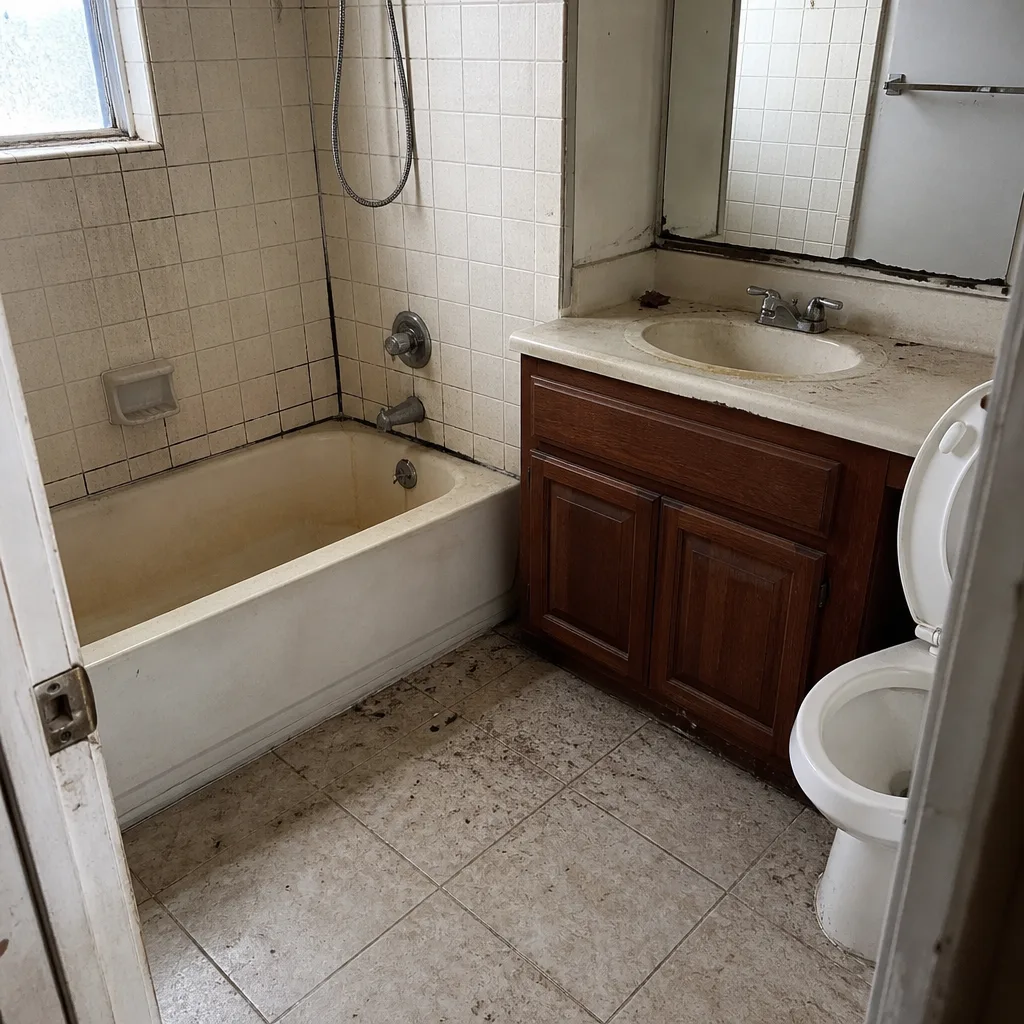 Before
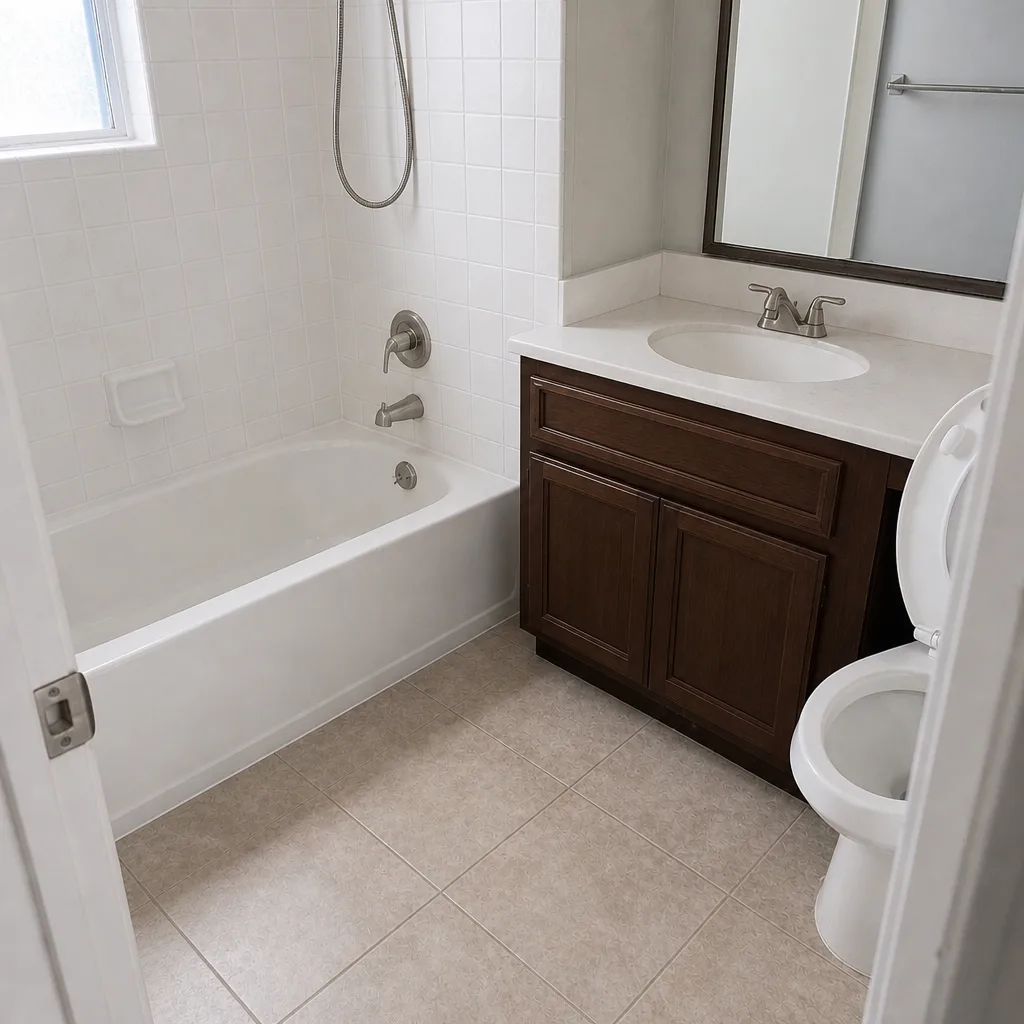 After
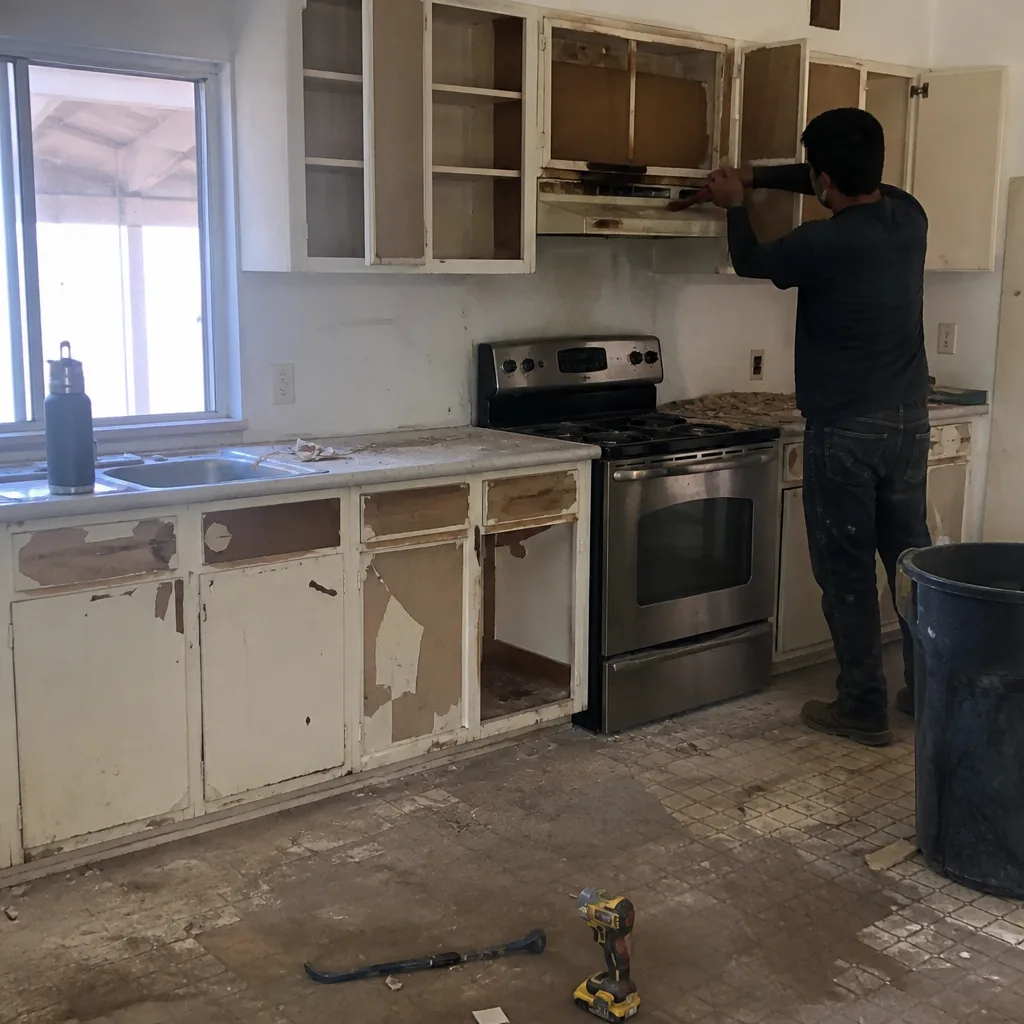 Before
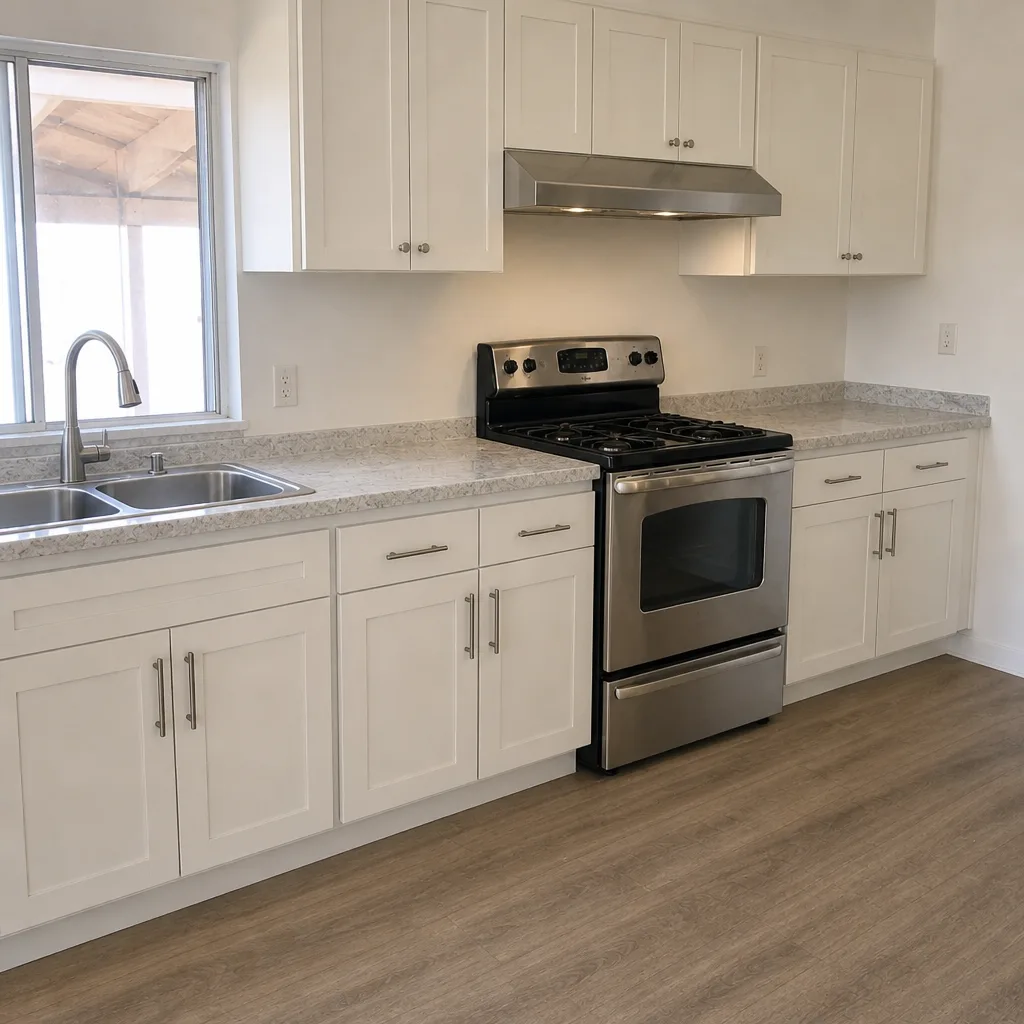 After
What Should a Whitney Buyer Ask Before Committing to a Brand?
A short, direct question list separates serious specifications from marketing. Before you commit any material to a Whitney project, put these questions to whoever is quoting the work.
- How does this product perform under sustained UV exposure? What UV stabilization does it carry?
- Is the product specified for alkaline soil contact where it touches ground?
- What is the thermal expansion coefficient, and how is movement accommodated?
- Is this the trade-grade line or the builder-grade version? Show me the specific product line.
- Where does the material ship from, and what is the current lead time?
- What’s the backup product if this one backorders, and does it meet the same criteria?
- Will the written estimate name the exact products, lines, and quantities?
These questions aren’t hostile. They’re how you get a specification instead of a slogan. A contractor who can answer them clearly is one you can trust to site the right material. One who can’t is a risk in Whitney’s climate, where the wrong product fails faster and costs more to replace. Ask early, ask in writing, and hold the answer.
Common Mistakes to Avoid
- Comparing reviews written for other climates. A brand that excels in the Pacific Northwest or on the Atlantic coast may not carry the UV or heat performance Whitney demands. Read for climate fit, not average ratings.
- Accepting a brand name without the product line. A bid that says “major roofing manufacturer” without naming the shingle series can legally install the builder-grade version. Insist on the specific line.
- Ignoring lead time until material is late. Regional distribution should be part of the brand comparison. A high-rated product that’s six weeks out stalls a Whitney project mid-scope.
- Skipping the alkaline soil question. Products in ground contact face high-pH chemistry here. Brands that don’t address it can corrode or fail early at the base.
- Assuming thermal movement doesn’t matter. Wide day-night swings move materials. Products with published expansion data and proper joint accommodation perform longer in Whitney.
- Having no backup product. Backorders happen. A spec with no substitute option hands the decision to the supply chain, not the homeowner.
- Letting multiple specialists set separate brand standards. Fragmenting a scope across three contractors means three material philosophies. A single-contract scope keeps the performance criteria consistent from driveway to roofline.
When to Call a Professional
Some brand decisions are simple enough to make alone. Others carry real consequences in Whitney, where heat, sun, and alkaline soil punish the wrong choice. Call a professional when a material sits in ground contact, when the product carries a structural or weather-tightness role, when the scope spans more than one category, or when you’re specifying a premium product and want to confirm it’s the right line. Electrical, structural, and gas work belongs with a trained professional regardless of brand. A written, line-item estimate is the right way to price the work, and the estimate sets the final price. Construction Whitney offers free estimates in Whitney, call (844) 761-9669. We answer 24/7. Fast dispatch from 7am to 7pm, Sunday through Friday.
Frequently Asked Questions
The best brands in Whitney are the ones engineered for sustained UV exposure, alkaline soil contact, and wide thermal cycling, and backed by Nevada distribution. Brand prestige matters less than climate fit and supply reliability. Match each material to those three criteria, confirm the trade-grade product line, and keep a backup option ready. For an exact product recommendation on your scope, call (844) 761-9669 – estimates are free.
Because a paver engineered for a wetter, cooler climate may carry less UV stabilization than Whitney’s solar exposure demands. Color pigments fade and surfaces chalk faster under intense sun. The product’s compressive strength may be excellent while its UV package is inadequate for this valley. Ask for UV inhibitor details and color-through pigments, not just load ratings. Call (844) 761-9669 to talk through specific paver products for your Whitney driveway or patio.
Ask which product line the quote includes, not just the manufacturer. Builder-grade lines sold through big-box retail often use thinner substrates, fewer UV inhibitors, and lower-grade binders than the trade-grade lines sold through professional distributors. The brand name on a bid doesn’t guarantee the trade-grade specification. Demand the specific line and series in writing. Call (844) 761-9669 for a written estimate that names exact products.
Yes. A brand with a Nevada warehouse presence can move material in days, while a brand shipping from out of state can add four to six weeks. That gap often hits mid-scope, when the crew is on site and the rest of the job waits on a backordered color or profile. Ask where the material ships from before you commit. Call (844) 761-9669 to check lead times on the products in your scope.
It shouldn’t, if the estimate names exact products, lines, and quantities in writing. Vague bids that list brands without product lines leave room for substitution and price drift. A written, line-item estimate with fixed pricing and no change orders protects you. The estimate sets the final price. Call (844) 761-9669 for a free written estimate on your Whitney project.
Yes, when the contractor maintains relationships across a broad brand roster. A single-contract scope lets one party hold the performance criteria consistently across roofing, siding, windows, doors, fencing, pavers, and interior work, and substitute products when something backorders. That’s how you avoid juggling three specialists with three material philosophies. Call (844) 761-9669 to scope a full-service residential project in Whitney.
The Bottom Line
Brand selection for a Whitney project is a performance decision, not a popularity contest. The brands worth specifying are the ones engineered for sustained UV exposure, alkaline soil contact, and extreme thermal cycling, backed by Nevada distribution that keeps materials moving. Confirm the trade-grade line rather than the builder-grade version, keep a backup product ready for backorders, and let a contractor with a broad roster carry the specification across every phase. That’s how you build to stay, not just to sell: the right product, in the right line, with options if supply shifts. From driveway to roofline, the material decision is yours to make, and it should be based on data that matches this climate.
Ready to specify products you trust for your Whitney project? Call (844) 761-9669 for a free estimate. We answer 24/7. Fast dispatch from 7am to 7pm, Sunday through Friday. The estimate is free, written line by line, and the estimate sets the final price.
Written by the team at Construction Whitney.