Last updated November 18, 2026
Free written scope consultation - allowances, timeline, and change-order rules on paper before a single trade is scheduled
The Complete Driveway & Pavers Guide for Whitney Homeowners
Most driveway advice online was written for a place with four mild seasons and soft, loamy soil. Whitney isn’t that place. Here in the Mojave, a concrete slab can move roughly 3/8 of an inch across a year from thermal expansion alone, and the ground beneath it is often caliche – a cemented layer so hard it changes how you prepare a base. That mismatch between national advice and local reality is why driveways here crack early while the surface material gets blamed. This guide treats the driveway as engineered infrastructure: the base, the grade, the drainage, the code, and the material all working as one system. You’ll learn what actually governs lifespan in Whitney, how the surface options compare under our sun and temperature swings, and how to specify a driveway that stays put.
Quick Answer
A driveway in Whitney lasts when the base is engineered for caliche soil and desert temperature swings, not when the most expensive surface is chosen. Interlocking pavers, properly compacted concrete, asphalt, and gravel all work here – but only if base preparation, drainage slope, and HOA and Clark County requirements are handled first. Get the base and grade right, and the surface becomes a style and budget decision rather than a durability gamble.
Styles & brands we work with
- Kitchen remodeling
- Bathroom remodeling
- Home additions & ADU
- Roofing
- Windows & doors
- Driveway & pavers
- Fence
Table of Contents
- Why a Whitney Driveway Is Different From a National Guide
- Why Base Preparation Decides Driveway Lifespan
- Concrete, Asphalt, Pavers, or Gravel: A Whitney Comparison
- HOA and Clark County Rules That Govern Your Driveway
- Grade, Drainage, and Whole-Home Water Management
- The Paver Ecosystem: Brands, Patterns, and Long-Term Value
- What Drives the Cost of a Whitney Driveway Project
- Keeping a Desert Driveway Sound Over Time
Why a Whitney Driveway Is Different From a National Guide
Whitney sits in the Mojave, and that single fact rewrites most of the driveway rulebook. The problems here aren’t frost heave and spring mud. They’re thermal cycling, intense UV, and a soil profile that punishes shortcuts. A slab or paver field expands in the afternoon heat and contracts overnight, and that daily movement repeats thousands of times across the life of the driveway. When the base can’t accommodate that movement, the surface takes the stress – and cracks, heaves, or settles unevenly.
Then there’s caliche. Much of the ground in and around Whitney contains layers of calcium-carbonate-cemented soil that behave less like dirt and more like soft rock. National installation standards assume you’re compacting over loose, granular subgrade. Caliche doesn’t cooperate with that assumption. It sheds water rather than absorbing it, it resists penetration, and if it’s left as a hard, uneven shelf under a thin base, the pavement above it moves as a unit and fails as a unit.
UV is the third local force. Desert sun degrades asphalt binders and fades and chalks sealers faster than in milder climates. Materials that look identical on a spec sheet age very differently under Whitney’s sun.
Add HOA architectural rules and Clark County requirements on top, and you have a project where the surface you see is the smallest part of the decision. In our experience, the driveways that fail early here almost always failed underground first. That’s the frame for everything that follows.
Why Base Preparation Decides Driveway Lifespan
If you remember one thing from this guide, make it this: base preparation, not surface material, is the single biggest determinant of driveway lifespan in a desert climate. You can install premium pavers over a bad base and watch them shift within a season. You can install modest pavers over a properly engineered base and get a decade or more of service.
Here’s how a base for Whitney conditions typically comes together:
- Excavate to the right depth for the surface. Different surfaces need different total depths, and the numbers are set by the engineered plan, not by habit.
- Address the caliche layer directly. Where caliche is present, it may need to be broken up, removed to a specified depth, or over-excavated and replaced with compactable aggregate. Skipping this is the most common desert installation error.
- Lay a graded aggregate base. Crushed stone graded for compaction, placed in lifts rather than one thick dump, so each layer compacts fully.
- Compact in lifts. Each lift is watered and mechanically compacted before the next goes down. Compaction depth for desert subgrade often runs deeper than a national standard would call for, because the base has to bridge over and isolate the caliche.
- Verify grade and slope before the surface. The base carries the drainage fall, so it has to be checked before anything covers it.
- Proof-roll and inspect. A final pass to catch soft spots before the surface locks everything in place.
That sequence is why base work is invisible on the finished driveway and still the most important part of the invoice. It’s also the part that’s easiest to cut when a bid comes in unusually low.
Concrete, Asphalt, Pavers, or Gravel: A Whitney Comparison
All four common driveway surfaces work in Whitney – under different conditions and with different trade-offs. Here’s how they compare specifically under our UV load and temperature swings.
- Concrete: A poured slab is the most familiar choice and reads as clean and permanent. In Whitney’s climate it needs control joints placed thoughtfully to manage thermal expansion, and cracking at joints is normal and expected rather than a defect. It’s rigid, so any base movement telegraphs straight through. It also holds heat, which matters on a west-facing drive.
- Asphalt: Flexible, so it tolerates minor base movement better than concrete, and it’s quieter underfoot. The catch is UV. Desert sun ages asphalt binders faster, so sealer maintenance matters more here than in milder places. Left unsealed, it oxidizes and ravels sooner.
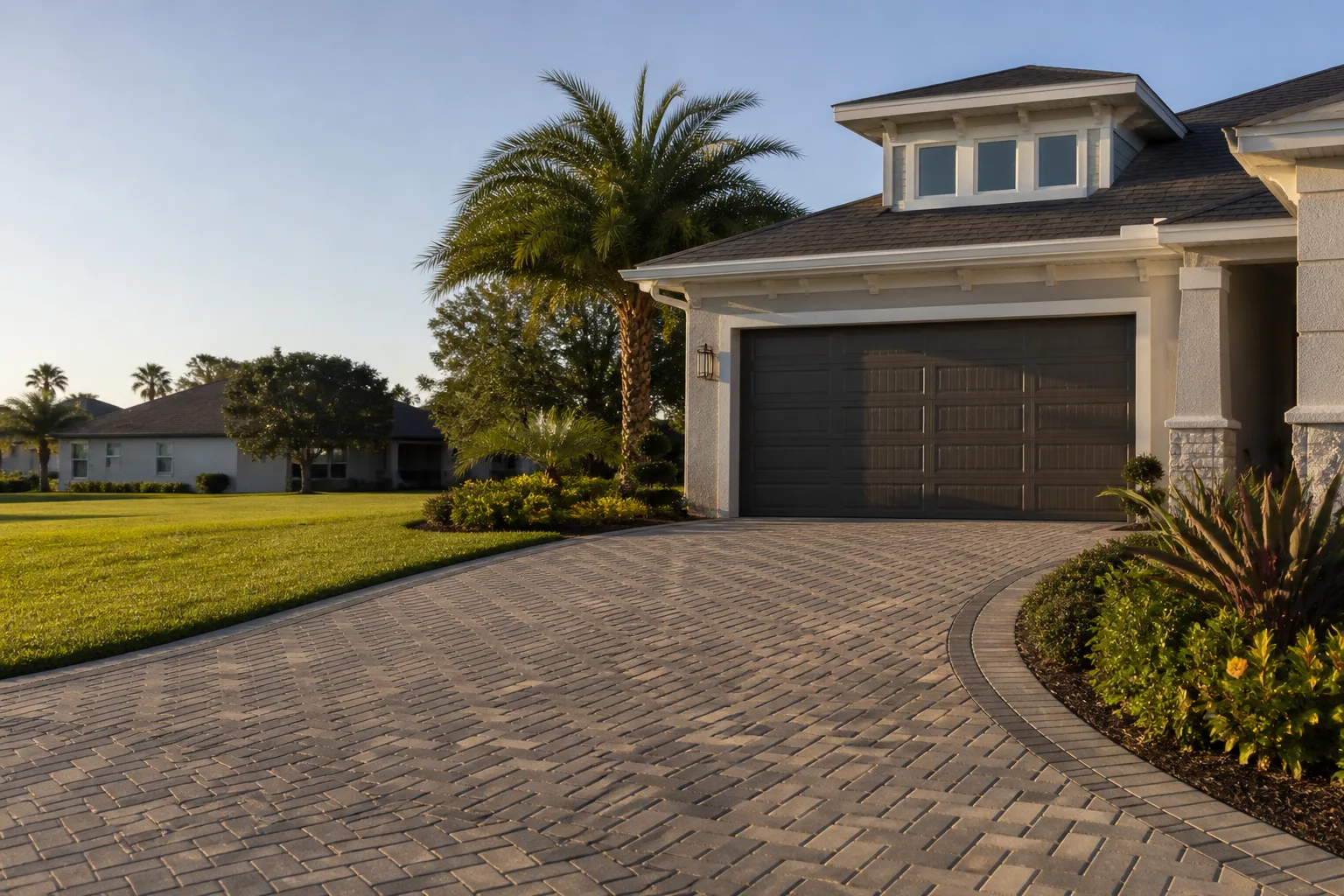
- Interlocking pavers: Individual units flex as a system, so they handle thermal movement and minor settling without cracking a monolithic surface. A damaged unit can be lifted and replaced without tearing out the driveway. They add the most design flexibility and, done right, hold up best to the expansion-and-contraction cycle that defines Whitney.
- Gravel: The lowest-cost surface and genuinely functional for low-traffic or long rural drives. It needs periodic replenishment, edge restraint to keep it from migrating, and weed management. It’s a poor fit where HOA rules demand a hard, uniform surface.
The honest summary: concrete and pavers are the durable choices for most Whitney homes, asphalt is a reasonable flexible option with a maintenance commitment, and gravel suits specific low-traffic situations. Surface choice should follow the base design, not replace it.
HOA and Clark County Rules That Govern Your Driveway
Before a single paver is ordered, two sets of rules apply in Whitney: your HOA’s architectural standards and Clark County’s requirements. Most homeowners think about the surface they want and discover the constraints later. Better to know them up front.
HOAs in the Whitney area commonly govern:
- Material type and color. Many associations restrict driveways to a defined palette or approve only certain surface types, so a bold paver color or a gravel conversion may need approval first.
- Driveway width and layout. Setbacks and width are often spelled out, which affects how a widening or turnaround gets designed.
- Drainage direction. Associations care a lot about where water leaves your lot, because a change that pushes runoff toward a neighbor becomes a dispute.
- Expansion and accessory structures. If you’re tying a widened drive into an addition, expect the architectural review to look at the whole picture.
Clark County code adds requirements around things like right-of-way and approach aprons where the driveway meets the street, plus slope and drainage standards. The exact rules depend on your parcel and street, so the practical move is to confirm them with your HOA and the county before design, not after materials are delivered. We build the permit-and-approval step into the plan because a driveway that ignores these requirements can be ordered reworked – an expensive way to learn the rules. Handling this alongside other exterior work is a good reason to bring in a single contractor who can coordinate the driveway with a fence installation and the rest of your exterior in one scope.
Grade, Drainage, and Whole-Home Water Management
A driveway isn’t a standalone slab – it’s part of how water moves around your house. In a desert, that matters more than people expect. The rain may be infrequent, but when it comes it’s often intense, and a surface that sheds water toward your foundation or a neighbor’s lot causes problems fast.
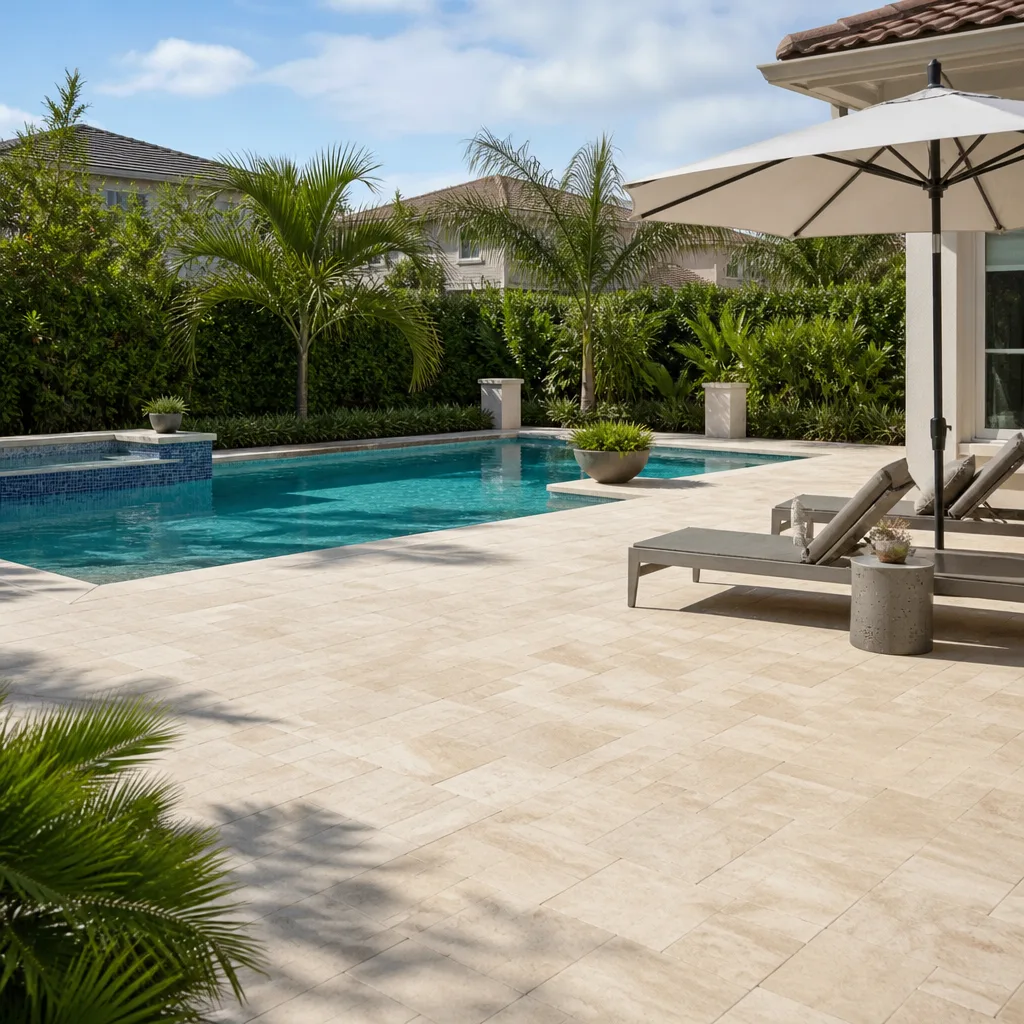
Good driveway design starts with grade: the surface has to slope away from the house and toward an intended drainage path, at a consistent fall that keeps water moving rather than pooling. Pavers are especially good at this because the joints and base can be engineered to direct water, and because a pervious or well-drained base design can let some water infiltrate instead of running off.
Then you look at the surrounding system. Does the driveway meet the yard in a way that sheets water into a low spot against the house? Does it connect cleanly to whatever drainage you already have at the roofline? A driveway that pours water toward a poorly drained corner undoes good work elsewhere.
This is where a whole-exterior approach earns its keep. Drainage, grade, fencing, and pavement all interact, and when they’re planned together – which is exactly the case with a driveway & pavers scope coordinated under one contract – you avoid the situation where each trade optimizes its own piece and the water still ends up in the wrong place. If you’re also planning to add living space, it’s worth thinking about grading and access early, because an addition changes how water drains across the lot. That’s the same thinking that goes into a home additions & ADU project.
The Paver Ecosystem: Brands, Patterns, and Long-Term Value
If base preparation is the foundation of a durable driveway, the paver system is where the specification gets interesting. Pavers aren’t one product – they’re a family of unit sizes, thicknesses, finishes, and laying patterns, and the right combination depends on traffic, climate, and the look you’re after.
For Whitney conditions, three things matter most in a paver spec:
- Thickness and load rating. A driveway carrying vehicles needs a heavier unit than a patio. The engineer or designer sets this by use.
- Color and finish against UV. Desert sun is hard on color. Mid-tone and integral-color units hold their look better than very light ones that show dust, and finishes that resist fading age more gracefully.
- Laying pattern and joint design. Herringbone and running-bond patterns interlock to spread load and movement; joint sand and edge restraint keep the system locked.
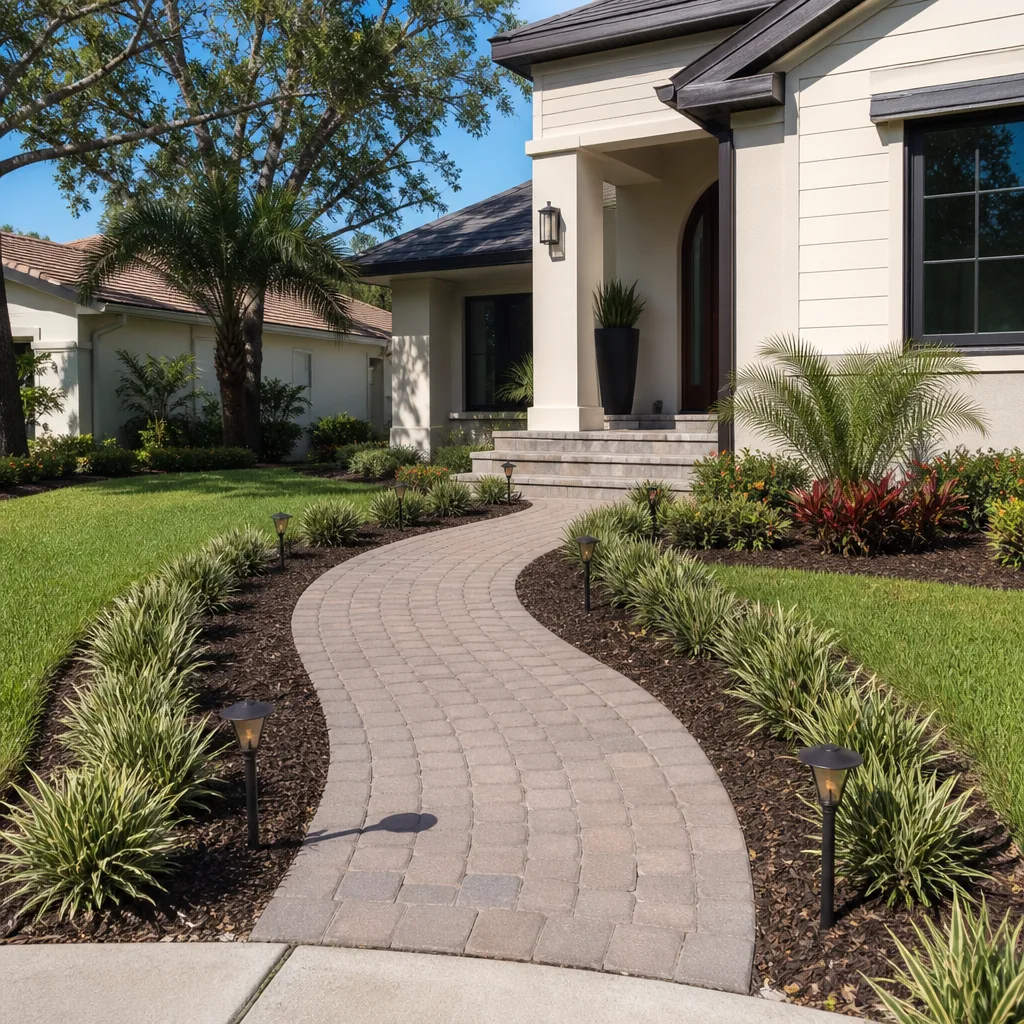
The material side has genuine depth. Working through established paver ecosystems lets you specify units you already trust rather than taking whatever a single supplier happens to carry. Brands like Tremron, Belgard, Unilock, and Techo-Bloc give access to coordinated colors and styles across a whole exterior – so your driveway, walkway, and patio read as one designed surface instead of a patchwork. Because Construction Whitney works across a broad roster of name-brand material partners, the paver selection is driven by your spec and the engineering, not by a limited inventory. That’s the difference between “here’s your paver” and “here are the systems that will hold up here, choose the one you want.”
Done right, interlocking pavers are the surface that best matches Whitney’s climate: they flex with thermal movement instead of fighting it, they’re repairable unit by unit, and they carry design value that resale buyers notice.
What Drives the Cost of a Whitney Driveway Project
We don’t quote a price sight unseen, and any contractor who does is guessing about the most expensive variable: your subgrade. Driveway cost in Whitney is set per job by a written estimate, and the range depends on several interlocking factors. Here’s what actually moves the number.
- Base excavation and caliche handling. Where caliche runs thick, more excavation and base replacement is required, and that’s often the largest cost driver.
- Square footage and layout. A straight single-car drive is one thing; a widened, curved, or turnaround layout adds area, edge detail, and cutting.
- Surface material and thickness. Pavers and poured concrete sit in different price bands, and within each, thickness and finish change the total.
- Drainage work. Any added grading, drainage channels, or infiltration design is part of the engineering, not a nice-to-have.
- Edging, restraints, and transitions. Where the drive meets the street, the yard, and the house are all detail zones.
- Permits and HOA approvals. These carry time and cost, and skipping them costs more later.
A written, line-item estimate is the only honest way to price a driveway, because it shows you what’s underground and why. Ask any contractor to itemize the base and drainage separately from the surface. If a bid won’t, that’s your answer.
Keeping a Desert Driveway Sound Over Time
Desert doesn’t mean low-maintenance. It means different maintenance. A Whitney driveway needs a little care aimed at the local forces: UV, thermal movement, and dust.
- Watch the joints and edges. On pavers, refill joint sand as it settles – it’s what locks the system. On concrete, keep control joints and edge seals in good shape.
- Seal asphalt on a desert schedule. Sun ages binders fast, so don’t stretch the interval you’d use elsewhere.
- Clear drainage paths. After a storm, make sure water still moves where it’s supposed to instead of pooling at a low spot against the house.
- Fix small settling early. A slightly sunken paver or a hairline crack is cheap now and a base problem later. Unit pavers are repairable precisely because you can lift and reset one edge.
- Manage dust and weeds on gravel. Gravel drives need replenishment and edge upkeep; falling behind turns a tidy surface into a maintenance chore.
None of this is hard. It’s just aimed at the right things. A driveway isn’t something to reset; it’s something to keep on top of sparingly.
Common Mistakes to Avoid
- Skipping caliche assessment. Treating desert subgrade like loose soil and laying a thin base over a hard caliche shelf is the fastest route to premature failure. Get the subgrade evaluated before design.
- Choosing surface before base. Picking pavers or concrete first and letting the base follow is backwards. The base design governs everything.
- Ignoring HOA and county rules until after delivery. Material, width, and drainage approvals need to happen before you order, or you may be reworking a finished driveway.
- Under-designing drainage. In a place that gets rain in concentrated bursts, a driveway that sheds water toward the foundation or a neighbor’s lot creates problems that outlast the pavement.
- Letting one trade design in isolation. A driveway designed without regard to fencing, grading, or a future addition often needs reworking. Coordinating the exterior as one system avoids it.
- Taking the lowest bid without an itemized base. A low number with no caliche handling or lift compaction is a number for a driveway that won’t last.
- Deferring small repairs. A little joint sand, a slightly settled paver, or a hairline crack ignored for a few seasons can turn into a base repair.
See the difference
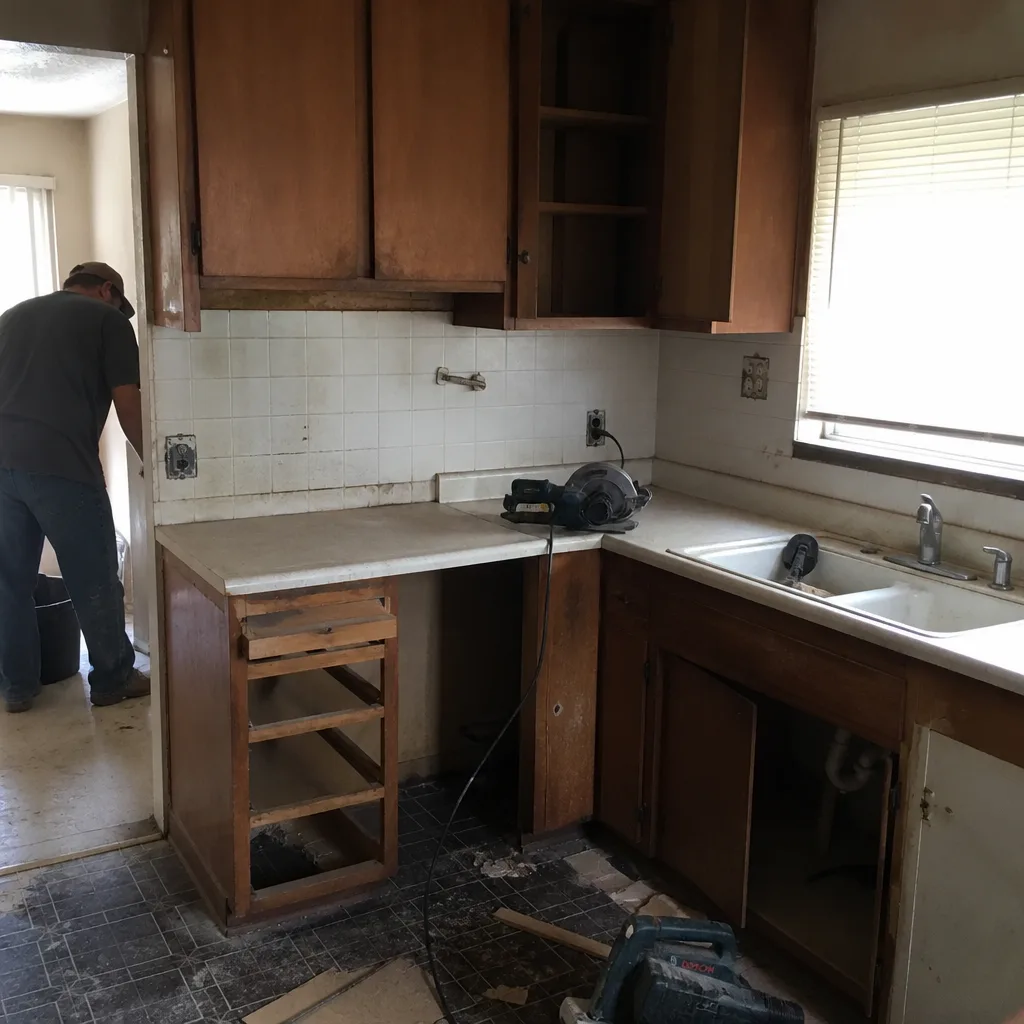 Before
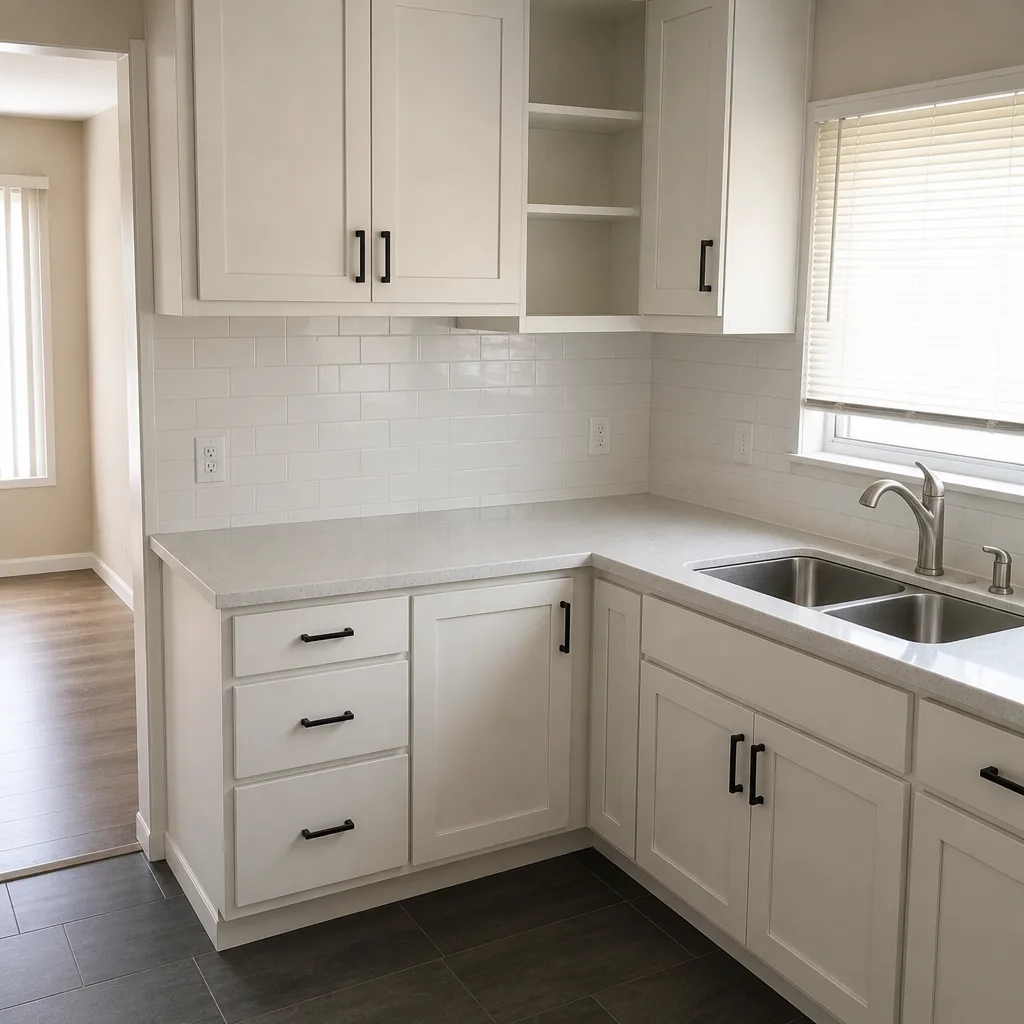 After
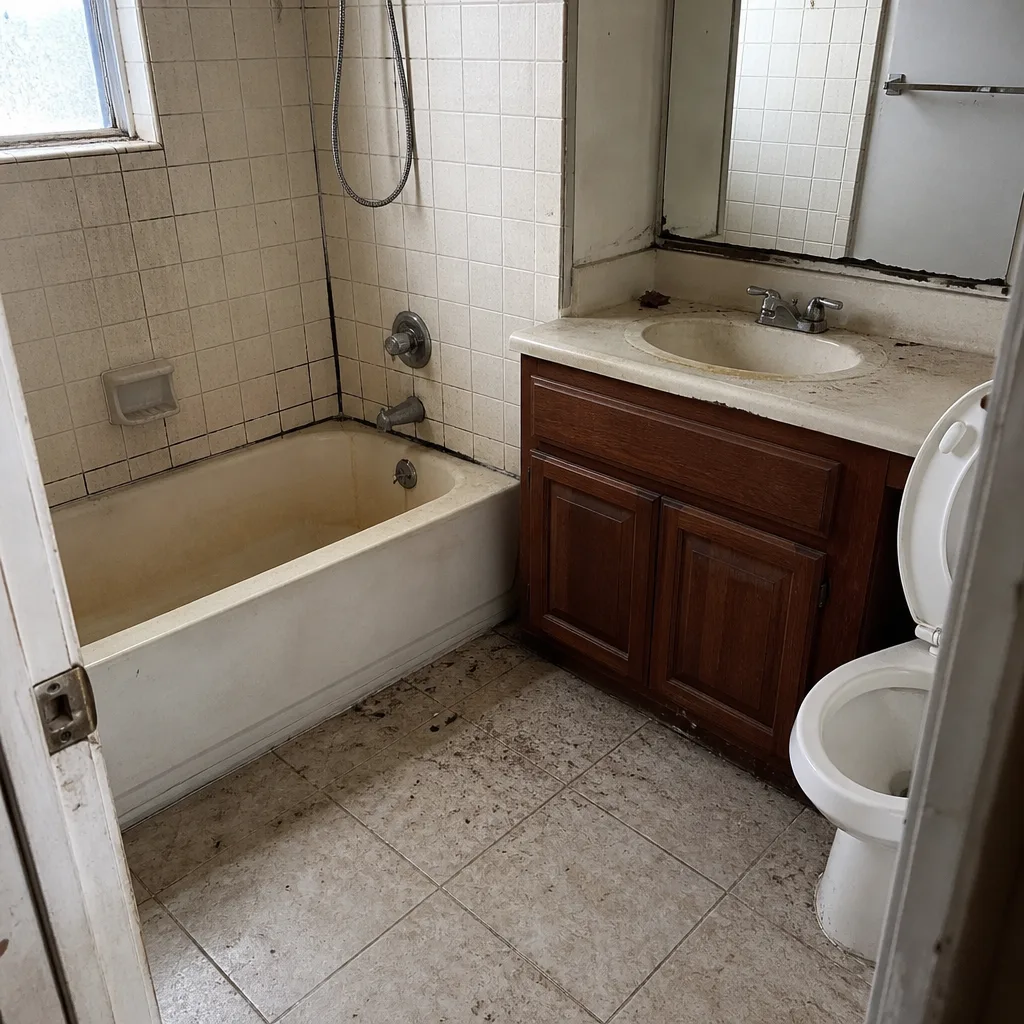 Before
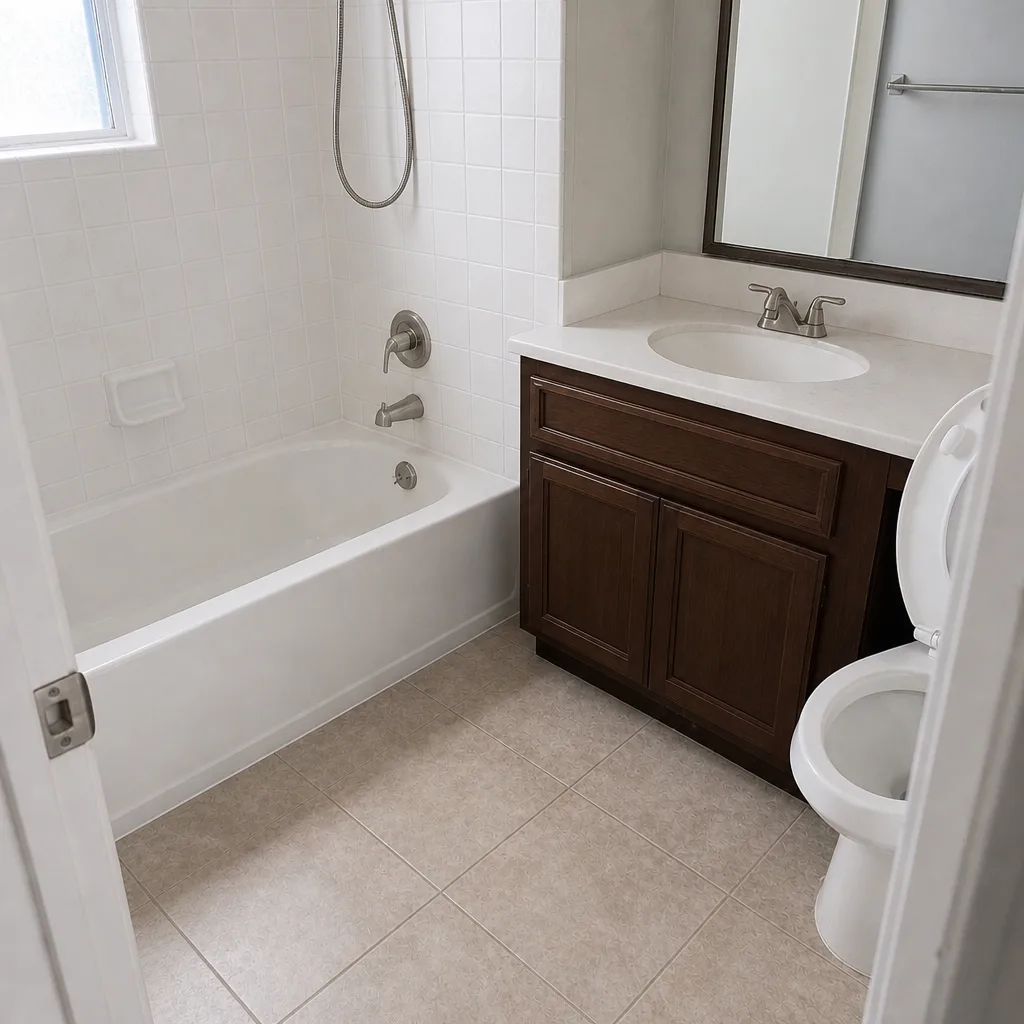 After
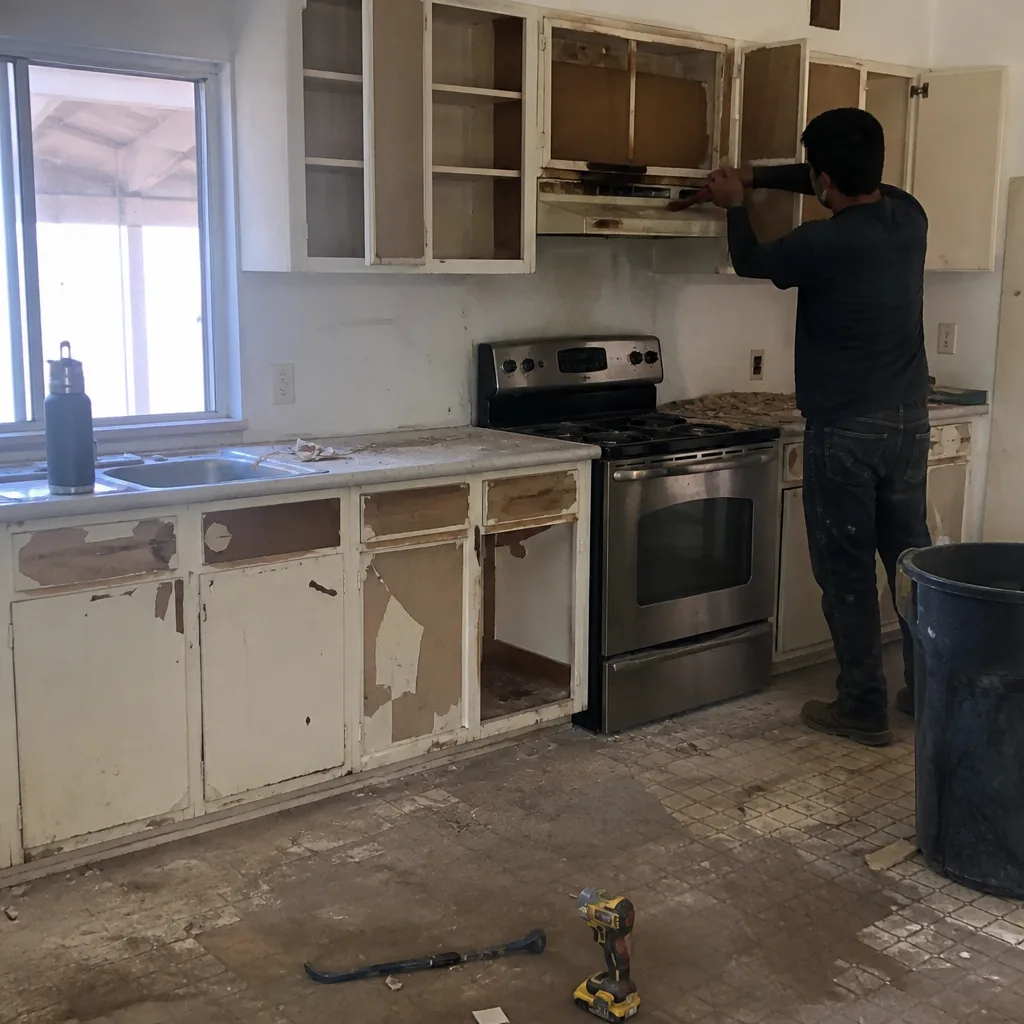 Before
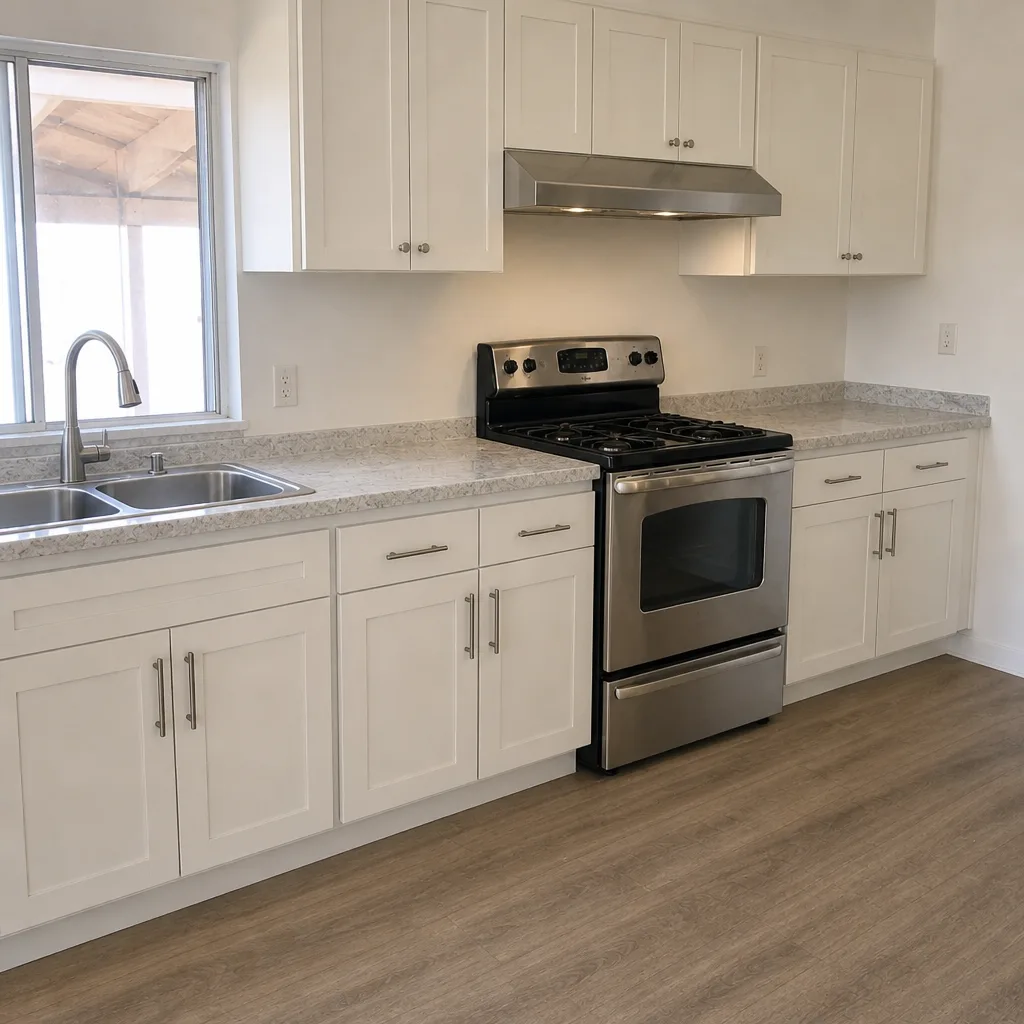 After
When to Call a Professional
Some driveway care is yours to handle. Some of it needs a trained eye and the right equipment. Call a professional when you see repeated cracking along the same lines, pavers that rock or have sunk noticeably, water pooling against the house or in a low spot that won’t drain, a drive meeting the street apron badly, or any project involving a new base, widening, or material change. Caliche assessment, compaction, and drainage design are exactly the parts that need expert judgment, and they’re the parts you can’t inspect after the fact. Your HOA and permit situation is also a reason to bring in a pro early, since the approval path affects the whole plan. Construction Whitney offers free estimates in Whitney – call (844) 761-9669. Our technicians have up to 11 years of experience, and every project starts with a written, itemized estimate so you can see the base, the drainage, and the surface priced separately.
Frequently Asked Questions
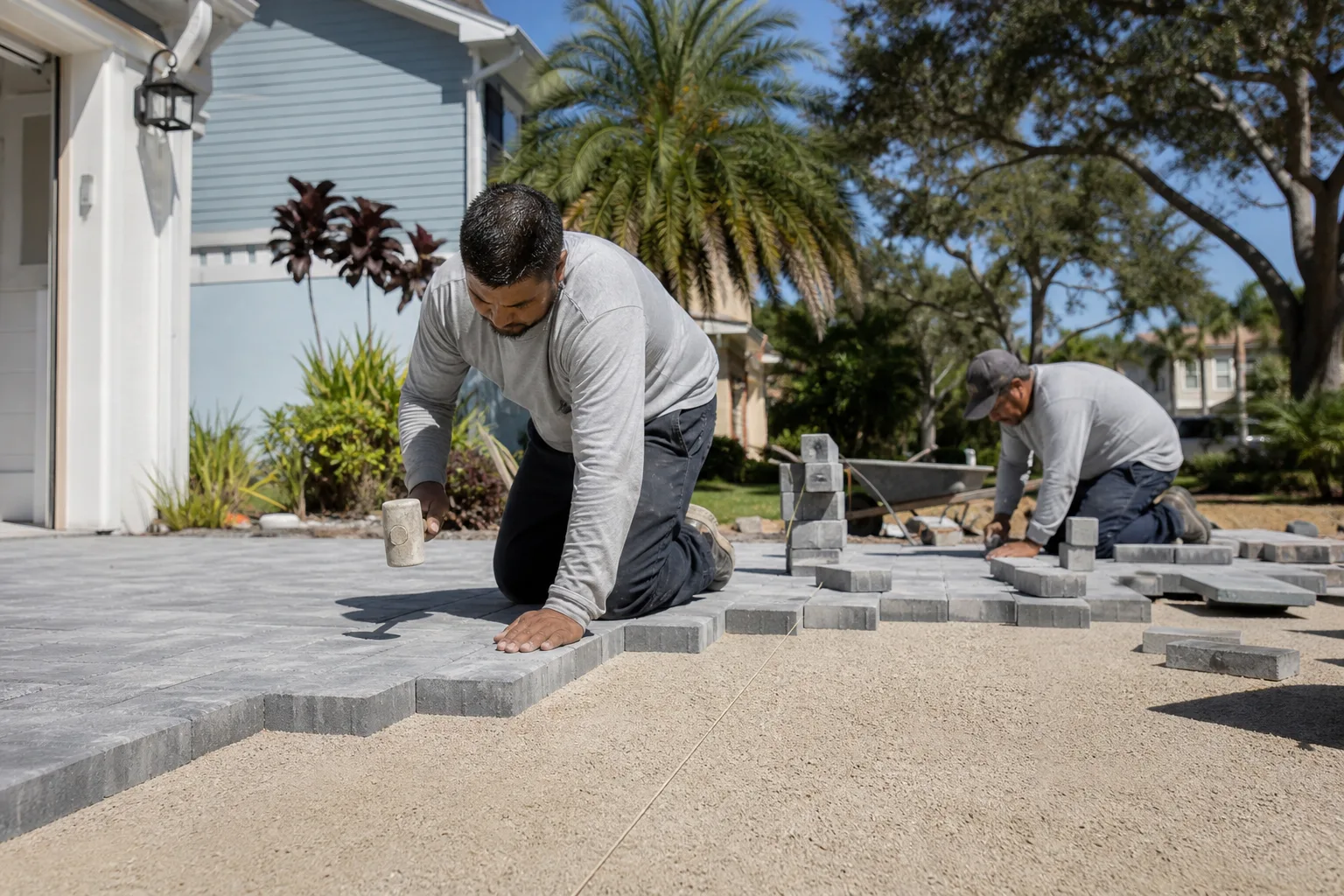
Interlocking pavers generally hold up best in Whitney’s climate because they flex with thermal expansion instead of cracking, and damaged units can be replaced individually. Properly designed concrete is also durable, and asphalt is a solid option with more UV sealer maintenance. In every case, lifespan depends more on base preparation over caliche soil than on the surface material. Call (844) 761-9669 for an exact, itemized quote – estimates are free.
We price every driveway per job by a written estimate, because the biggest cost variable is what’s underground – how much caliche must be handled and how deep the base must go – and that can only be assessed on site. Rather than guess a number, we itemize base work, drainage, and surface separately so you can see exactly what you’re paying for. Call (844) 761-9669 to schedule a free estimate.
Often yes, on both counts. Clark County requirements can apply where the driveway meets the right-of-way, and most HOAs govern material, color, width, and drainage direction. Confirm the rules with your HOA and the county before design or ordering materials, since a driveway that ignores them may be ordered reworked. We build the permit and approval step into the plan from the start. Call (844) 761-9669 to start planning.
Not on a properly scoped job – the written, line-item estimate sets the final price. The one thing that can genuinely change a driveway budget is discovering more caliche than the site visit suggested, which is why we assess subgrade up front rather than assume. When the base and drainage are itemized honestly, there are no surprises mid-project. Call (844) 761-9669 for an estimate you can plan around.
Usually because the base, not the surface, was the weak point. A concrete slab in Whitney can move roughly 3/8 of an inch across a year from thermal expansion, and when that movement sits on a poorly prepared base over caliche, the surface absorbs the stress and cracks. Correct base compaction and drainage design are what prevent it. If your driveway is already showing repeated cracking, call (844) 761-9669 for a free assessment.
It depends on square footage, how much caliche needs handling, drainage work, and the approval timeline – a straight drive with easy subgrade moves faster than a widened, curved layout or one awaiting HOA sign-off. Because we coordinate the driveway with related exterior work like fencing under one contract, the overall schedule can be planned together instead of layered. Call (844) 761-9669 to schedule your free estimate and get a clear timeline.
The Bottom Line
A Whitney driveway is an engineered system, not a surface choice. The base over caliche, the compaction depth, the drainage grade, and the HOA and Clark County rules all come before the material you see – and they decide whether the driveway looks the same in ten years. Pavers best match our thermal swings and stay repairable; concrete and asphalt are durable with the right design and maintenance; gravel suits specific low-traffic cases. Get the base and drainage right, itemize the estimate so you can see what’s underground, and coordinate the exterior under one contract. That’s the approach that lasts in the Mojave. From the driveway to the roofline, Construction Whitney can carry the whole exterior in a single scope, and our technicians have up to 11 years of experience.
Ready to plan your driveway? Call (844) 761-9669 for a free estimate. We answer 24/7. Fast dispatch from 7am to 7pm, Sunday through Friday.
Written by the team at Construction Whitney.